
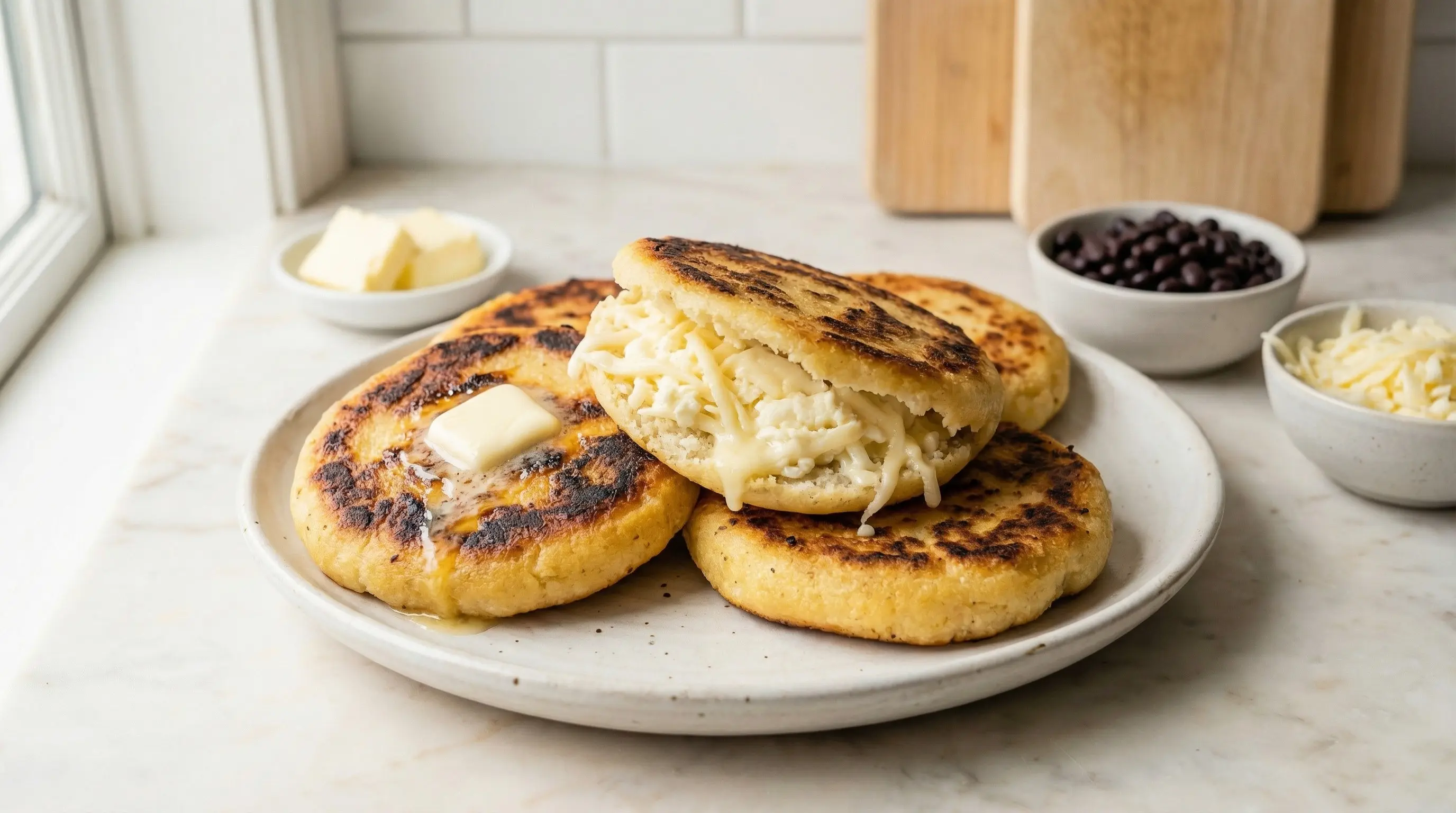
Arepa
Learn how to make authentic arepas, the beloved Venezuelan and Colombian corn cakes that are crispy outside and tender inside. These versatile flatbreads are perfect stuffed, topped, or served as a side!
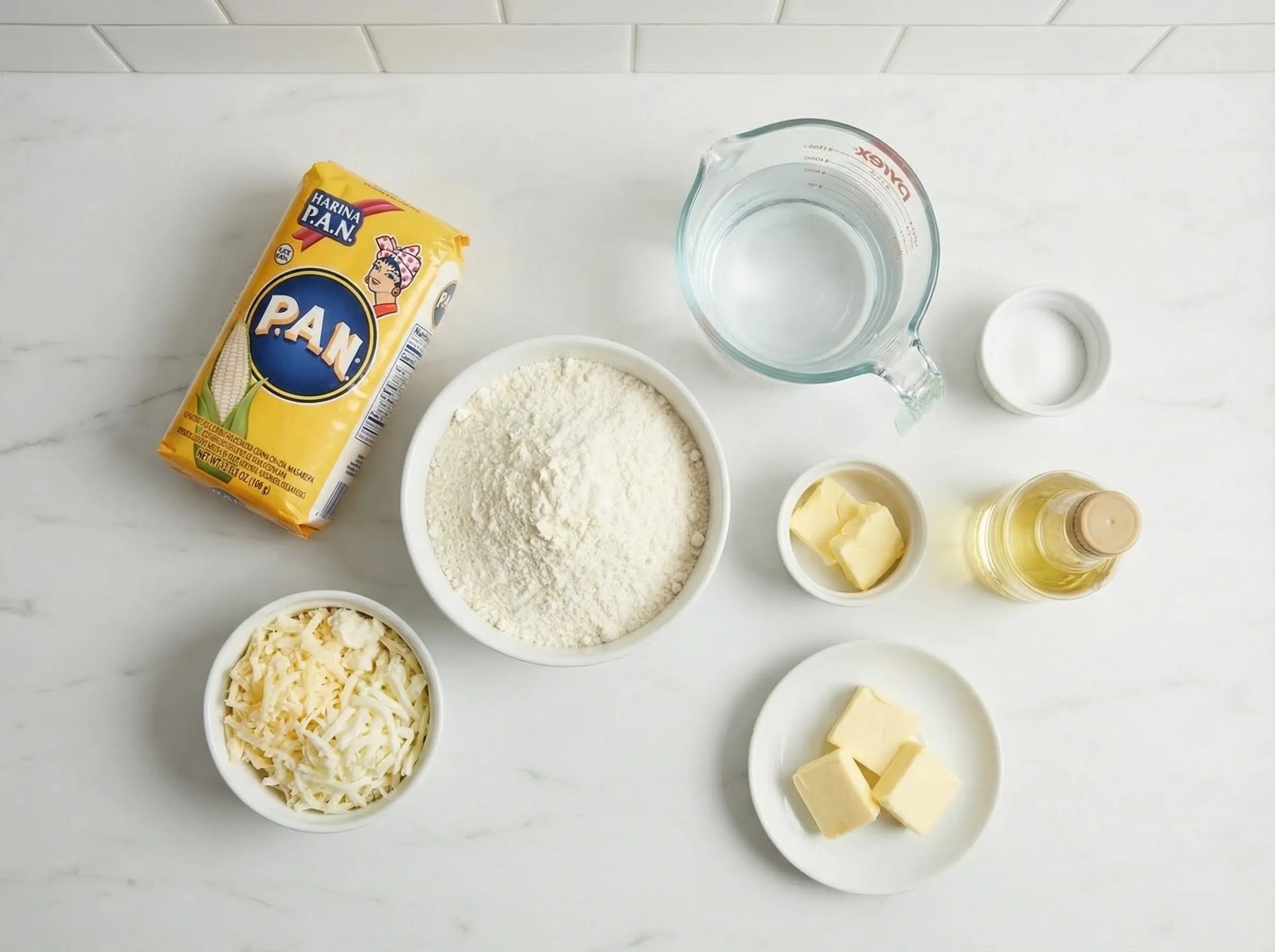
Ingredients
The Story
Arepas are the soul food of Venezuela and Colombia, humble corn cakes that have nourished people in this region for thousands of years. Archaeological evidence suggests that indigenous peoples in what is now Venezuela and Colombia were cultivating corn and making arepas long before European contact - some estimates place their origin at over 3,000 years ago. The name "arepa" is believed to derive from the word "erepa," meaning corn in the language of the Cumanagoto people, an indigenous group from northeastern Venezuela. For millennia, these corn cakes have been prepared in essentially the same way: corn ground into dough, formed into flat rounds, and cooked over fire until golden and fragrant. Today, arepas hold an almost sacred place in Venezuelan and Colombian cuisine, though each country has developed its own distinct traditions. Venezuelan arepas are typically thicker and are split open and stuffed with an astonishing variety of fillings - from the iconic reina pepiada (chicken and avocado salad) to carne mechada (shredded beef) to domino (black beans and white cheese). Colombian arepas tend to be thinner, often topped rather than stuffed, and vary dramatically by region - the arepa de choclo is sweet, made from fresh corn, while arepa de huevo from the Caribbean coast is stuffed with an egg and deep-fried. Despite these differences, both nations claim the arepa as their national dish, and the friendly rivalry over its true home adds to its cultural significance. What makes arepas so beloved is their perfect simplicity and infinite versatility. The dough is made from just three ingredients: pre-cooked corn flour (masarepa), water, and salt. Yet from this simple foundation emerges a flatbread with extraordinary character - a crispy, golden exterior that gives way to a tender, slightly sweet interior with the unmistakable flavor of corn. The neutral taste makes arepas the perfect vehicle for virtually any filling or topping, from simple butter and cheese to elaborate meat preparations. Whether eaten for breakfast, lunch, dinner, or as a late-night snack from a street vendor, arepas represent comfort, home, and tradition. For Venezuelans and Colombians living abroad, making arepas connects them to their roots and brings the taste of home to wherever they may be.
Instructions
Step 1
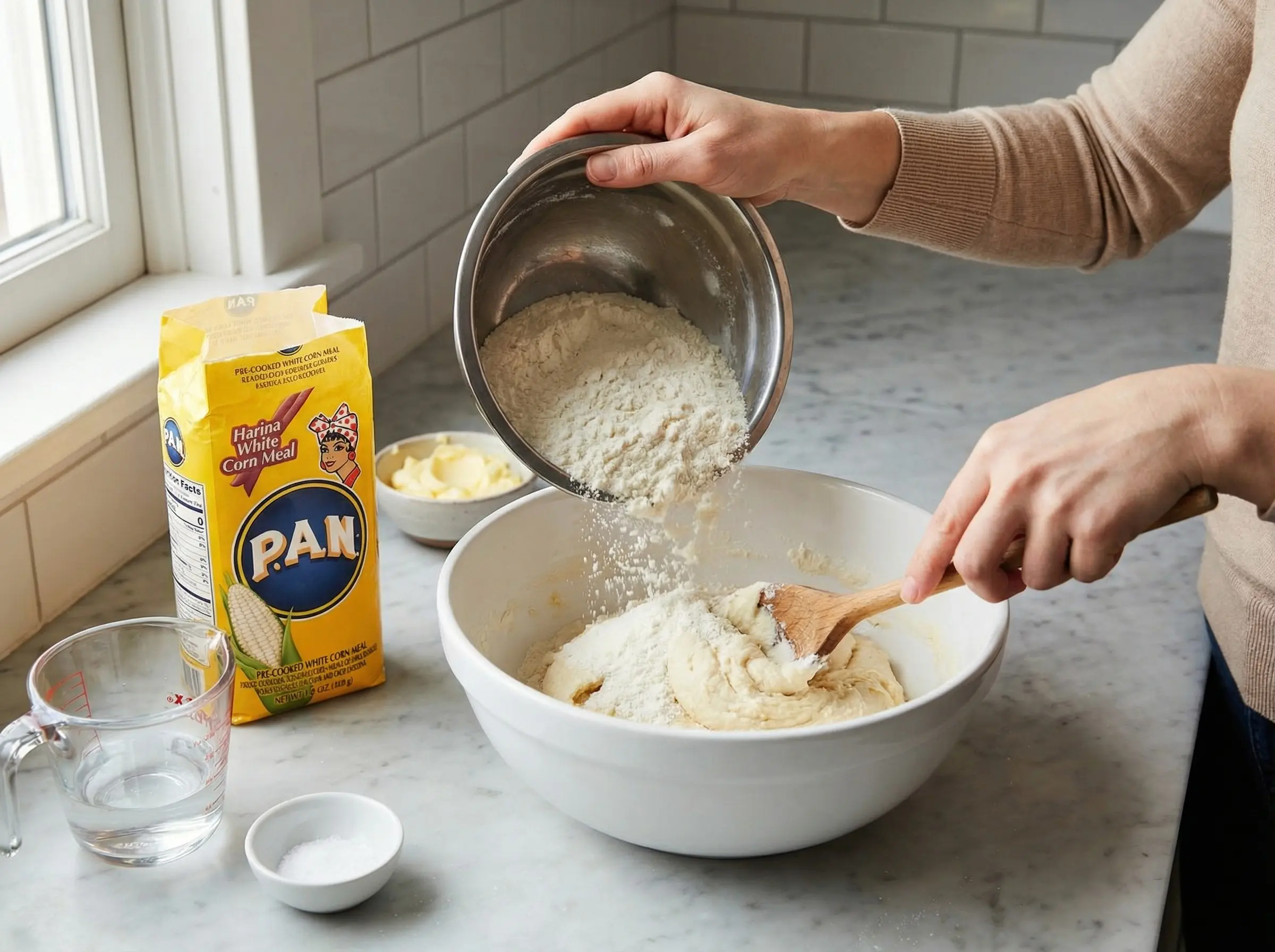
Make the arepa dough. In a large bowl, combine the warm water and salt, stirring until the salt dissolves. The water should be warm but not hot - about the temperature of a comfortable bath. Gradually add the masarepa (pre-cooked corn flour) while stirring with your other hand or a wooden spoon. Mix until a soft dough begins to form. Add the vegetable oil or butter if using - this makes the arepas slightly richer and helps prevent cracking. The dough should come together without being sticky or crumbly.
Step 2
Knead the dough in the bowl for 2-3 minutes until smooth and uniform with no dry spots or lumps. The consistency is crucial: the dough should be moist and pliable like playdough, holding together easily without cracking at the edges when pressed. If the dough cracks when you form it, it is too dry - add water a tablespoon at a time, kneading after each addition. If it sticks to your hands, it is too wet - add a bit more masarepa. Let the dough rest for 5 minutes - this allows the flour to fully hydrate and makes the dough easier to shape.
Step 3
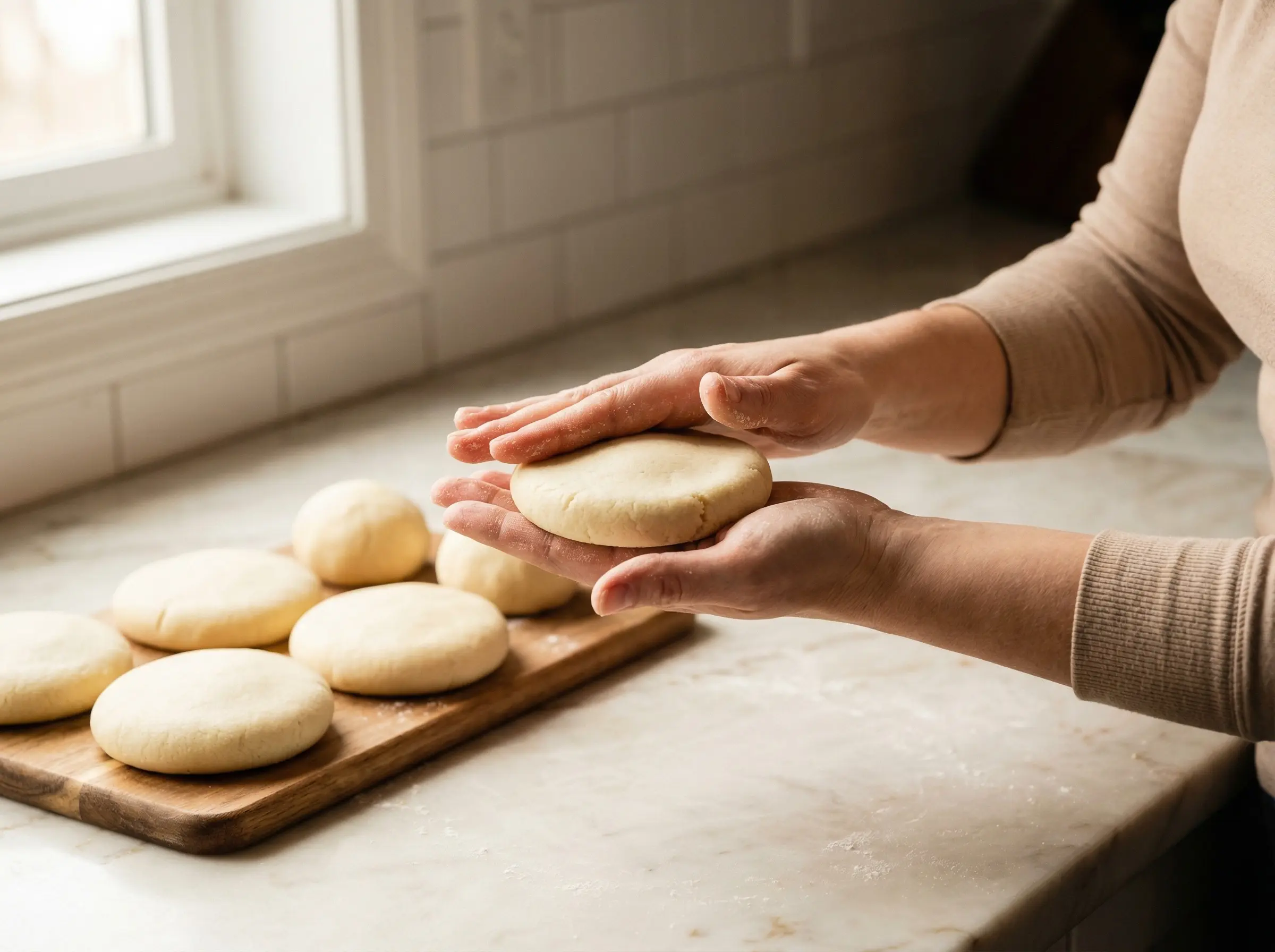
Divide the dough into 6-8 equal portions, depending on how large you want your arepas. Roll each portion into a smooth ball between your palms. Flatten each ball into a disc about 3-4 inches in diameter and 1/2 to 3/4 inch thick for Venezuelan-style arepas (thinner for Colombian-style). Keep the edges smooth and the thickness even - cracks at the edges will cause the arepa to break apart during cooking. If cracks appear, wet your fingers slightly and smooth them out. The discs should be slightly thicker in the center than at the edges to ensure even cooking.
Step 4
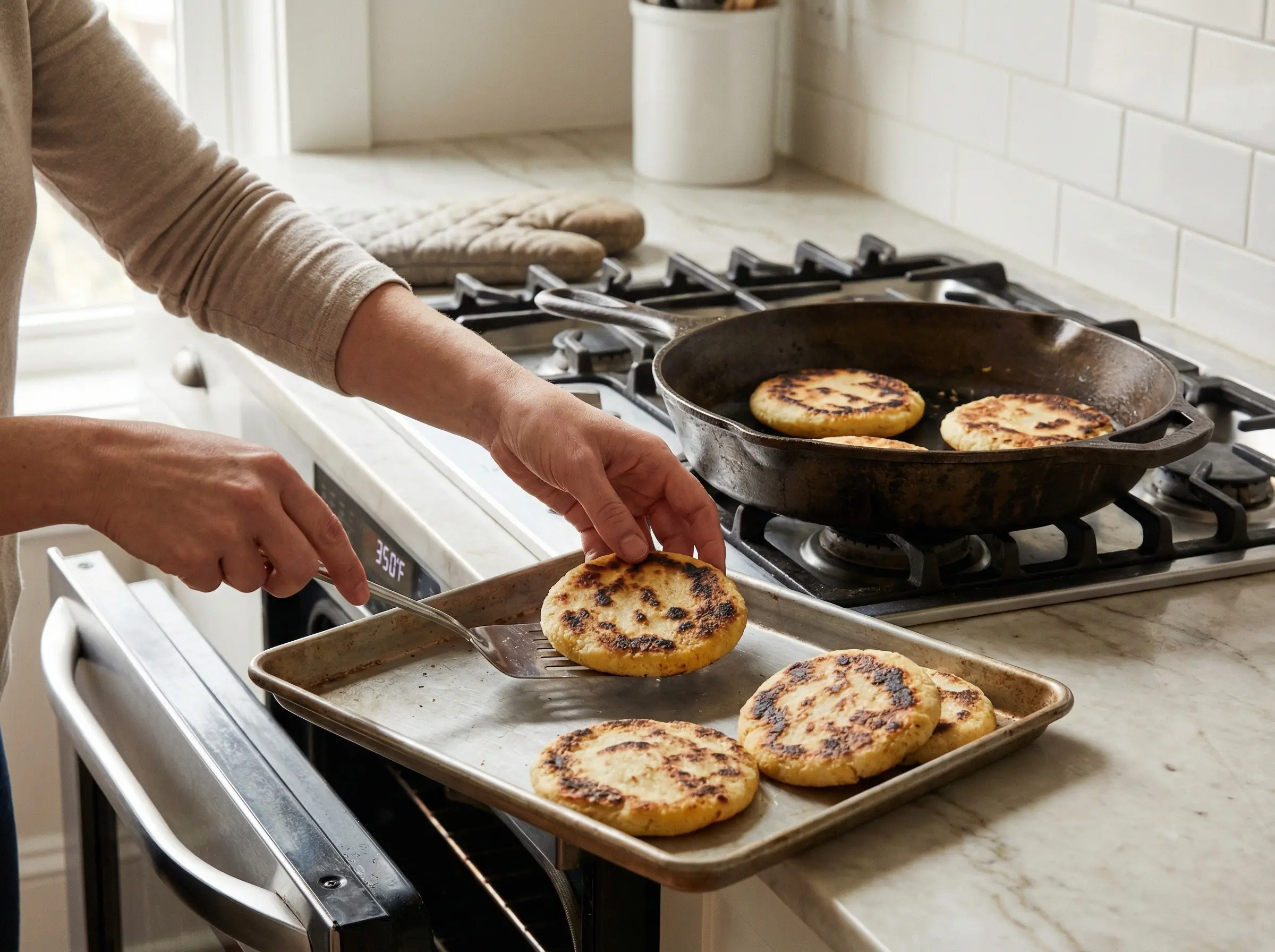
Cook the arepas using the traditional two-step method for the best results. First, heat a dry skillet, griddle, or cast-iron pan over medium heat. Place the arepas in the pan and cook for 5-6 minutes per side until a golden-brown crust forms and the arepa releases easily from the pan. You should hear a slight hollow sound when you tap the arepa. The exterior should be dry and lightly charred in spots, with a firm crust. Do not move the arepas too soon - let them develop their crust before flipping.
Step 5
For the second step, transfer the skillet-cooked arepas to a preheated 350 degrees F oven and bake for 15-20 minutes until they puff slightly and sound hollow when tapped - this indicates the interior is fully cooked and slightly airy. Alternatively, if you do not want to use the oven, continue cooking on the stovetop over low heat, flipping occasionally, for another 10-15 minutes until cooked through. The arepas are done when they feel light for their size and the exterior is crispy. A properly cooked arepa should have a satisfying crunch when you bite through the crust.
Step 6
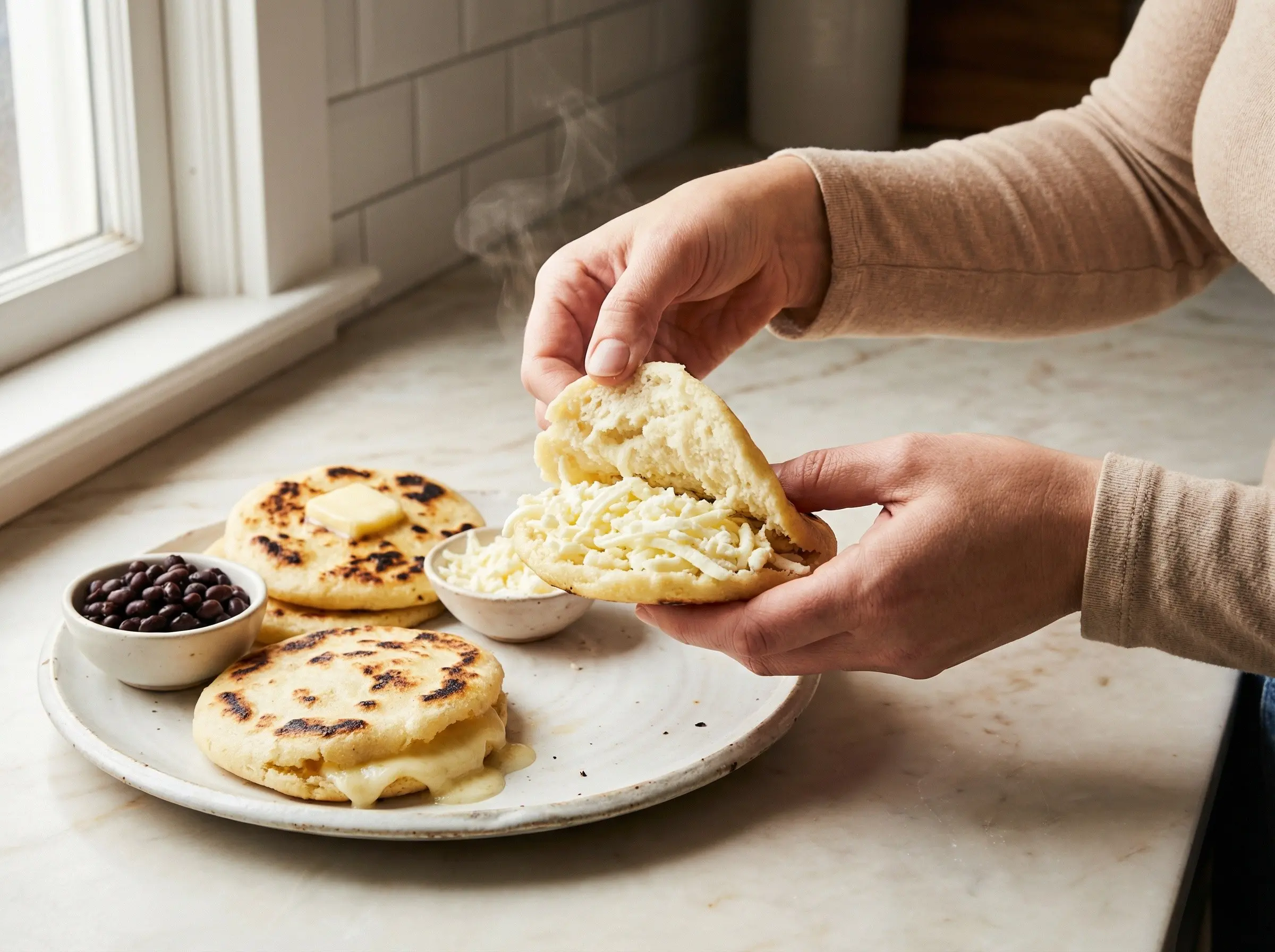
Serve the arepas hot. For Venezuelan-style stuffed arepas, slice each one open horizontally like a pita pocket (or cut a slit in the side) while still warm and stuff with your filling of choice. Classic fillings include reina pepiada (chicken salad with avocado and mayo), carne mechada (shredded beef), pabellon (shredded beef, black beans, and plantains), domino (black beans and white cheese), or simply butter and queso fresco. For Colombian-style, serve the arepas topped with butter, cheese, hogao (tomato-onion sauce), or fried egg. Arepas can also be served as a simple side dish alongside soups, stews, or grilled meats. Leftover arepas can be refrigerated and reheated in a dry pan, toaster oven, or oven - they crisp up beautifully when rewarmed. Arepas are traditionally eaten for breakfast, but they are equally appropriate for any meal or as a satisfying snack.
You Might Also Like
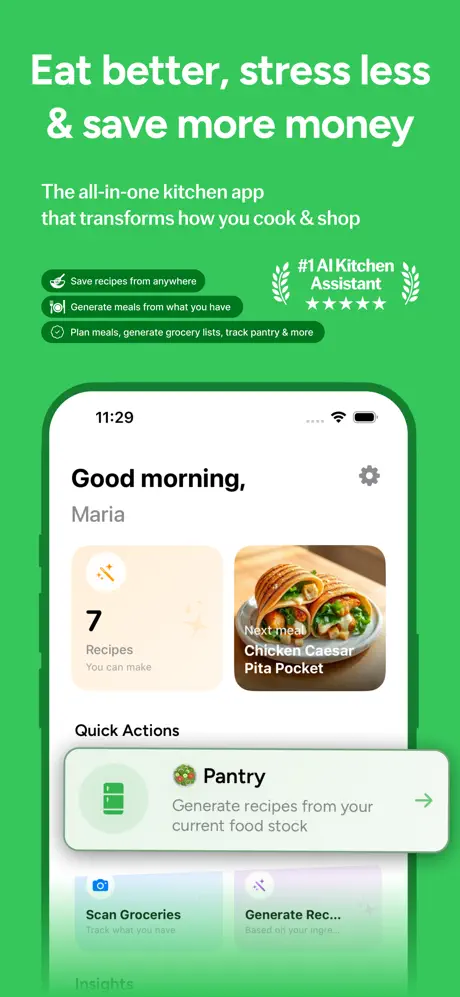
Master Your Kitchen with PantryAI
Love this recipe? Save it, shop for it, and cook it with ease. Download the PantryAI app to organize your pantry, track expirations, and discover recipes based on what you already have.

On a computer?Scan with your iPhone camera to download PantryAI.
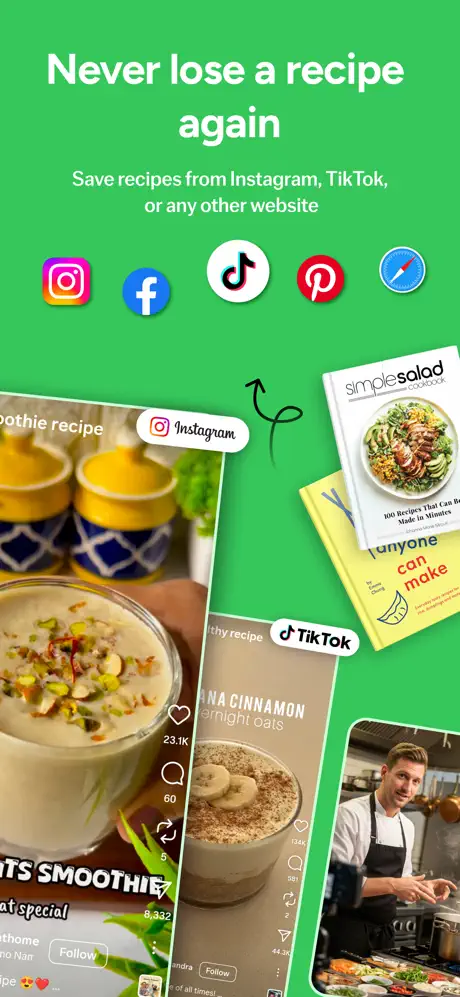
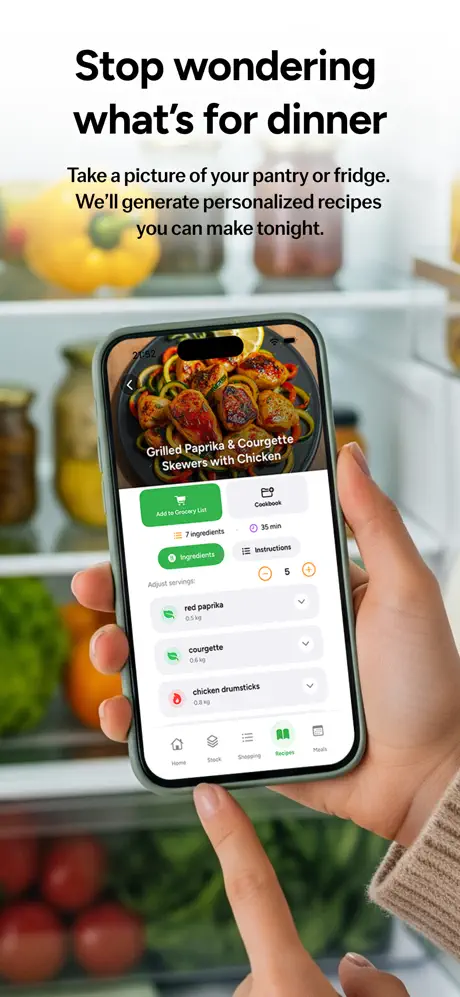

Swipe to see more screenshots