
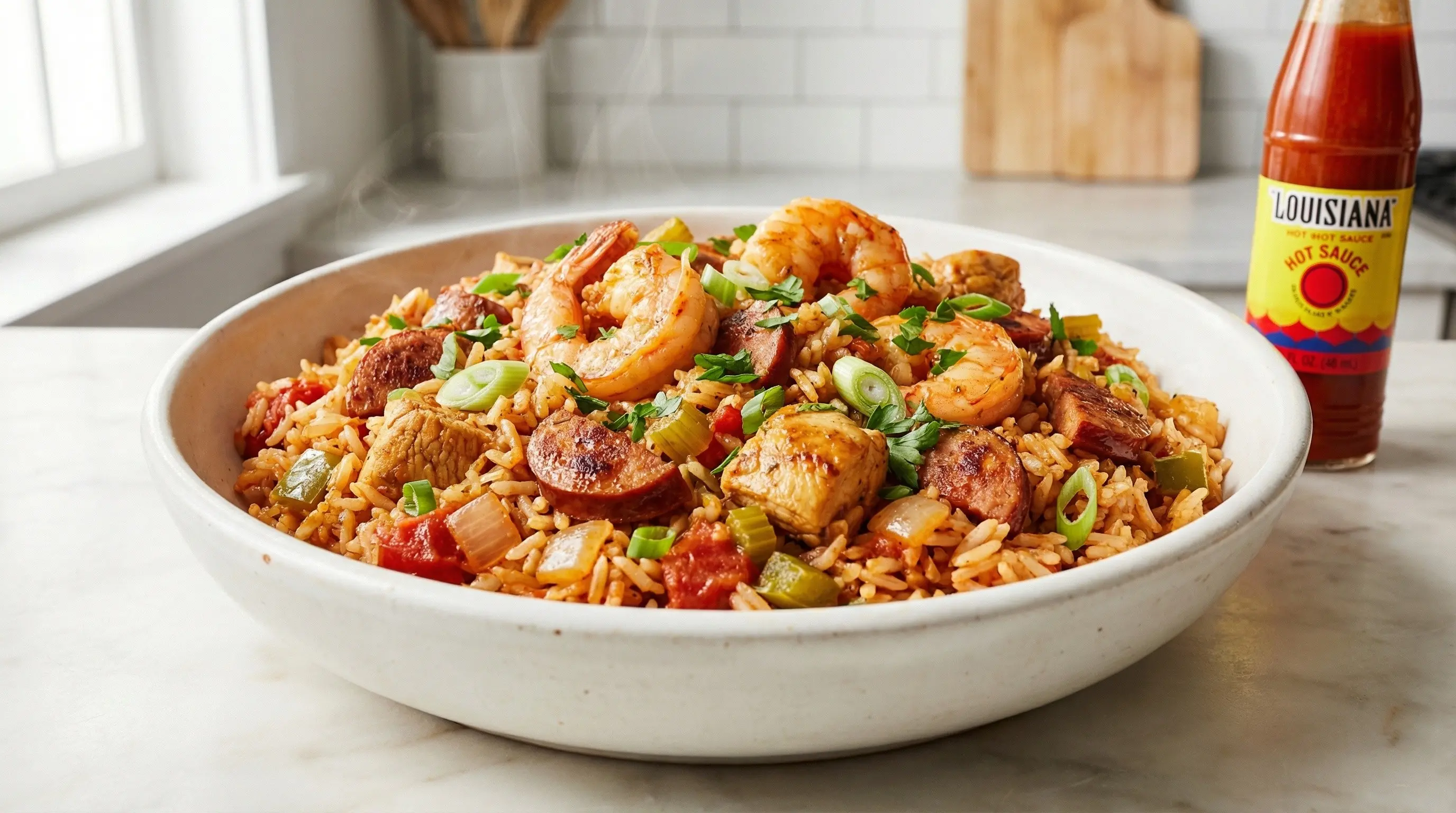
Jambalaya
Learn how to make authentic jambalaya, the iconic Louisiana one-pot dish with andouille sausage, chicken, shrimp, and rice cooked in a spicy tomato broth. This Creole classic is bold, hearty, and unforgettable!
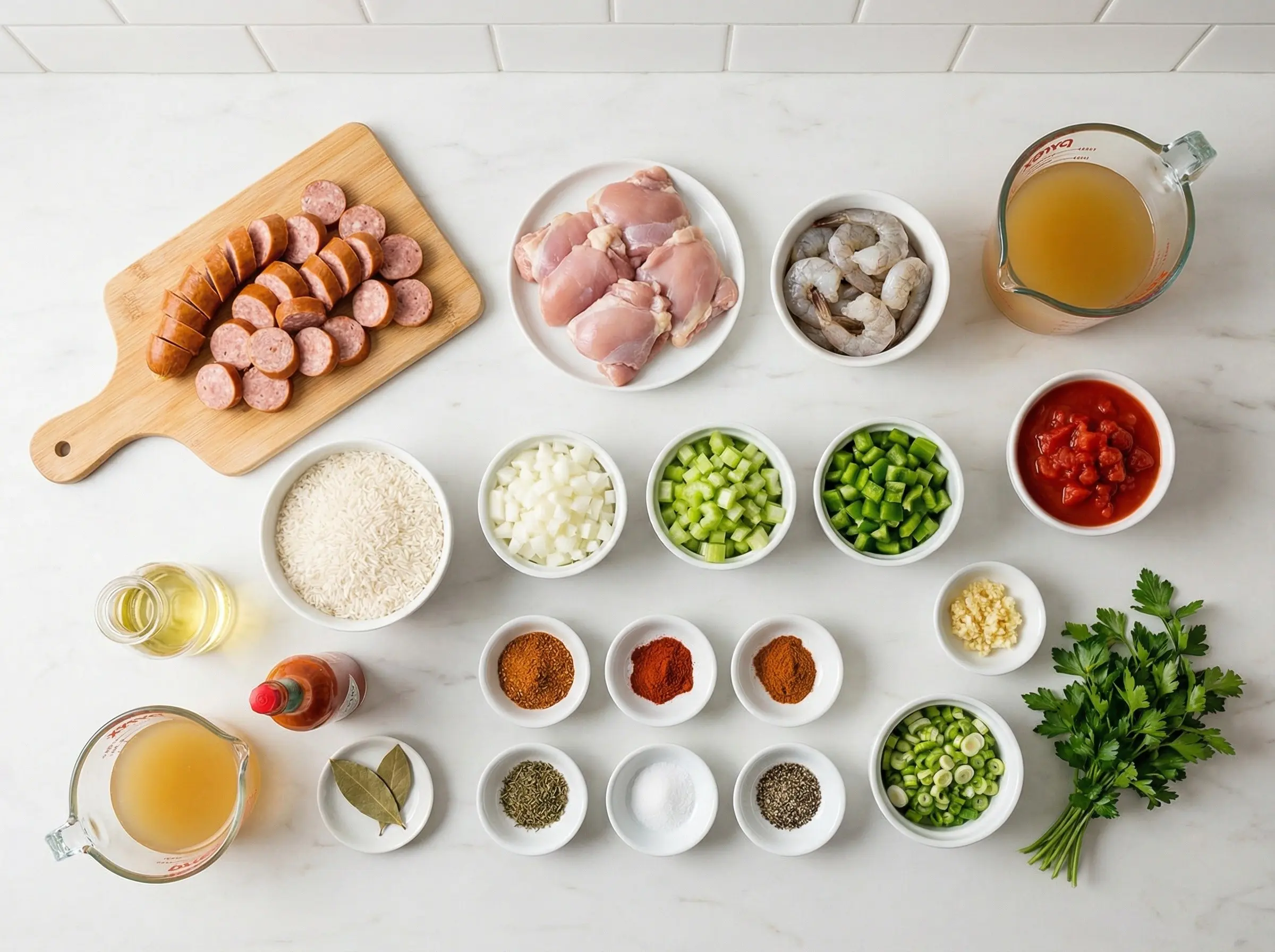
Ingredients
The Story
Jambalaya is the quintessential dish of Louisiana, a one-pot rice masterpiece that embodies the multicultural soul of the region. The dish's origins are a subject of passionate debate, but most food historians agree it evolved from Spanish paella brought to Louisiana by Spanish settlers in the 18th century. When the Spanish arrived in New Orleans, they attempted to recreate their beloved paella but lacked saffron. Resourceful as ever, they substituted tomatoes, which were plentiful in the New World, creating a dish that was recognizably related to paella yet distinctly new. The name "jambalaya" likely derives from the Spanish "jamon" (ham) combined with the African word "ya" (rice) or the Provencal French word "jambalaia" (a rice dish), reflecting the diverse influences that shaped Louisiana cuisine. There are two main styles of jambalaya that reflect Louisiana's cultural geography. Creole jambalaya (also called "red jambalaya") originated in New Orleans and includes tomatoes, giving it a red color and tangy flavor. Cajun jambalaya (also called "brown jambalaya") comes from the rural Acadiana region west of New Orleans, where tomatoes were less available, and gets its color from browning the meat and vegetables - the result is darker and smokier. Both versions share the fundamental technique of cooking rice in the same pot with meat, vegetables, and the "holy trinity" of Louisiana cooking: onion, celery, and bell pepper. The debate over which style is superior is a point of pride and occasional argument throughout Louisiana. What makes jambalaya so beloved is its bold, layered flavors and its genius as a one-pot meal. The dish begins with browning meat - traditionally andouille sausage, chicken, or both - which creates a flavorful fond on the bottom of the pot. The holy trinity and garlic are sauteed in the rendered fat, building an aromatic base. Then the rice is added along with broth (and tomatoes in the Creole version), and everything simmers together until the rice absorbs all the liquid and flavors. Shrimp, if using, is added near the end so it stays tender. The result is a dish where every grain of rice is infused with the essence of meat, spices, and the Louisiana terroir. Like all great one-pot dishes, jambalaya is greater than the sum of its parts - a complete meal that feeds a crowd and tastes even better the next day.
Instructions
Step 1
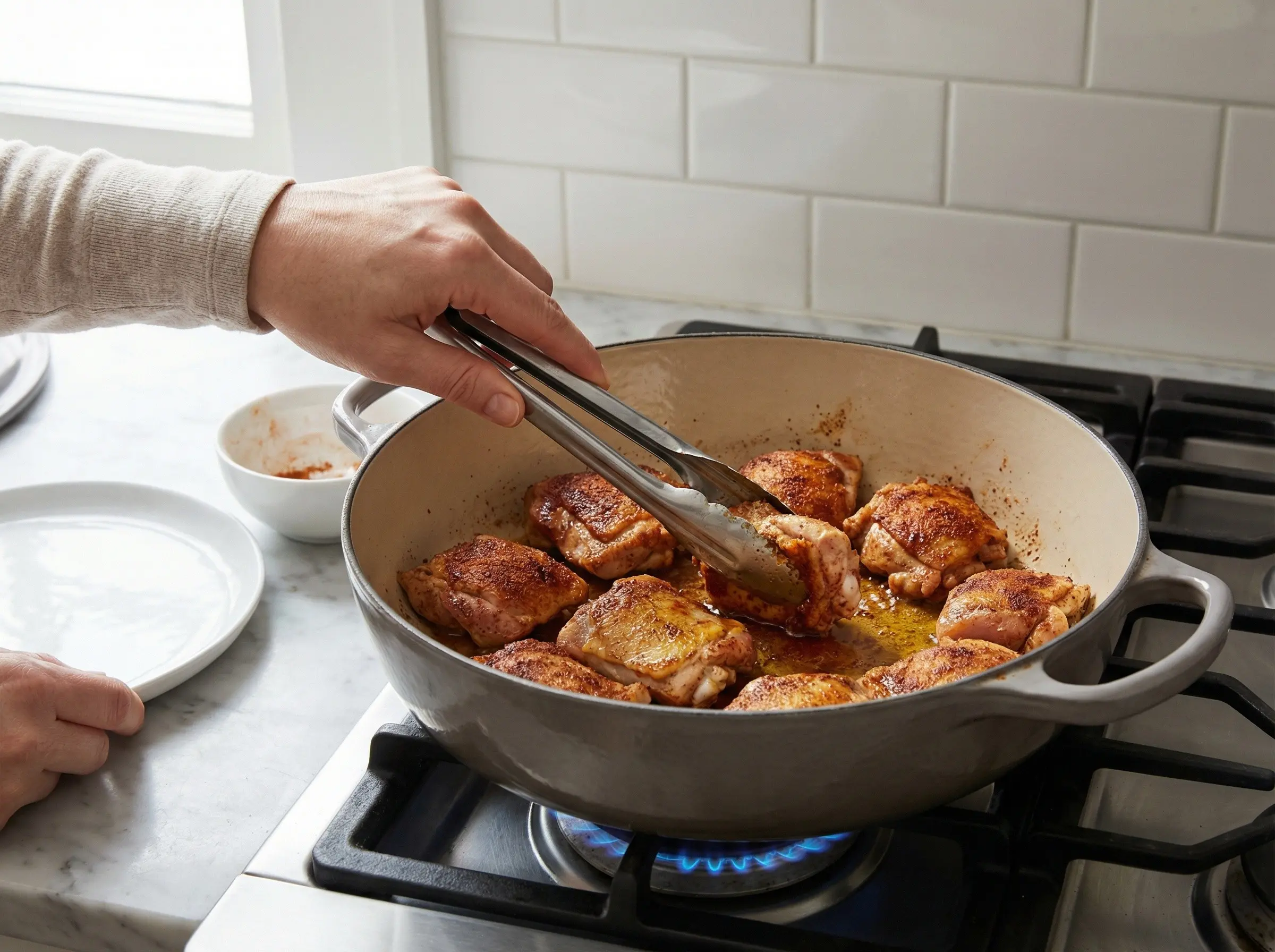
Season the chicken pieces with half of the Cajun seasoning and a pinch of salt. Heat the vegetable oil in a large Dutch oven or heavy-bottomed pot over medium-high heat. Add the seasoned chicken pieces in a single layer and cook without moving for 3-4 minutes until browned on the bottom. Flip and brown the other side for another 3 minutes. The chicken does not need to be cooked through - it will finish cooking with the rice. Transfer to a plate and set aside.
Step 2
In the same pot, add the sliced andouille sausage. Cook over medium-high heat for 4-5 minutes, stirring occasionally, until browned on both sides and slightly crispy at the edges. The sausage will render some fat that adds tremendous flavor to the dish. Transfer the sausage to the plate with the chicken. Do not wipe out the pot - the browned bits (fond) on the bottom are flavor gold.
Step 3
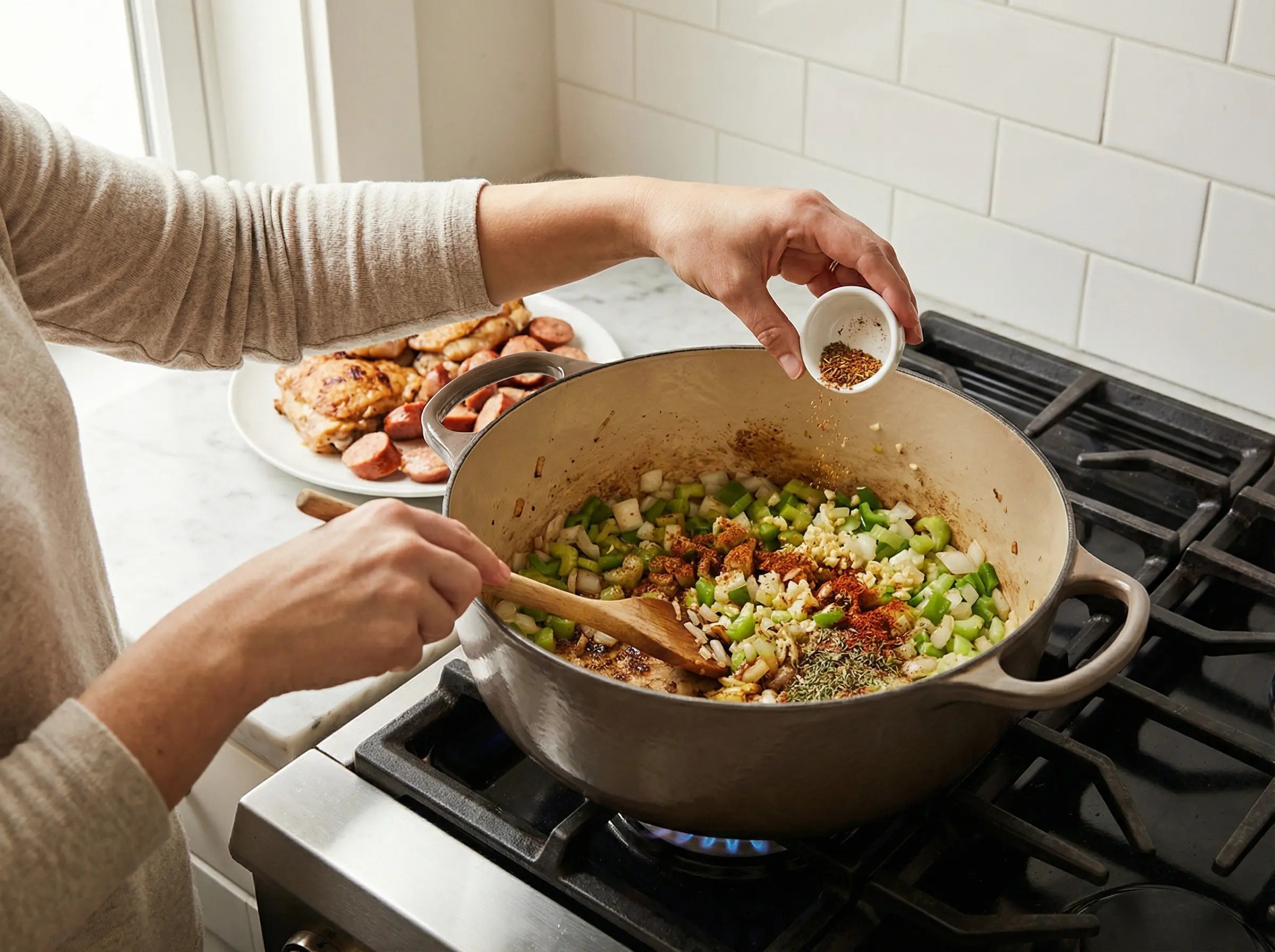
Add the holy trinity to the pot: the diced onion, celery, and bell pepper. Cook over medium heat for 6-8 minutes, stirring occasionally and scraping up the browned bits from the bottom. The vegetables should soften and become fragrant, with the onions turning translucent. Add the minced garlic and cook for another minute until fragrant. Add the remaining Cajun seasoning, smoked paprika, cayenne pepper, and dried thyme. Stir to coat the vegetables with the spices and toast for 30 seconds.
Step 4
Add the rice to the pot and stir to coat each grain with the spiced vegetable mixture. Toast the rice for 1-2 minutes, stirring constantly - this helps the grains stay separate and absorb more flavor. Pour in the diced tomatoes with their juices and the chicken broth. Add the bay leaves. Stir well, scraping up any remaining browned bits from the bottom. Return the browned chicken and andouille sausage to the pot, nestling them into the rice. Do not stir after this point - stirring releases starch and makes the rice gummy.
Step 5
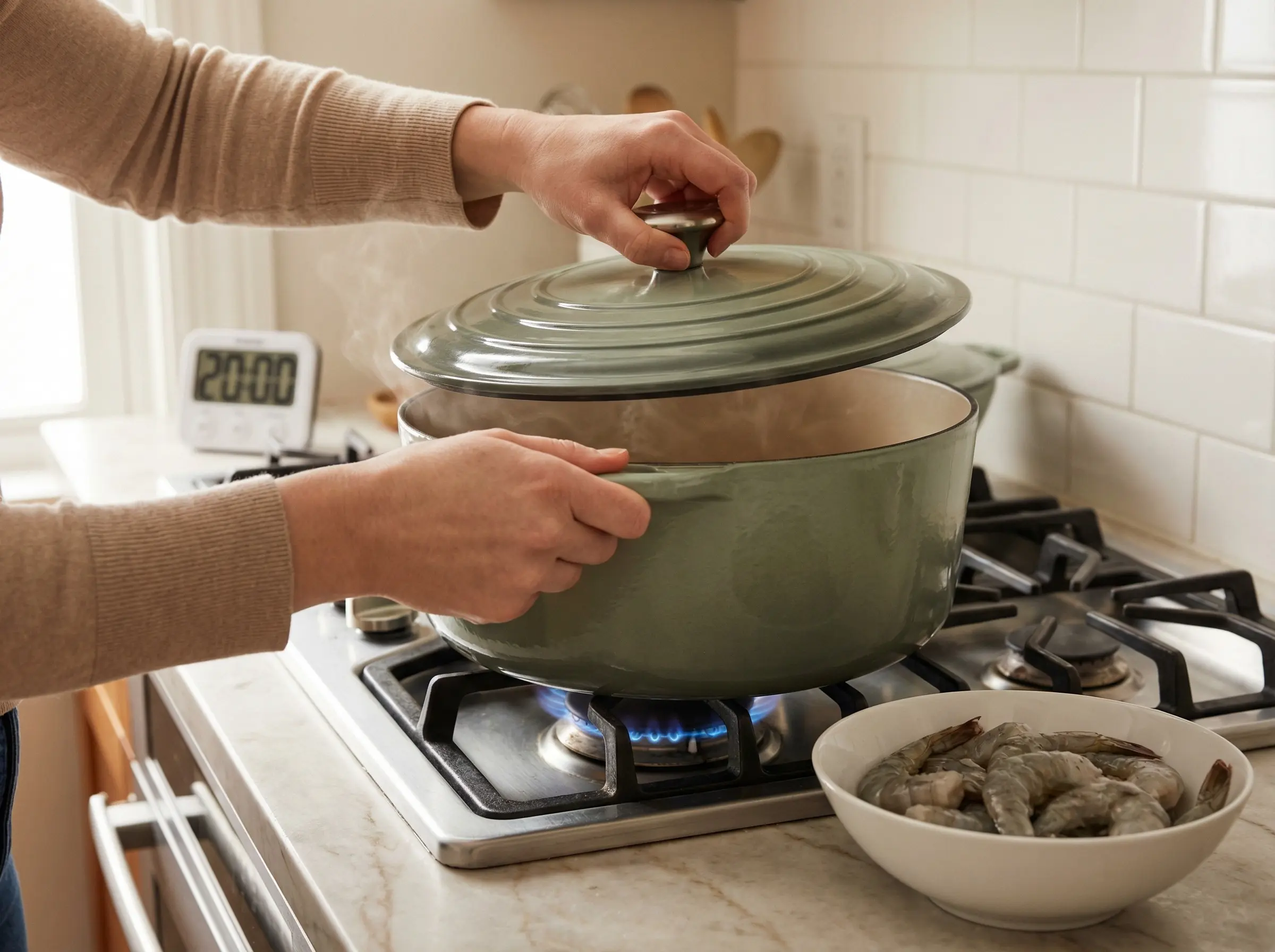
Bring the liquid to a boil, then reduce heat to low. Cover the pot tightly and cook for 20-25 minutes without lifting the lid - the rice needs to steam undisturbed to cook properly. Resist the temptation to peek. After 20 minutes, check if the liquid is absorbed and the rice is tender. If the rice is still firm, add a splash of broth, cover, and cook another 5 minutes.
Step 6
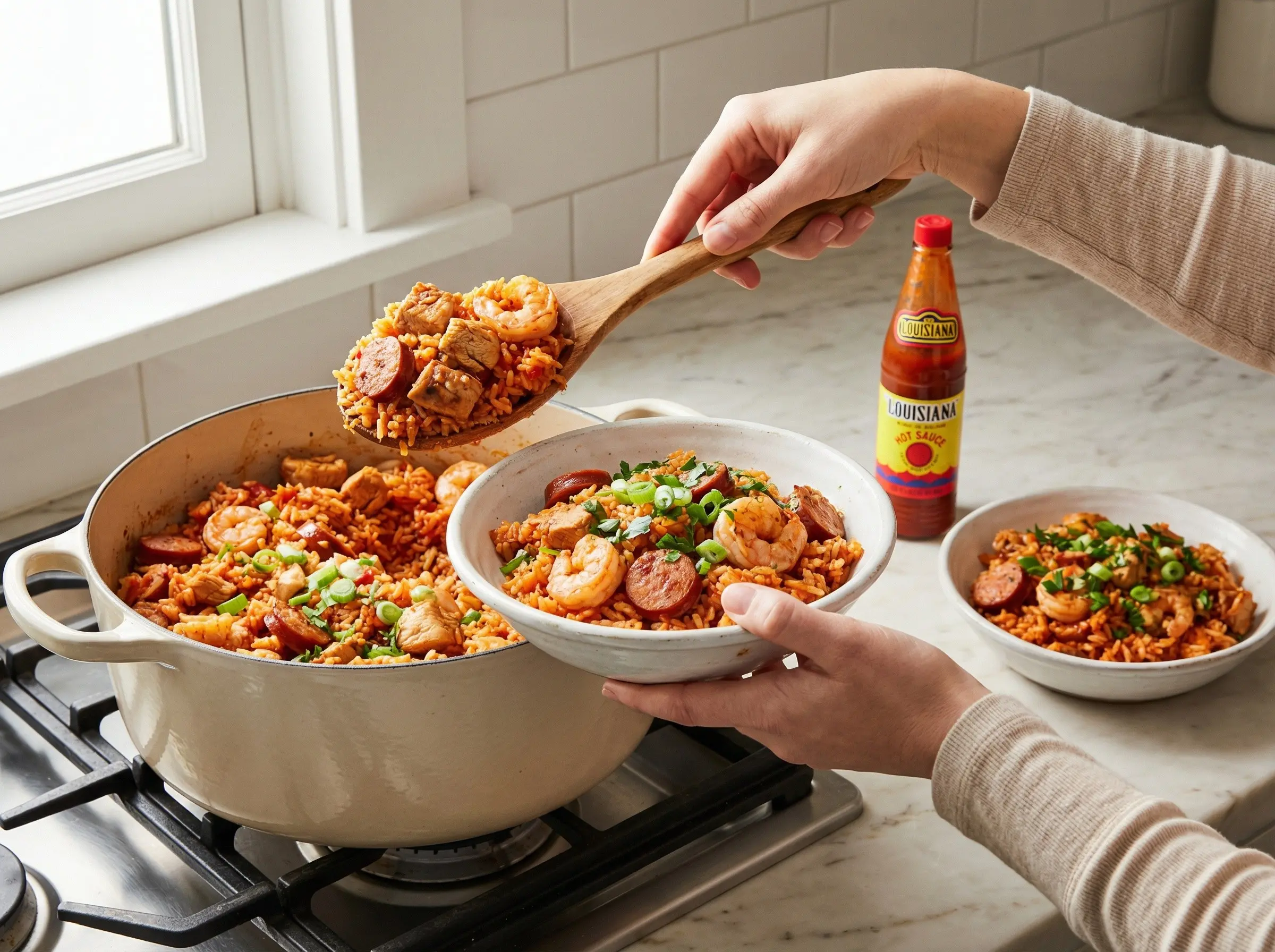
When the rice is nearly done, nestle the raw shrimp into the top of the jambalaya. Cover and cook for an additional 5-7 minutes until the shrimp are pink and curled. Adding the shrimp at the end ensures they stay tender and do not become rubbery. Remove the pot from heat and let rest, covered, for 5 minutes. Remove the bay leaves, then fluff the jambalaya gently with a fork, being careful not to break up the shrimp. Taste and adjust seasoning with salt, pepper, or more cayenne. Serve in deep bowls, garnished with sliced green onions and fresh parsley. Pass hot sauce at the table for those who want extra heat. Jambalaya is even better the next day after the flavors have melded - reheat gently with a splash of broth to loosen. This is the kind of dish that brings people together, equally at home at a casual weeknight dinner or a big Louisiana celebration.
You Might Also Like
Master Your Kitchen with PantryAI
Love this recipe? Save it, shop for it, and cook it with ease. Download the PantryAI app to organize your pantry, track expirations, and discover recipes based on what you already have.

On a computer?Scan with your iPhone camera to download PantryAI.


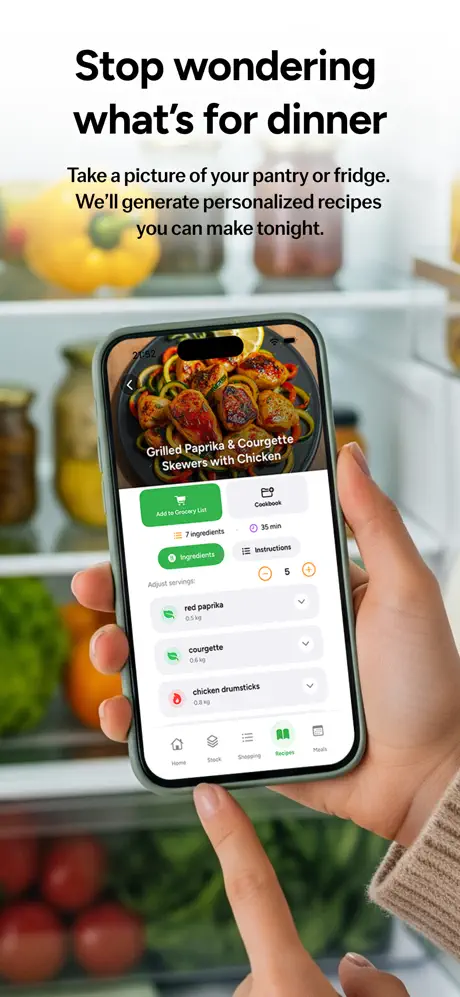
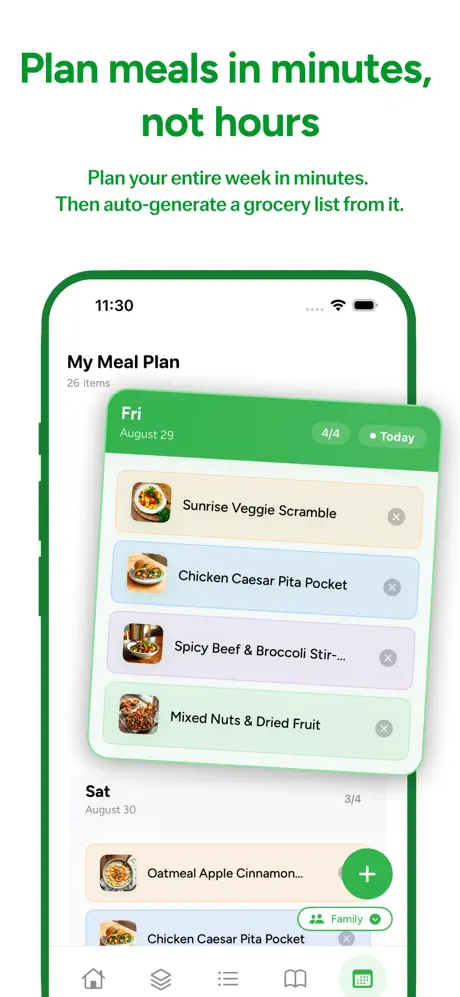




Swipe to see more screenshots