
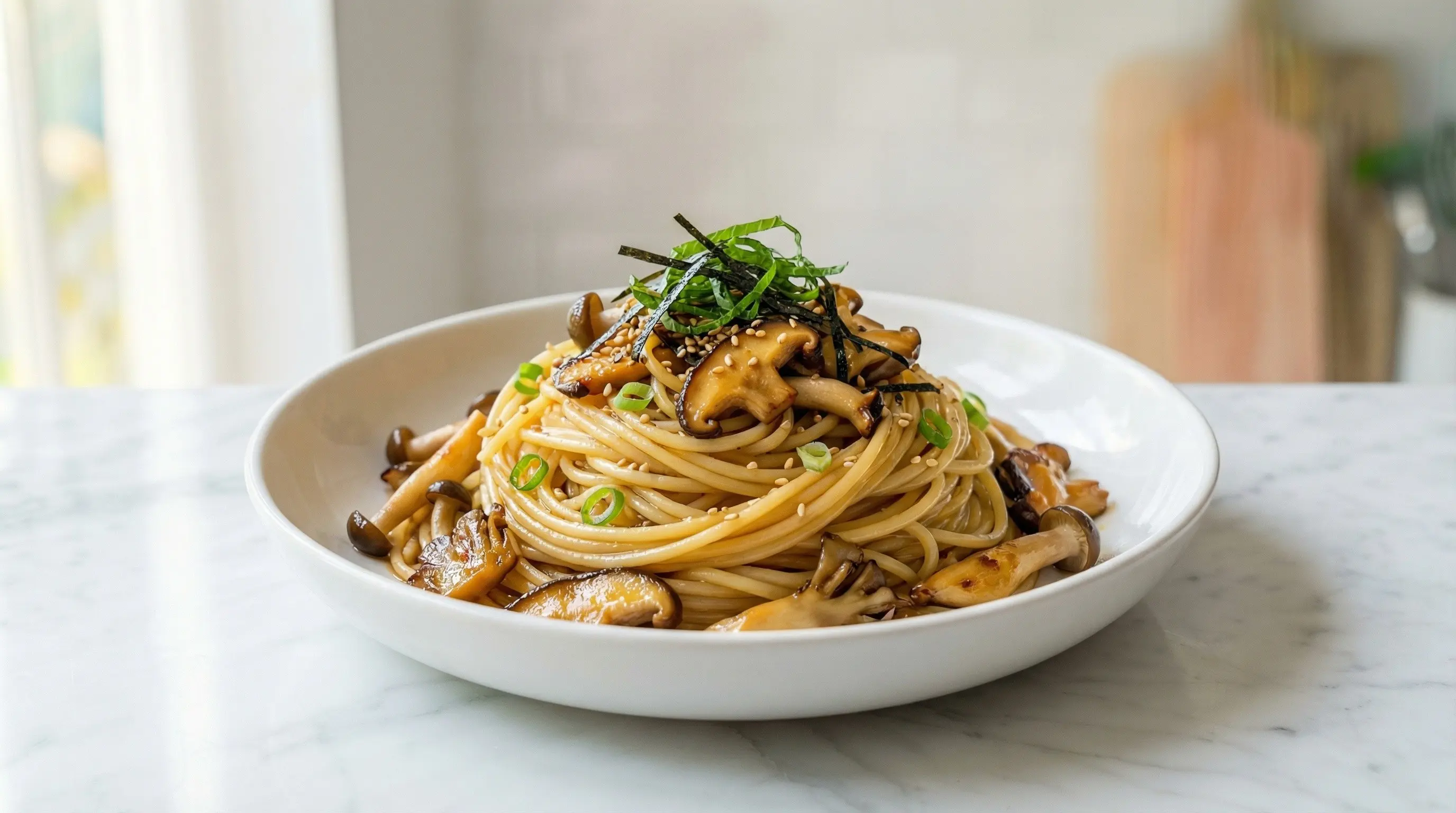
Wafu Mushroom Pasta
Learn how to make wafu mushroom pasta, a delicious Japanese-style pasta with savory mushrooms, butter, soy sauce, and garlic. This umami-rich fusion dish is ready in just 20 minutes!
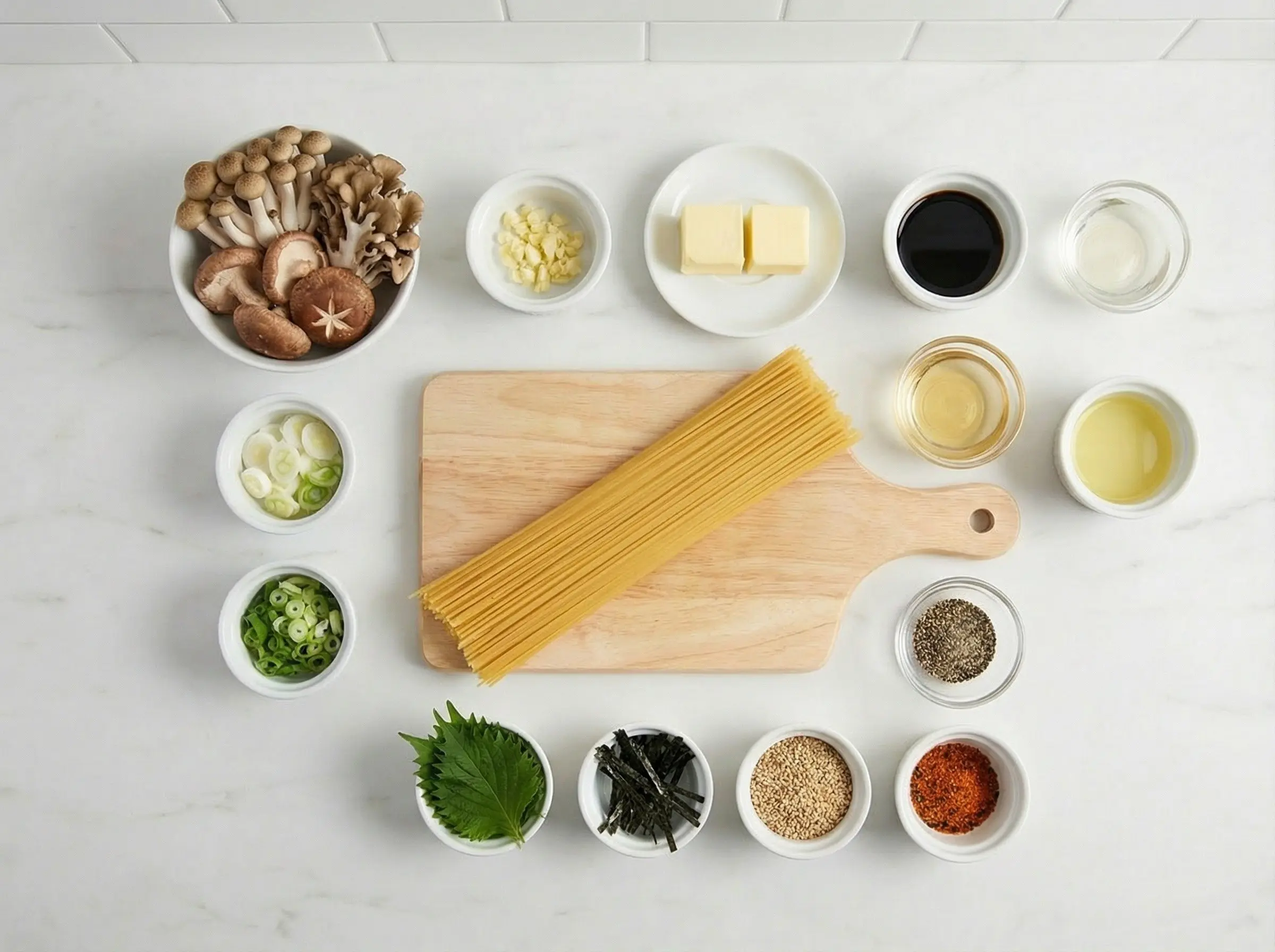
Ingredients
The Story
Wafu pasta represents one of Japan's most successful culinary fusions - the marriage of Italian pasta with Japanese flavors and sensibilities. The term "wafu" (和風) literally means "Japanese-style," and when applied to pasta, it describes dishes that use traditional Japanese seasonings like soy sauce, dashi, miso, and mirin in place of typical Italian ingredients. This fusion emerged in Japan during the post-World War II era when Western foods became increasingly popular, but truly flourished from the 1960s onward as Japanese home cooks and restaurant chefs began adapting pasta to local tastes. What started as creative experimentation has become a beloved category of Japanese cuisine, found everywhere from convenience stores to high-end restaurants. The genius of wafu pasta lies in its respect for both culinary traditions. Rather than simply putting soy sauce on spaghetti, Japanese cooks recognized that the umami-rich foundations of their cuisine - dashi, fermented soy products, and sake-based seasonings - could create pasta dishes with depth and complexity rivaling any Italian original. Mushroom wafu pasta became one of the most popular variations, celebrating Japan's deep appreciation for fungi. Japanese cuisine features an extraordinary variety of mushrooms - shiitake, shimeji, enoki, maitake, eringi - each prized for its unique texture and earthy flavor. Combined with the classic Japanese flavor combination of butter and soy sauce (known as "bataa shoyu"), these mushrooms create a pasta dish that is both familiar and distinctly Japanese. What makes wafu mushroom pasta so appealing is its perfect balance of umami, richness, and brightness. The butter provides luxurious body, while soy sauce adds depth and saltiness. Garlic and a splash of sake or mirin contribute aromatic complexity. The mushrooms, sauteed until golden and slightly crisp at the edges, deliver earthy satisfaction and meaty texture. A finishing touch of shiso (perilla leaf), green onions, or nori adds freshness and visual appeal that is characteristically Japanese. Unlike cream-heavy Western mushroom pastas, wafu versions tend to be lighter yet no less satisfying, with the pasta coated in a glossy, savory sauce rather than drowning in dairy. It is comfort food that does not weigh you down - a philosophy that defines much of Japanese cooking.
Instructions
Step 1
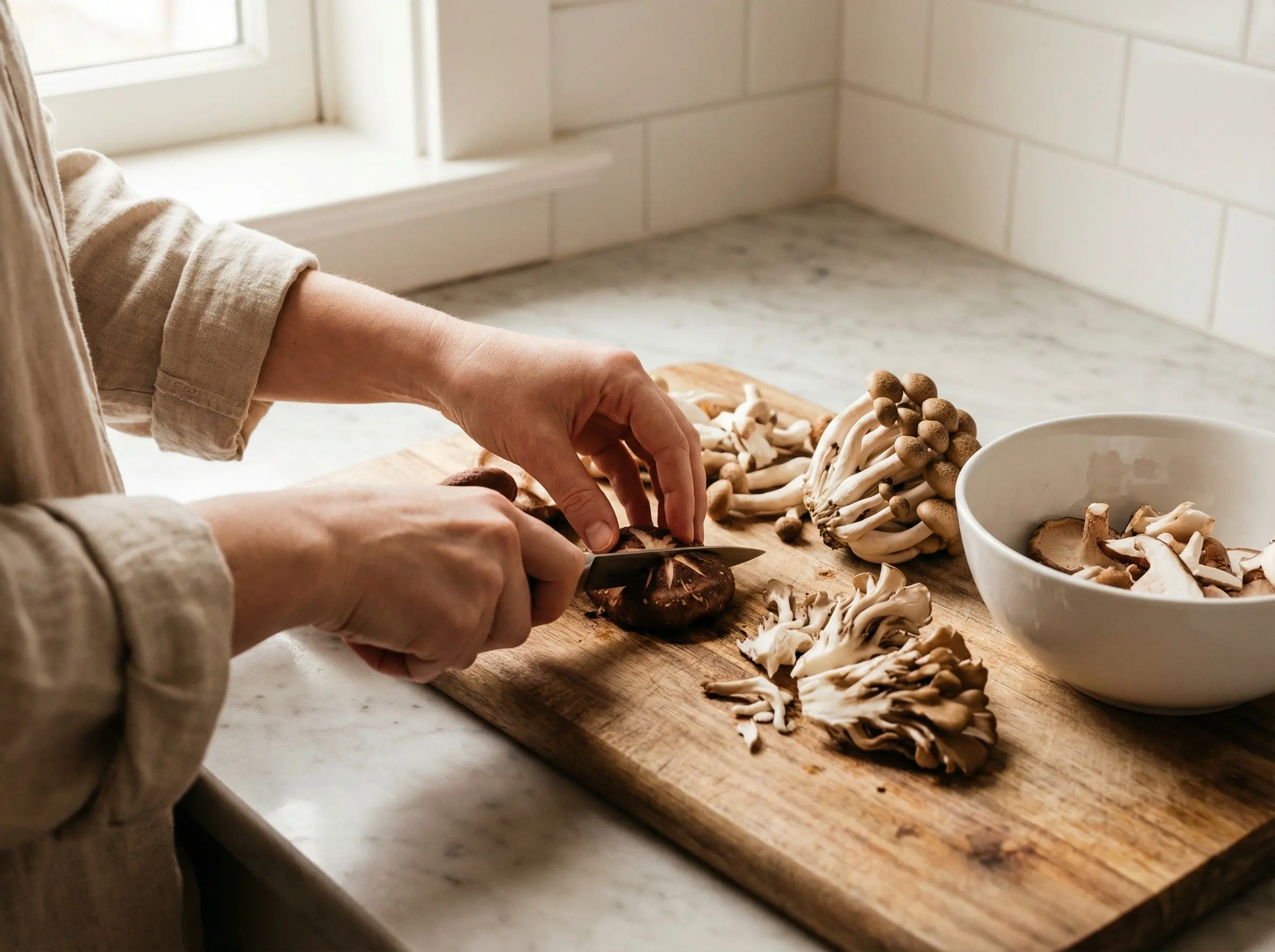
Bring a large pot of generously salted water to a boil for the pasta. While waiting, prepare the mushrooms. For shiitake, remove and discard the tough stems and slice the caps into 1/4-inch pieces. For shimeji and enoki, trim off the root base and separate the clusters into individual mushrooms or small bunches. For maitake and oyster mushrooms, tear into bite-sized pieces along their natural lines. Using a variety of mushrooms creates more interesting textures and flavors, but even a single variety works well. The total weight of prepared mushrooms should be about 8 ounces - they will shrink significantly during cooking.
Step 2
Cook the pasta in the boiling salted water according to package directions until just al dente - about 1 minute less than the recommended time since it will finish cooking in the sauce. Before draining, reserve at least 1 cup of the starchy pasta cooking water - this is essential for creating a glossy, cohesive sauce. The starch in the water helps emulsify the butter and soy sauce into a silky coating for the pasta. Drain the pasta but do not rinse it.
Step 3
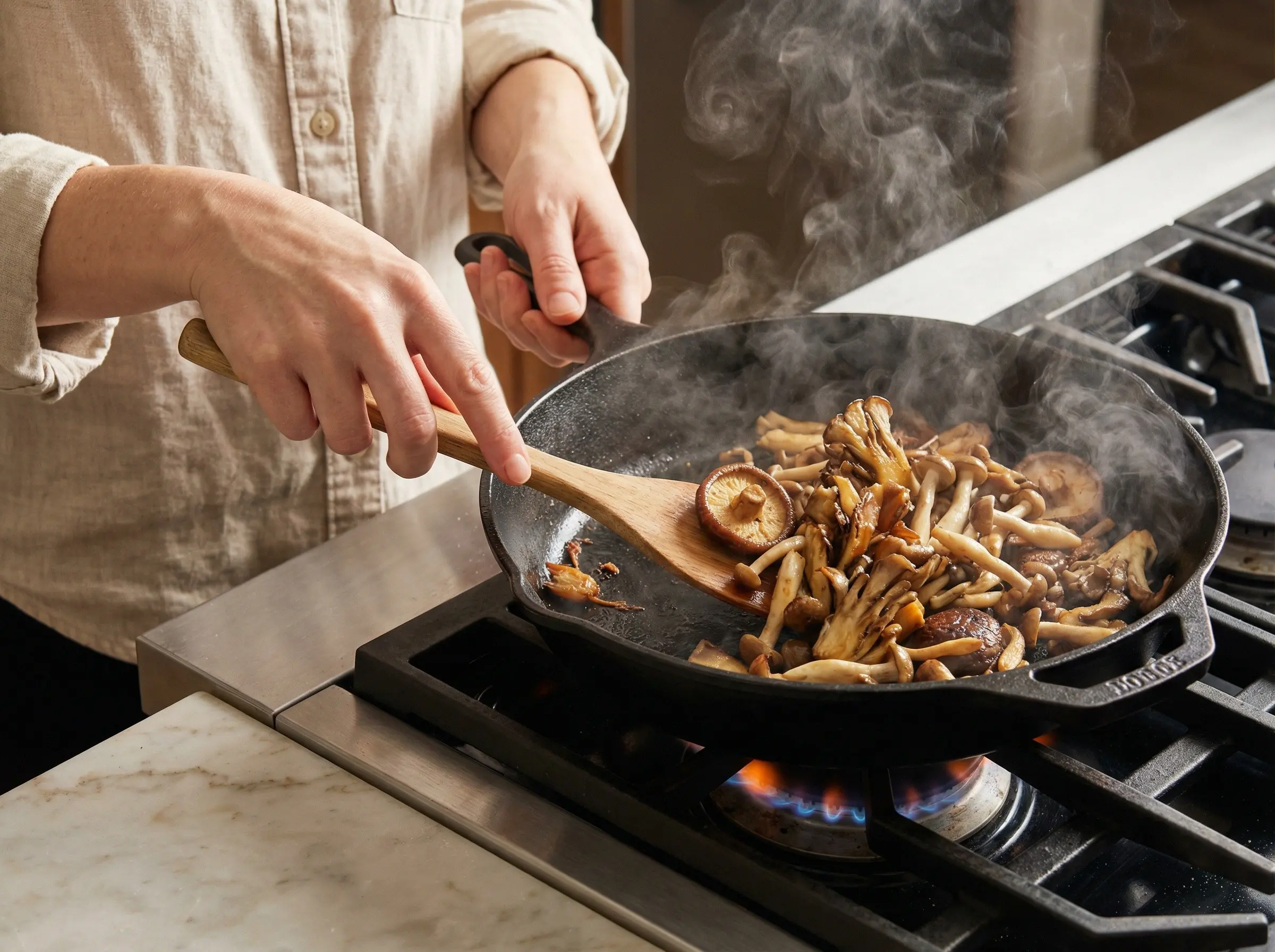
While the pasta cooks, heat the vegetable oil and 1 tablespoon of the butter in a large skillet or wok over high heat. When the butter foams and the pan is very hot, add the prepared mushrooms in a single layer. Let them cook without stirring for 1-2 minutes to develop golden brown color on the bottom. Toss and continue cooking for another 3-4 minutes until the mushrooms are golden, slightly crispy at the edges, and have released and reabsorbed their moisture. Season lightly with salt. The high heat and initial period without stirring are key to achieving caramelized, flavorful mushrooms rather than soggy, steamed ones.
Step 4
Reduce the heat to medium and push the mushrooms to one side of the pan. Add the remaining 3 tablespoons of butter to the empty side and let it melt. Add the minced garlic to the butter and cook for about 30 seconds until fragrant but not browned - burnt garlic will make the dish bitter. Pour in the sake and let it sizzle and reduce for about 30 seconds, scraping up any browned bits from the pan. The alcohol will cook off, leaving behind a subtle sweetness and depth.
Step 5
Add the drained pasta directly to the skillet with the mushrooms. Pour in the soy sauce, mirin, and about 1/4 cup of the reserved pasta water. Toss everything together vigorously over medium heat for 1-2 minutes, adding more pasta water as needed to create a glossy sauce that clings to the noodles. The starchy pasta water will emulsify with the butter and soy sauce to form a silky coating. Season with black pepper. Taste and adjust - add more soy sauce for saltiness, more butter for richness, or more pasta water if the sauce seems too thick or dry.
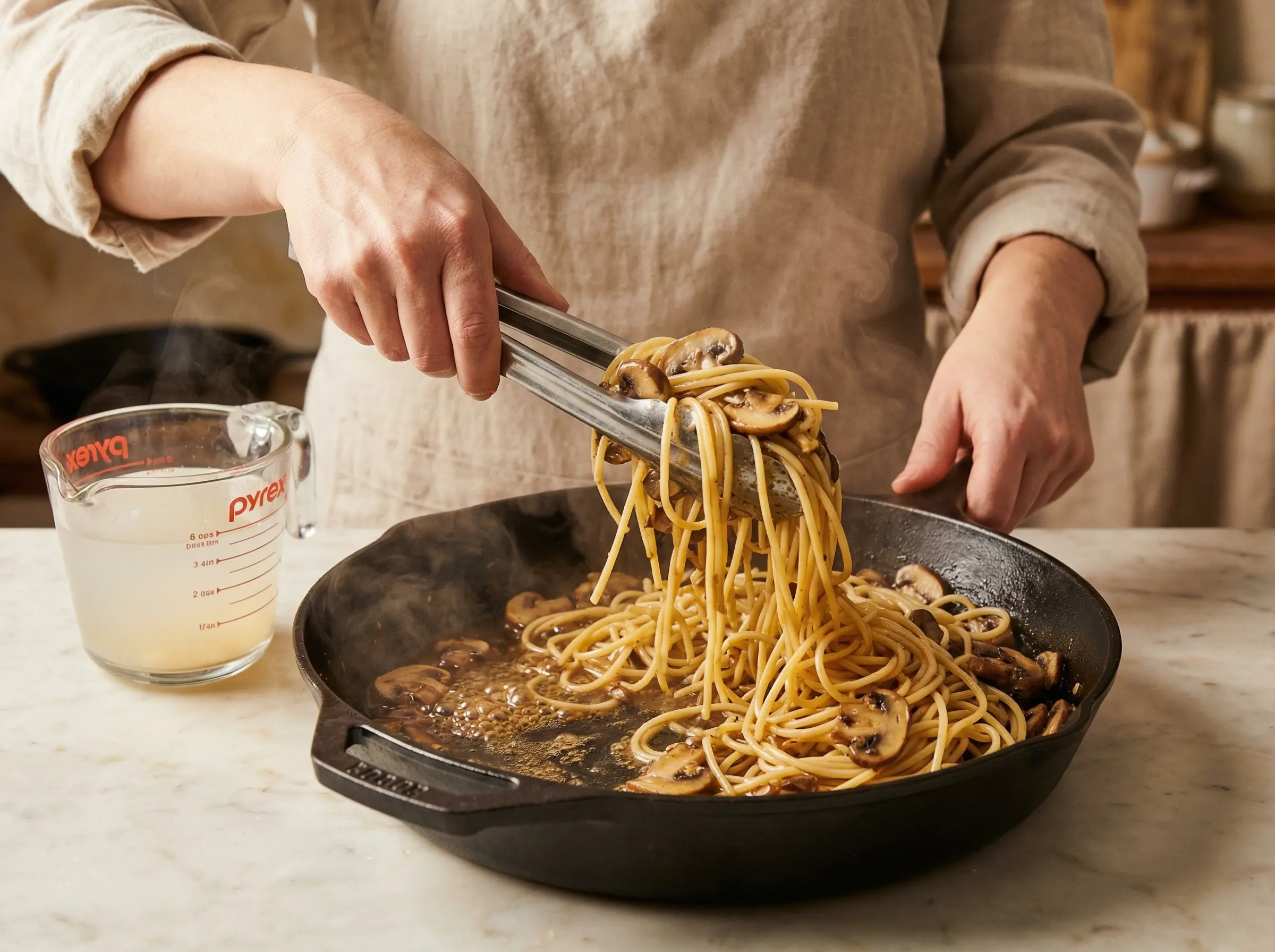
Step 6
Remove from heat and add the white and light green parts of the sliced green onions, tossing to combine. Transfer the wafu mushroom pasta to serving bowls, twirling it into attractive nests. Top generously with the traditional Japanese garnishes: dark green parts of the sliced green onions, thin strips of shiso (perilla leaf) for a bright, herbaceous note, strips of nori for umami and visual contrast, and a sprinkle of toasted sesame seeds. A light dusting of shichimi togarashi adds gentle heat for those who enjoy it. Serve immediately while the pasta is hot and the sauce is glossy. Wafu pasta is best eaten right away - like all butter-based pasta dishes, it can become heavy and congealed as it cools. The combination of the savory butter-soy sauce, earthy mushrooms, and fresh garnishes creates a dish that is unmistakably Japanese yet comfortingly familiar to any pasta lover.
You Might Also Like
Master Your Kitchen with PantryAI
Love this recipe? Save it, shop for it, and cook it with ease. Download the PantryAI app to organize your pantry, track expirations, and discover recipes based on what you already have.

On a computer?Scan with your iPhone camera to download PantryAI.








Swipe to see more screenshots