
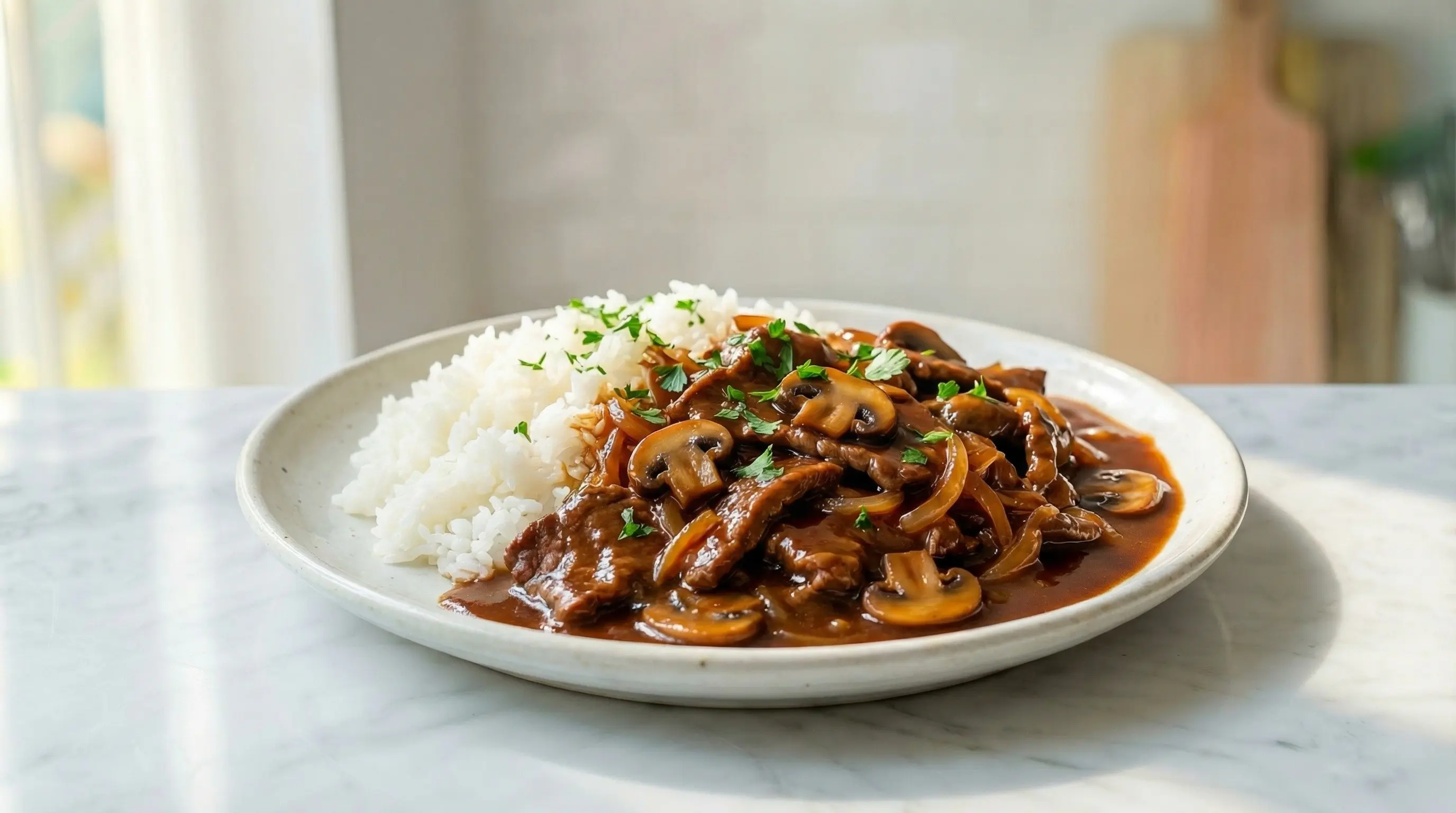
Hayashi Rice
Learn how to make hayashi rice, a comforting Japanese beef stew in rich demi-glace sauce served over rice. This beloved yoshoku dish is hearty, savory, and utterly delicious!
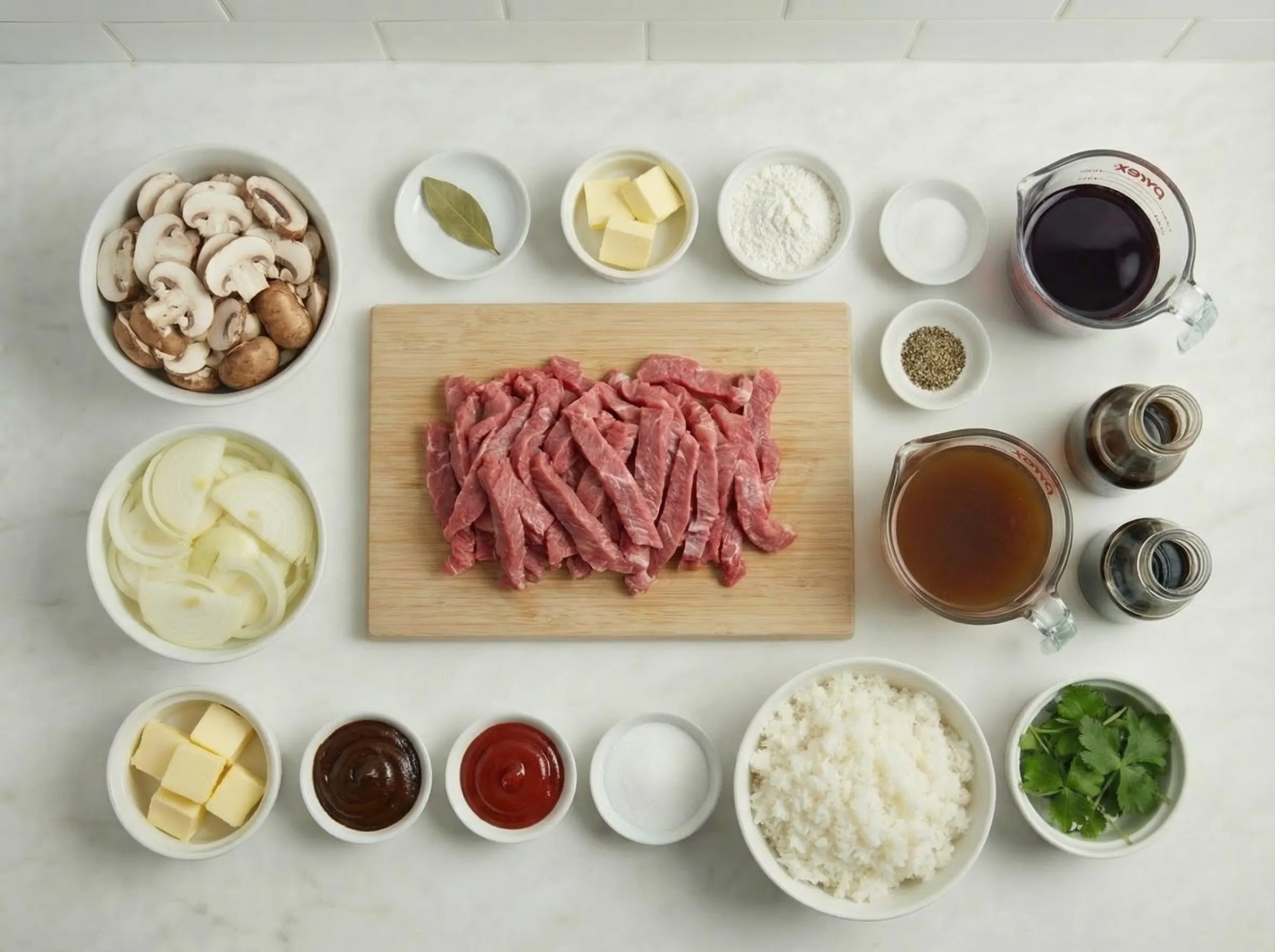
Ingredients
The Story
Hayashi rice is one of Japan's most beloved yoshoku (Western-influenced Japanese) dishes, a rich beef stew in a deeply savory demi-glace sauce served over fluffy white rice. The dish emerged during the Meiji era (1868-1912) when Japan opened to Western influence and Japanese chefs began adapting European cuisine to local tastes. The name "hayashi" has disputed origins - some believe it derives from "hashed beef" or "hashed rice" (a British dish of chopped beef in gravy), while others attribute it to a Dr. Hayashi who supposedly created the dish. Regardless of its etymology, hayashi rice became firmly established in Japanese culinary culture by the early 20th century. The dish represents the creative adaptation that defines yoshoku cuisine. While inspired by European beef stews and French demi-glace sauces, Japanese cooks refined the dish to suit Japanese palates and dining customs. The sauce became richer and more umami-forward, often incorporating tonkatsu sauce or ketchup alongside the traditional demi-glace base. The dish was designed to be eaten with rice rather than bread, and the sauce consistency was adjusted accordingly - thick enough to coat the rice but not so heavy as to overwhelm. Hayashi rice became a staple of yoshoku restaurants, department store dining halls, and home kitchens throughout Japan, particularly during the postwar economic boom when Western-influenced foods symbolized modernity and prosperity. What makes hayashi rice so comforting is its perfect balance of rich, savory flavors and silky texture. The beef, typically thinly sliced, becomes meltingly tender in the sauce while retaining its beefy flavor. Mushrooms add earthy depth and satisfying bite, while onions caramelize into sweet softness. The sauce itself is the star - a complex blend of demi-glace, red wine, tomato, and Japanese seasonings that achieves remarkable depth. Unlike Western beef stews that might be chunky and rustic, hayashi rice has an elegant, refined quality - the sauce is smooth and glossy, coating each strand of beef and pooling beautifully over the mounded rice. It is sophisticated comfort food that appeals to all ages, equally at home on a family dinner table or a restaurant menu.
Instructions
Step 1
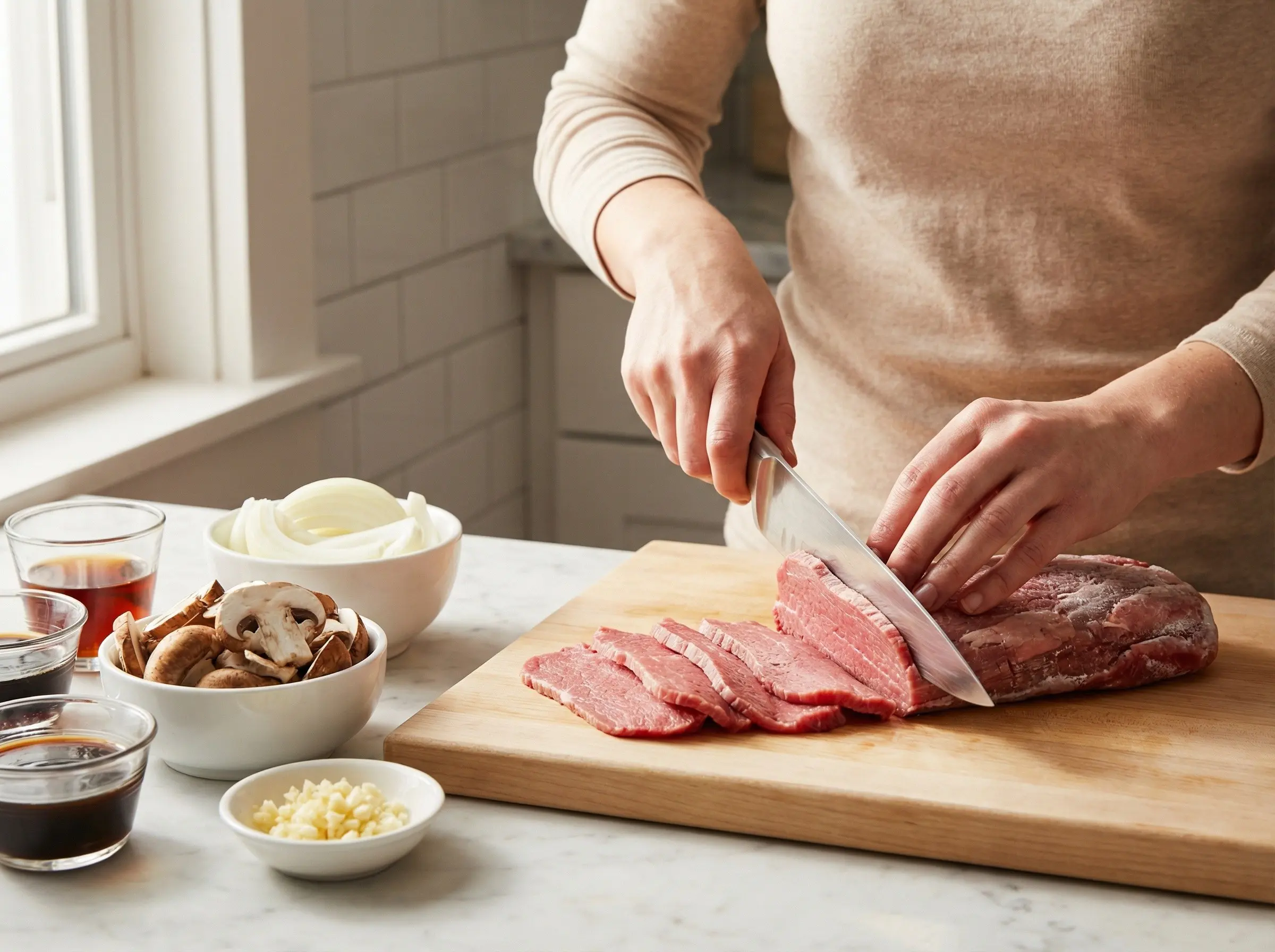
Prepare all ingredients before cooking. Slice the beef very thinly against the grain - about 1/8 inch thick. Partially freezing the beef for 30-60 minutes makes thin slicing easier. Cut the slices into bite-sized pieces about 2 inches long. Season lightly with salt and pepper. Slice the onions into thin half-moons. Slice the mushrooms - a mix of button, cremini, and shiitake provides the best flavor and texture variety. Mince the garlic. Have all the sauce ingredients measured and ready, as the cooking process moves quickly.
Step 2
Melt 2 tablespoons of butter in a large deep skillet or Dutch oven over medium-high heat. When the butter foams, add the sliced beef in a single layer. Sear without stirring for about 1 minute until browned on the bottom, then stir and cook for another minute until just cooked through. The beef should be browned but still slightly pink inside - it will continue cooking in the sauce later. Transfer the beef to a plate and set aside. Do not wipe out the pan - the browned bits (fond) add tremendous flavor.
Step 3
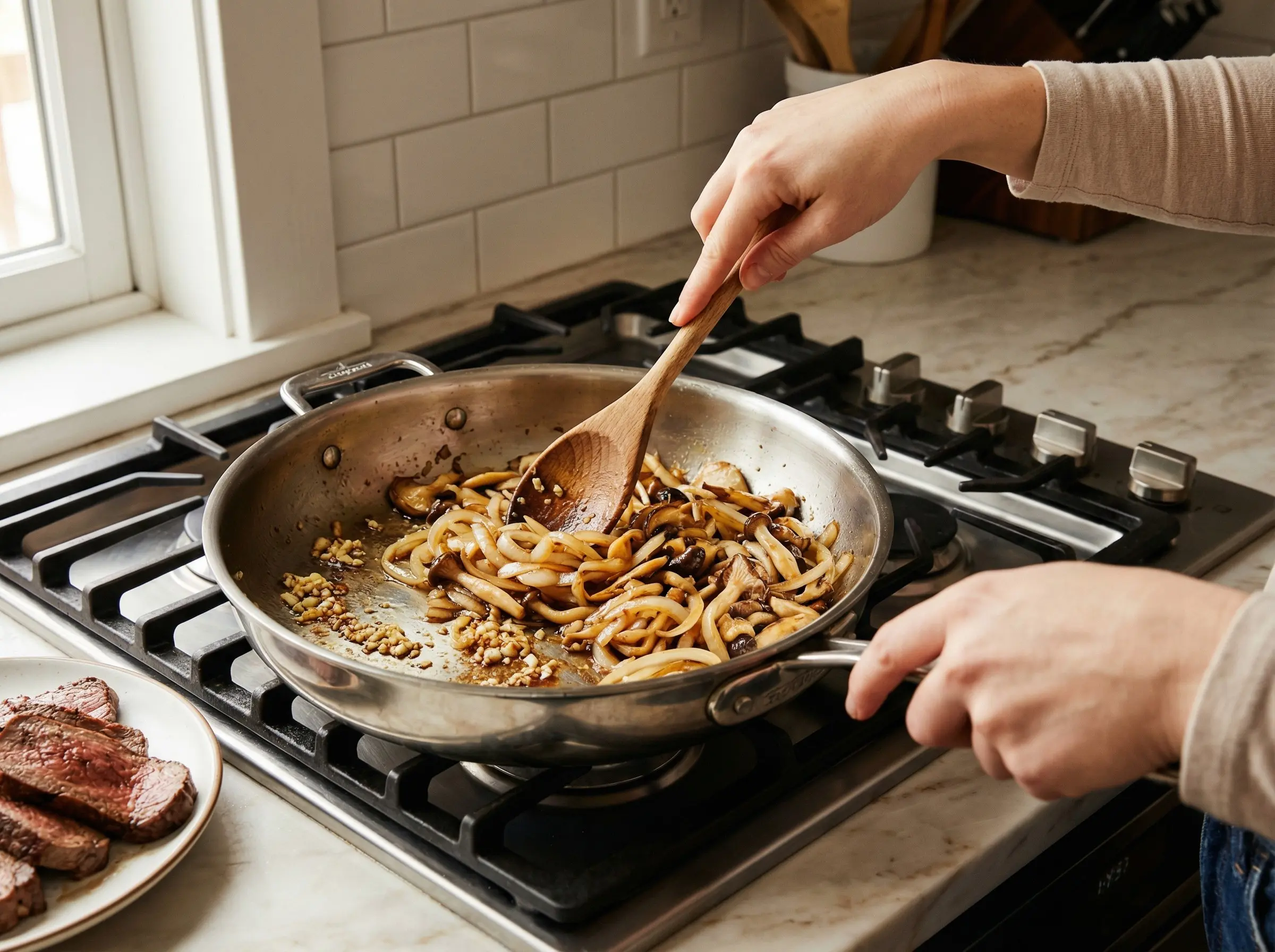
Add the remaining 2 tablespoons of butter to the same pan over medium heat. Add the sliced onions and cook, stirring occasionally, for 8-10 minutes until softened and caramelized to a deep golden brown. The onions should be very soft and sweet - this caramelization is crucial for building the sauce''s depth of flavor. Add the minced garlic and sliced mushrooms. Cook for another 5-6 minutes until the mushrooms have released their liquid and turned golden brown. Season lightly with salt and pepper.
Step 4
Sprinkle the flour over the vegetables and stir for 1-2 minutes to cook off the raw flour taste - this creates a roux that will thicken the sauce. Pour in the red wine and stir vigorously, scraping up all the browned bits from the bottom of the pan. Let the wine simmer for 2-3 minutes until reduced by about half and the alcohol smell has cooked off. The wine adds acidity and depth that is essential to hayashi rice''s sophisticated flavor.
Step 5
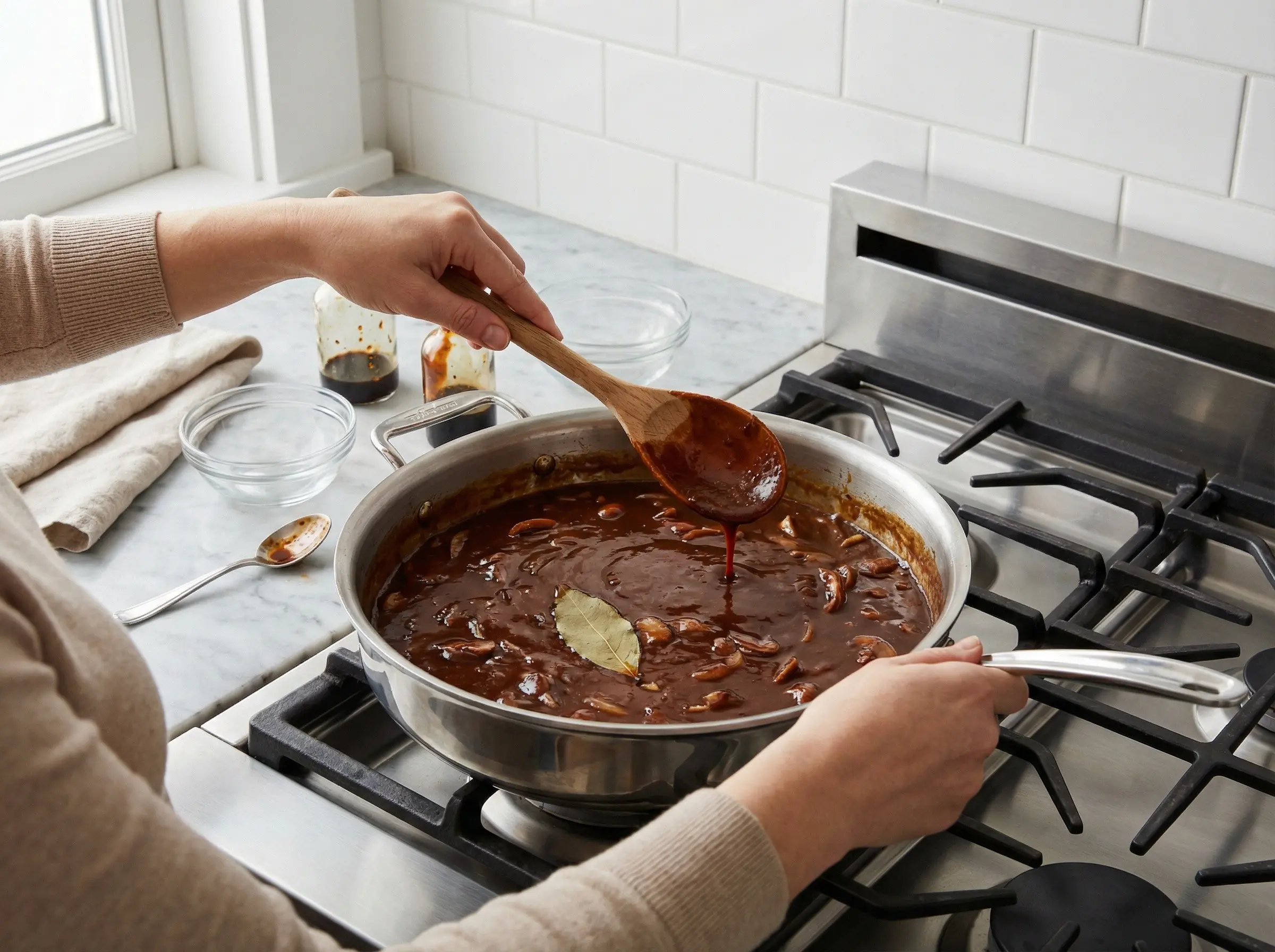
Add the beef stock, demi-glace (or beef bouillon paste), ketchup, tonkatsu sauce, soy sauce, sugar, and bay leaf. Stir well to combine, making sure the demi-glace is fully dissolved. Bring to a simmer and cook for 15-20 minutes, stirring occasionally, until the sauce has thickened to a glossy, coating consistency. It should be thick enough to coat the back of a spoon but still pourable. The sauce will continue to reduce and thicken, so add a splash of stock or water if it becomes too thick. Taste and adjust seasoning - it should be rich, savory, slightly sweet, and well-balanced.
Step 6
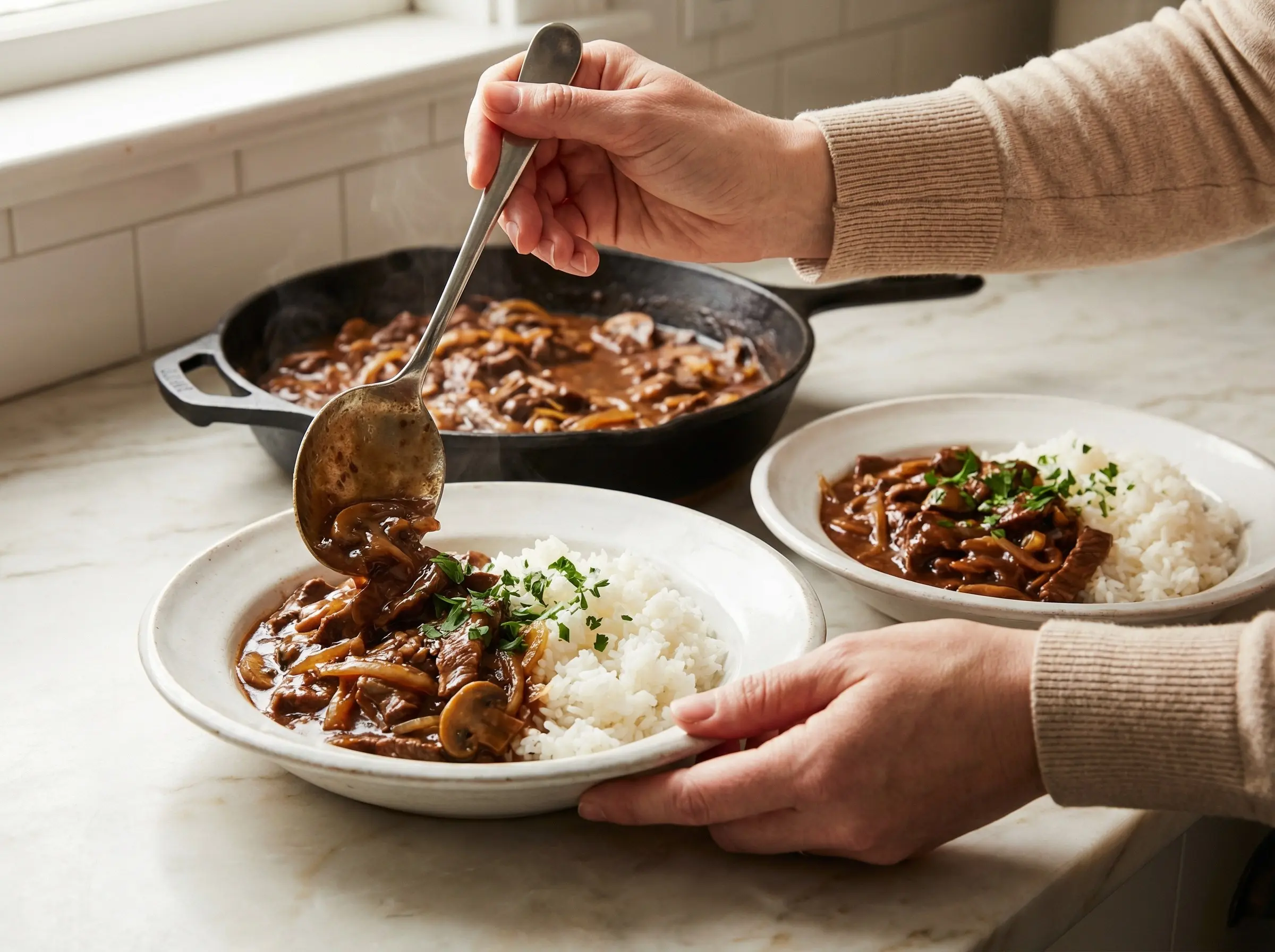
Return the seared beef and any accumulated juices to the pan. Stir gently to coat the beef in the sauce and simmer for another 2-3 minutes just to heat through. Remove the bay leaf. The beef should be tender and the sauce should cling to each piece beautifully. To serve, mound hot steamed rice on one side of each plate or shallow bowl. Spoon the hayashi beef generously alongside and slightly over the rice, allowing the glossy sauce to pool around the base. Garnish with fresh chopped parsley for color. Some restaurants serve hayashi rice with the meat and sauce draped over a mound of rice in the center of the plate. Accompany with a simple green salad dressed with Japanese-style wafu dressing or a side of pickled vegetables. Hayashi rice keeps well refrigerated for 3-4 days and actually improves in flavor overnight - reheat gently and add a splash of stock if the sauce has thickened too much.
You Might Also Like
Master Your Kitchen with PantryAI
Love this recipe? Save it, shop for it, and cook it with ease. Download the PantryAI app to organize your pantry, track expirations, and discover recipes based on what you already have.

On a computer?Scan with your iPhone camera to download PantryAI.








Swipe to see more screenshots