
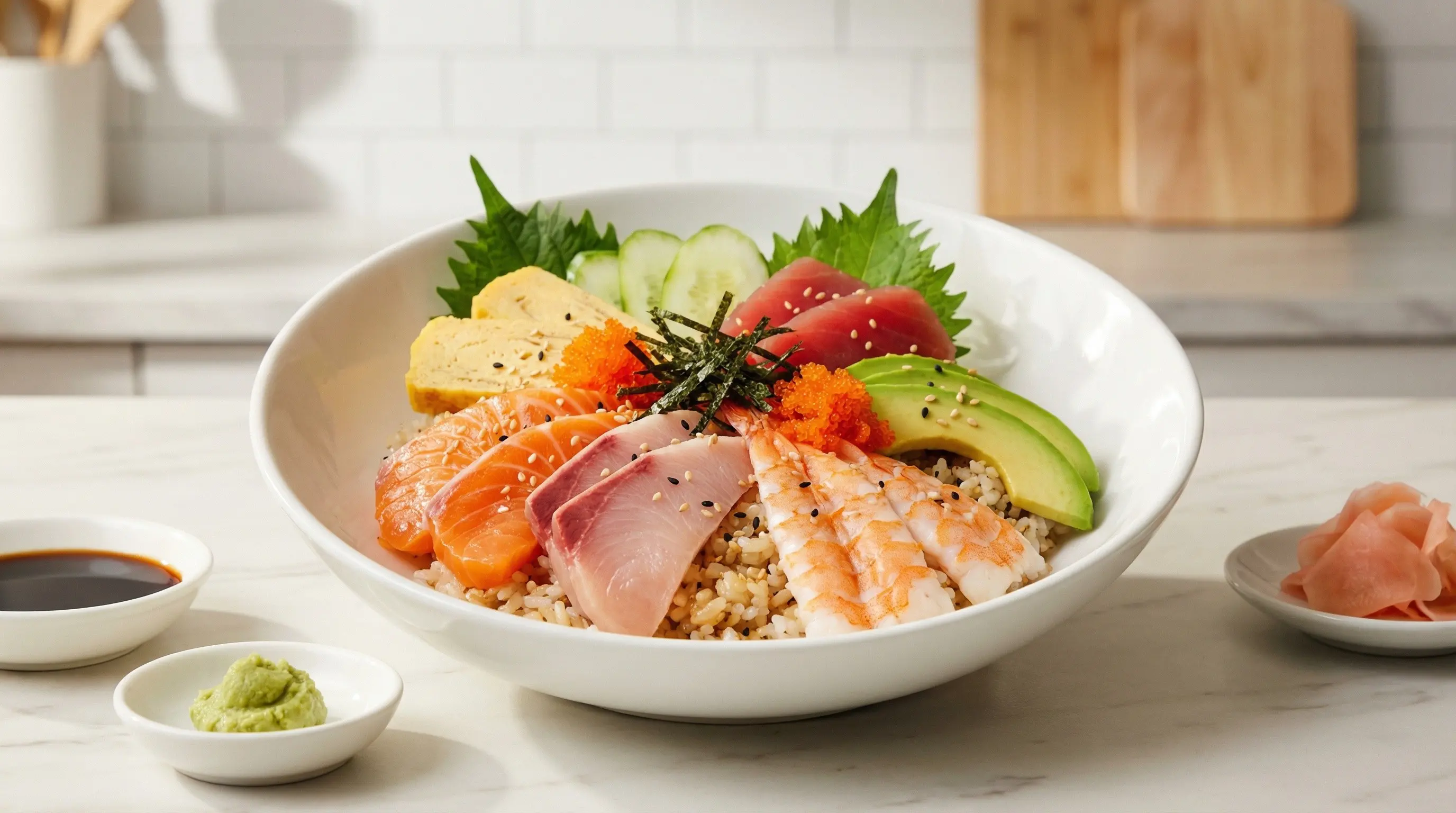
Chirashi
Learn how to make chirashi, the beautiful Japanese scattered sushi bowl with fresh sashimi, tamago, and vegetables over seasoned rice. This elegant dish is easier than rolled sushi and equally delicious!
Ingredients
The Story
Chirashi, meaning "scattered" in Japanese, is one of the most beautiful and accessible forms of sushi - a bowl of seasoned sushi rice artfully topped with an array of fresh sashimi, vegetables, and garnishes. Unlike nigiri or maki rolls that require precise shaping technique, chirashi allows even beginners to create stunning presentations by simply arranging ingredients over rice. The dish originated as a way for home cooks to enjoy the flavors of sushi without the years of training required to master traditional sushi-making. In Japan, chirashi is a beloved home-style dish as well as a restaurant staple, enjoyed year-round but especially popular during celebrations like Hinamatsuri (Girls' Day) in March. There are two main styles of chirashi in Japan. Edomae chirashi, from the Tokyo (Edo) region, features slices of raw fish arranged elegantly over rice - similar to what most people outside Japan picture when they think of chirashi. Gomoku chirashi, more common in western Japan (the Kansai region), mixes cooked ingredients like shrimp, egg, lotus root, and vegetables into the rice before topping. Both styles showcase the Japanese aesthetic principle of "moritsuke" - the art of food arrangement that considers color, texture, height, and negative space. A well-composed chirashi bowl is not just a meal; it is an edible artwork that celebrates the beauty of each ingredient. What makes chirashi so special is the harmonious interplay between the cool, silky fish and the gently warm, vinegared rice. The sushi rice (shari) is seasoned with a careful balance of rice vinegar, sugar, and salt, providing a subtle sweetness and acidity that complements the clean flavors of fresh seafood. Each topping brings its own character: the buttery richness of salmon, the clean minerality of tuna, the sweet brininess of shrimp, the delicate sweetness of tamago (egg omelet), and the refreshing crunch of cucumber. Bright pops of tobiko (flying fish roe) add texture and salinity, while shiso leaves and pickled ginger cleanse the palate between bites. Eating chirashi is a journey through tastes and textures, with each chopstick-full offering a different combination. It is sushi in its most liberated form - all the pleasure, none of the rules.
Instructions
Step 1
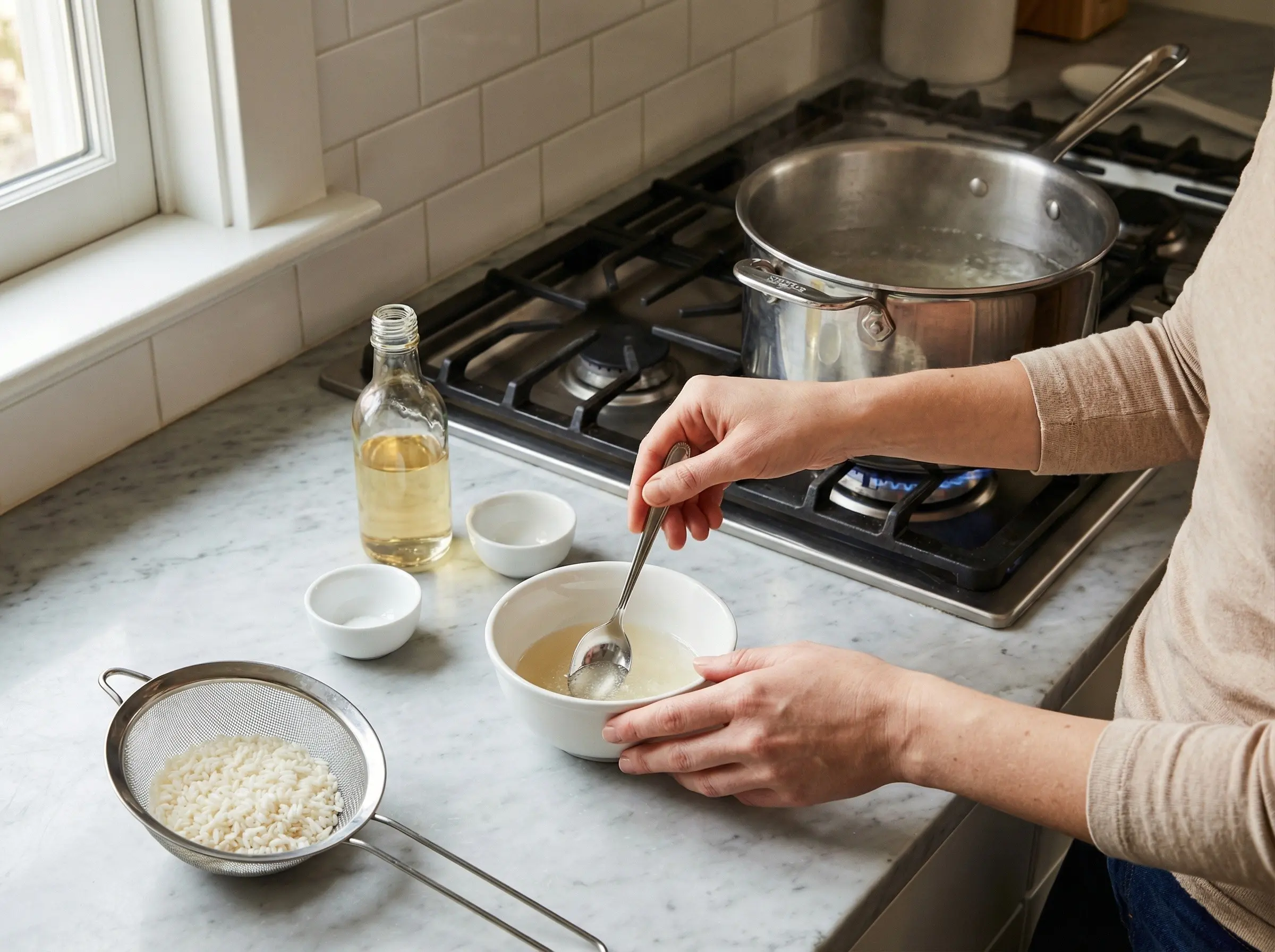
Prepare the sushi rice. Rinse the rice in cold water until the water runs clear - this removes excess starch and prevents gummy rice. Combine the rice with 2.25 cups water in a rice cooker or heavy-bottomed pot. If using a pot, bring to a boil, reduce heat to low, cover tightly, and cook for 18 minutes without lifting the lid. Remove from heat and let steam for 10 minutes. While the rice cooks, combine the rice vinegar, sugar, and salt in a small bowl and stir until dissolved - this is your sushi-zu (sushi vinegar).
Step 2
Season the rice while it is still hot. Transfer the cooked rice to a large wooden bowl (hangiri) or wide, shallow dish. Pour the sushi vinegar evenly over the rice. Using a rice paddle or flat wooden spoon, gently fold and cut through the rice - do not stir or mash, as this will make it gummy. While folding, fan the rice to cool it quickly and give it a glossy sheen. Continue this cutting and fanning motion for 3-5 minutes until the rice is just above room temperature but not cold. Cover with a damp cloth until ready to use. Sushi rice should be served at body temperature, not refrigerator cold.
Step 3
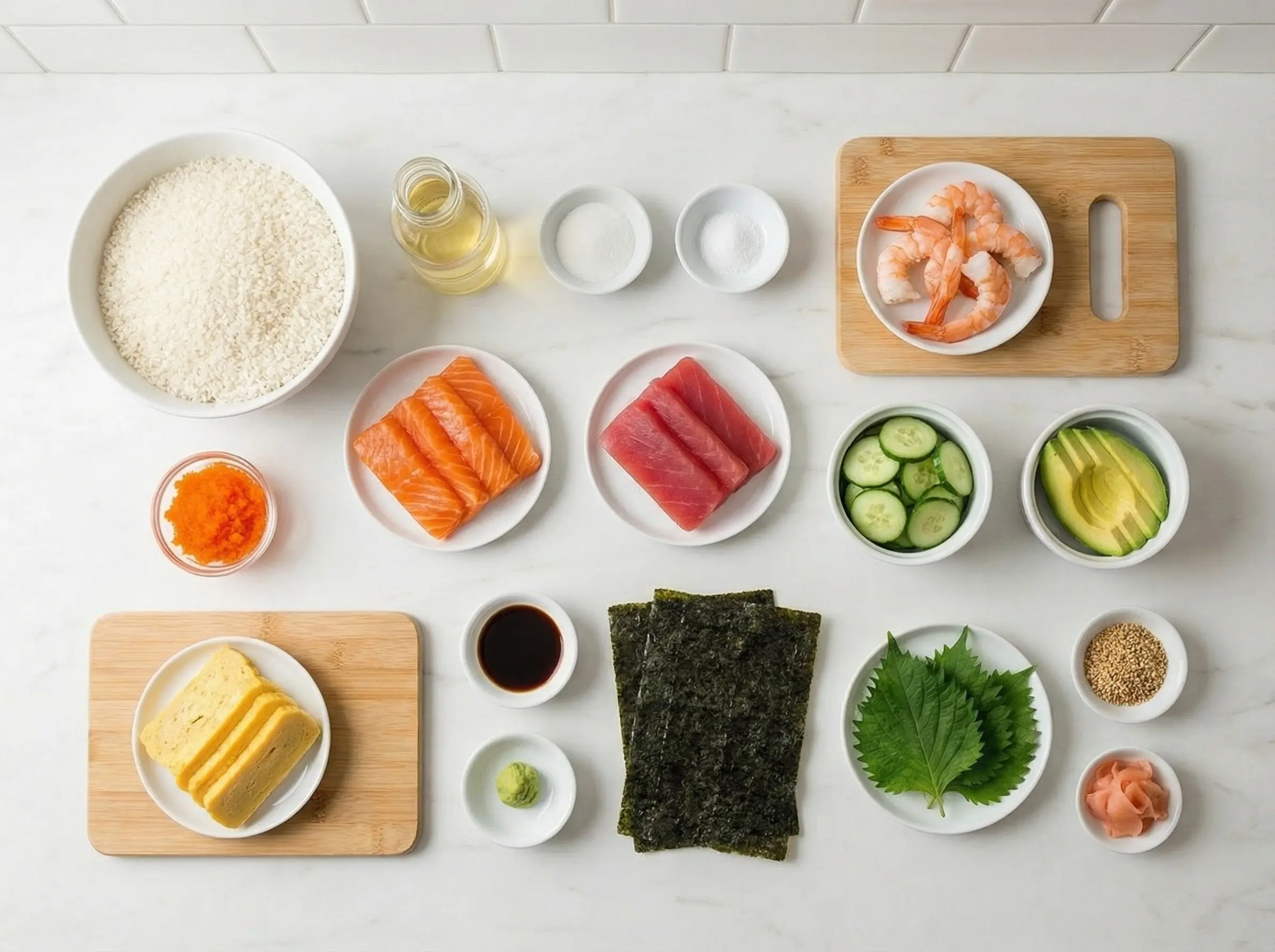
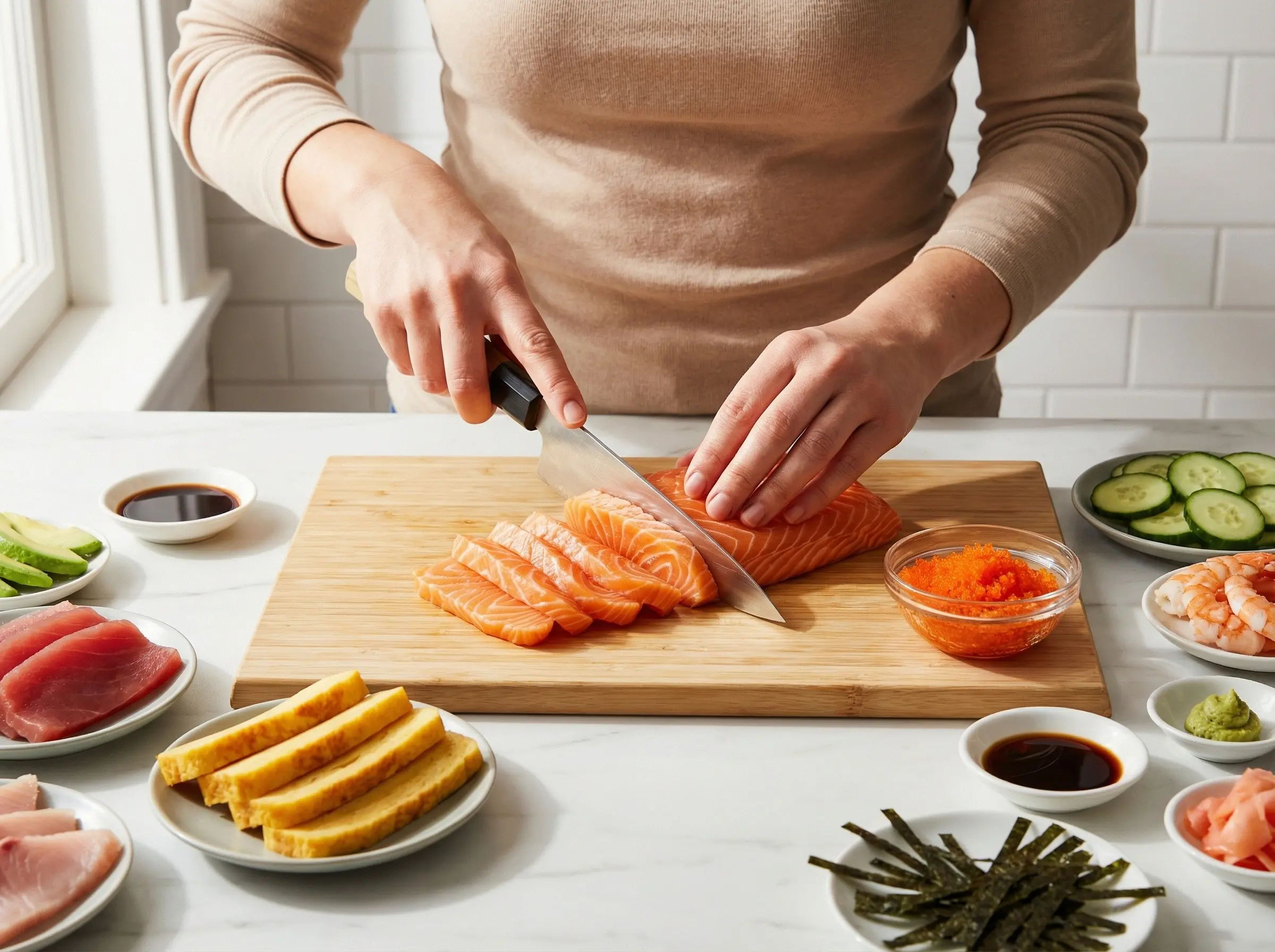
Prepare all the toppings. Using a very sharp knife, slice the sashimi-grade fish into pieces about 1/4 inch thick, cutting against the grain for the most tender texture. Keep the fish refrigerated until ready to assemble. Cut the tamago into rectangular slices about 1/2 inch thick. Slice the cucumber into thin rounds or half-moons. Slice the avocado. If the shrimp are not already butterflied, make a deep cut along the belly without cutting through, then press flat. Cut the nori sheet into thin strips using scissors. Prepare small dishes of soy sauce, wasabi, and pickled ginger for serving.
Step 4
Understand the art of arrangement. Traditional chirashi follows aesthetic principles: odd numbers are preferred over even, heights should vary, colors should be distributed for visual balance, and ingredients should be placed with intentionality rather than haphazardly. Plan your arrangement before you begin. Typically, the rice forms the base, then toppings are arranged from back to front and center to edges, building height in the back and allowing each ingredient to be visible and accessible.
Step 5
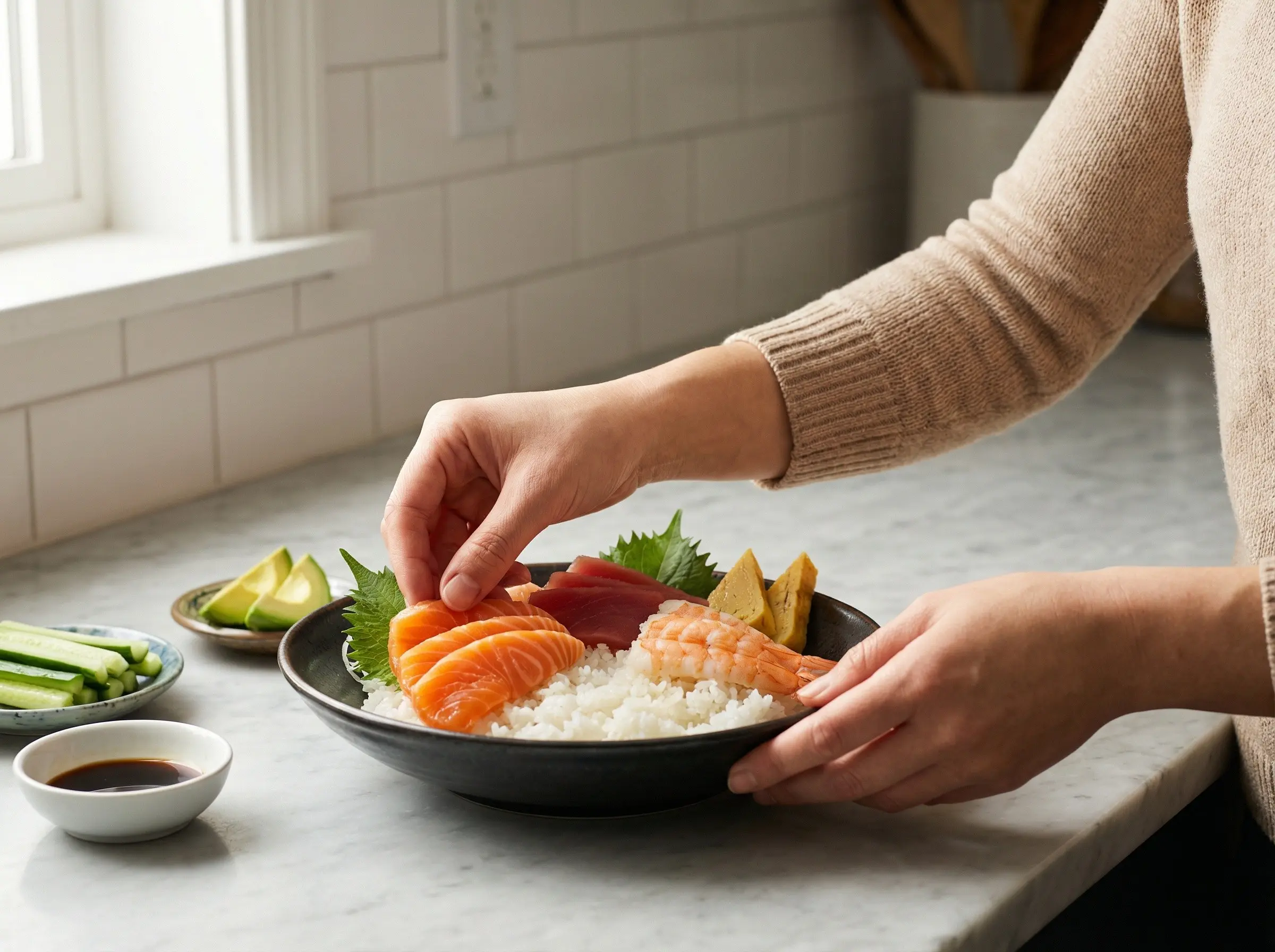
Assemble the chirashi bowls. Divide the seasoned sushi rice among 4 shallow bowls or lacquered dishes, gently pressing to form an even layer without compacting too firmly. The rice should be slightly mounded in the center. If using shiso leaves, place one or two at the back of each bowl as a decorative backdrop. Begin arranging the fish slices, slightly overlapping and leaning against each other - group similar items together or create a rainbow gradient of colors. Place the tamago slices, shrimp, cucumber, and avocado in remaining spaces.
Step 6
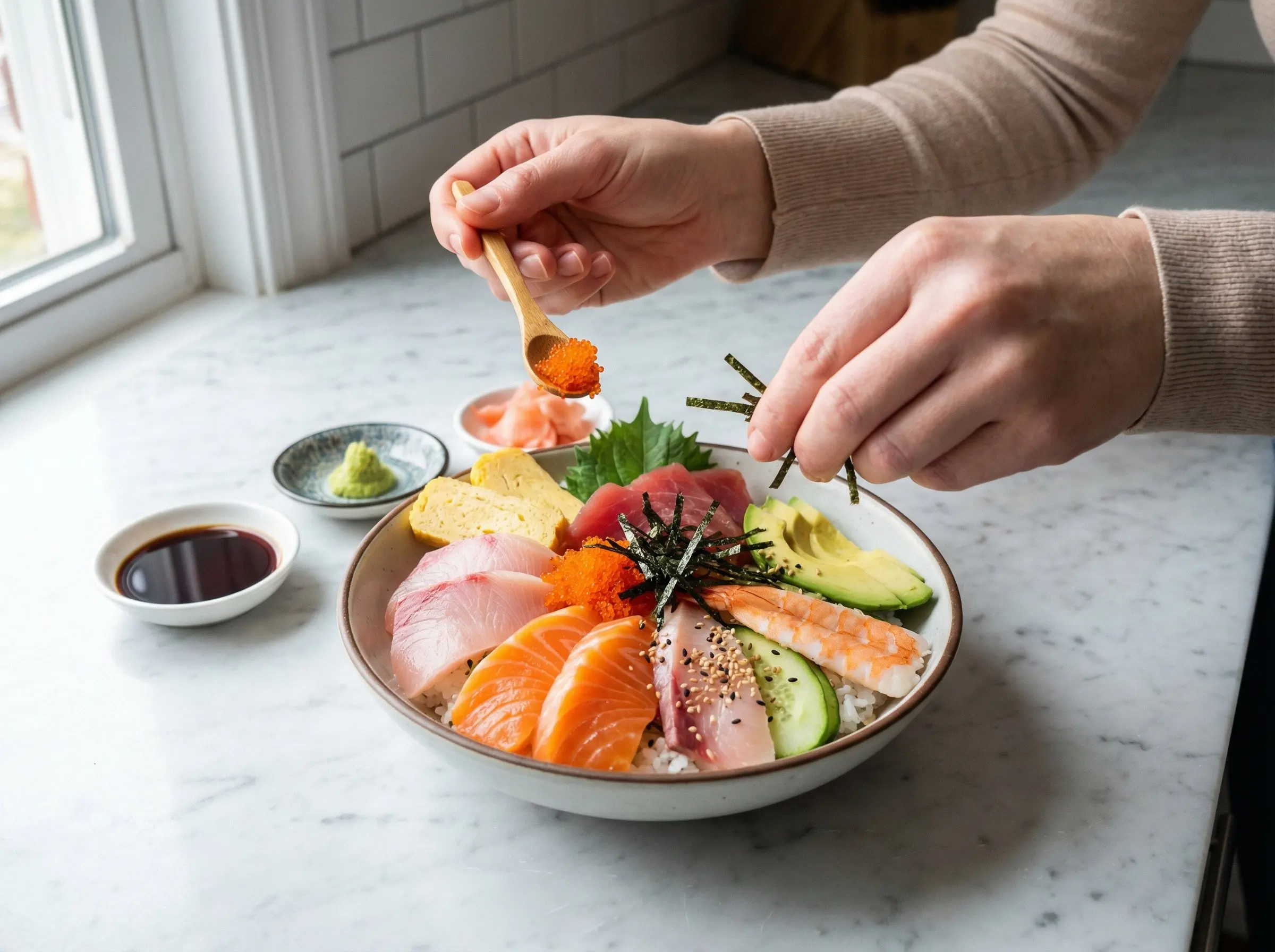
Add the finishing touches. Sprinkle tobiko or ikura roe over the arrangement - the bright orange or red pops of color are visually striking against the fish. Scatter the nori strips and toasted sesame seeds over the top. Serve immediately with small dishes of soy sauce, wasabi, and pickled ginger on the side. To eat, mix a small amount of wasabi into the soy sauce if desired, then pick up pieces of fish and dip lightly before eating with some rice. Alternatively, drizzle a small amount of soy sauce directly over the bowl. Chirashi should be eaten promptly while the rice is at the ideal temperature and the fish is pristinely fresh. Unlike rolled sushi, chirashi invites you to choose your own adventure with each bite - combining toppings in whatever ratio pleases you.
You Might Also Like
Master Your Kitchen with PantryAI
Love this recipe? Save it, shop for it, and cook it with ease. Download the PantryAI app to organize your pantry, track expirations, and discover recipes based on what you already have.

On a computer?Scan with your iPhone camera to download PantryAI.








Swipe to see more screenshots