
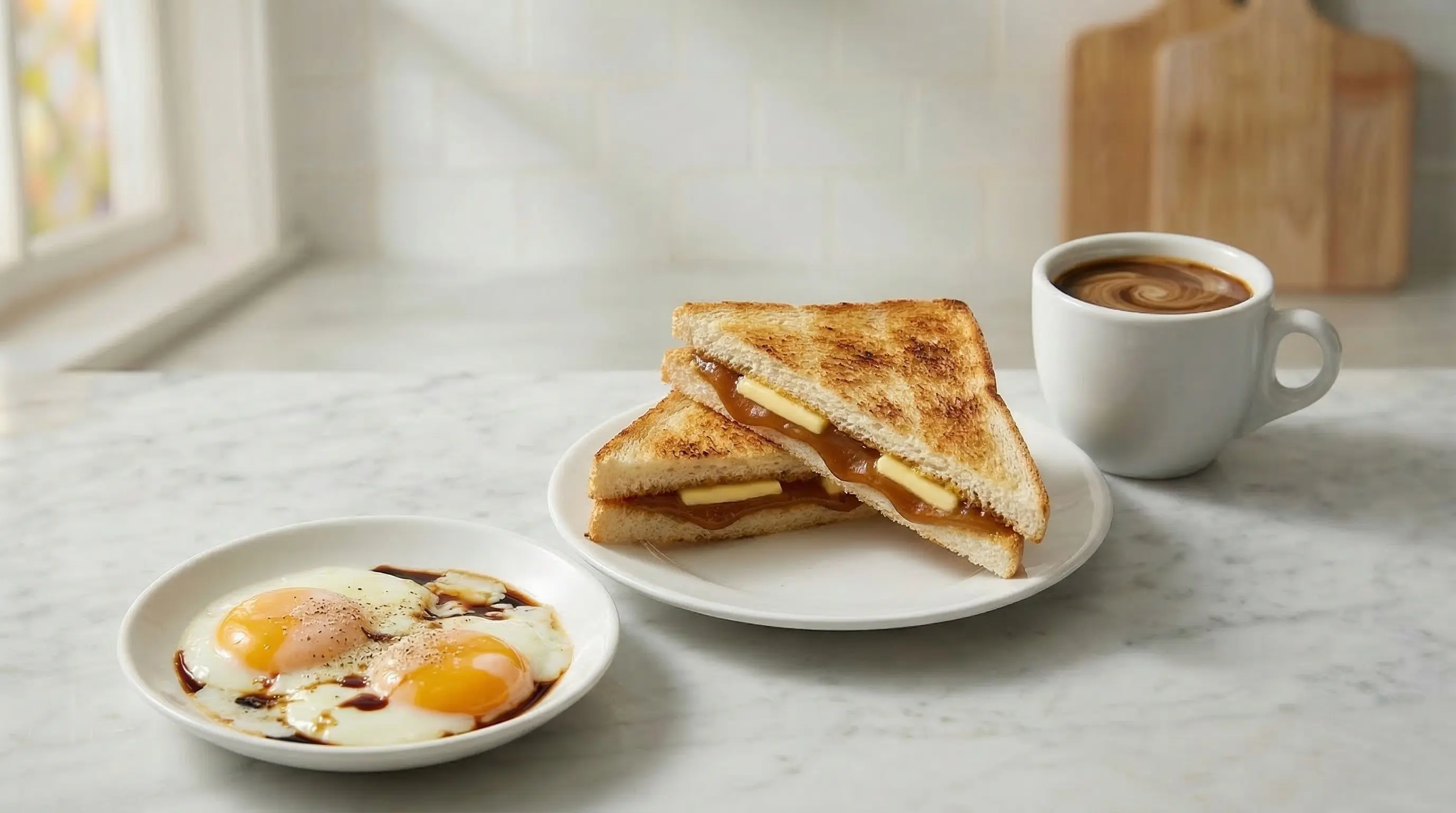
Kaya Toast
Learn how to make authentic kaya toast, Singapore's beloved breakfast of crispy charcoal-toasted bread with rich coconut jam and butter. This iconic kopitiam classic is sweet, savory, and utterly nostalgic!
Ingredients
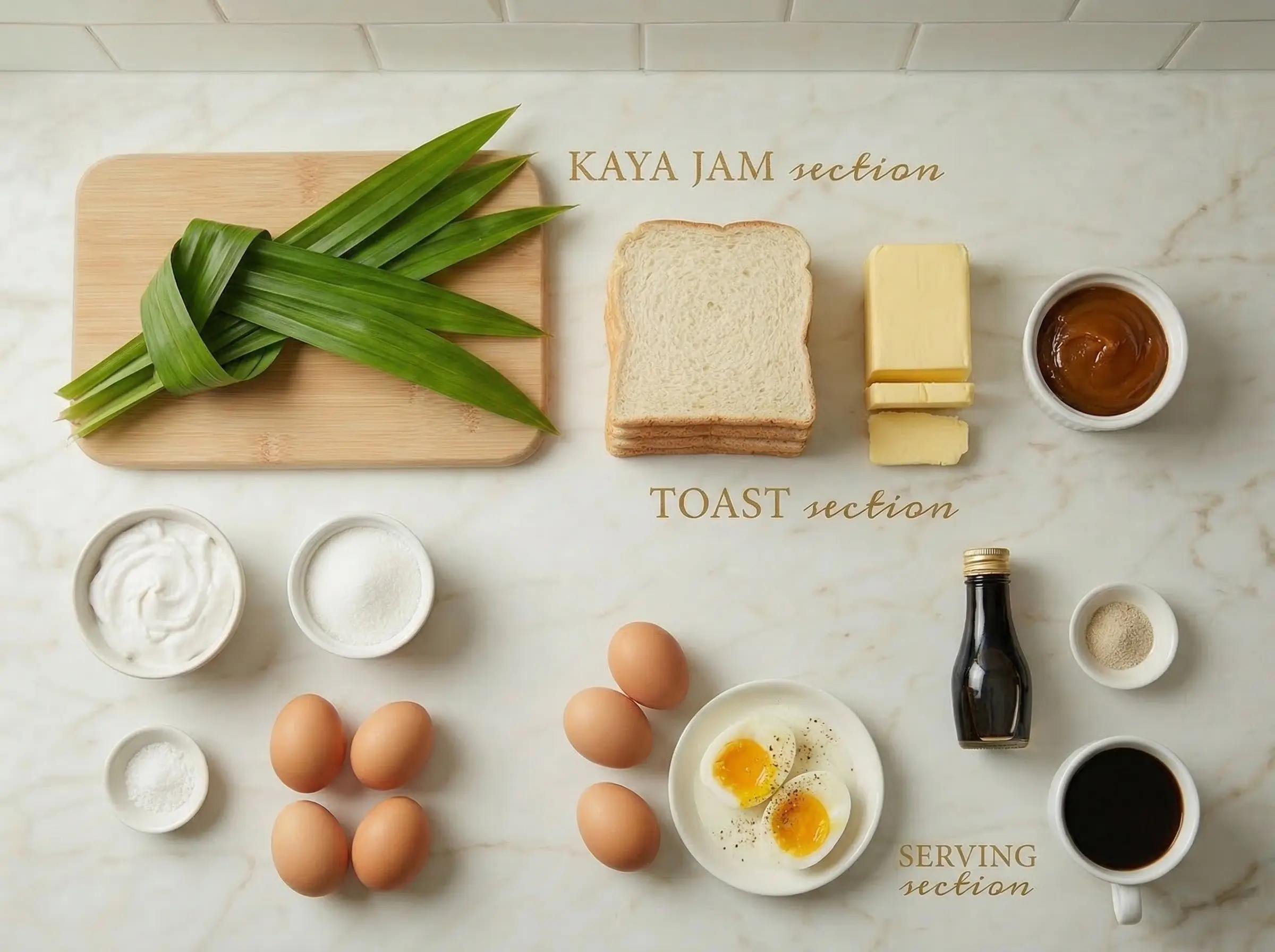
The Story
Kaya toast is Singapore's most beloved breakfast, a deceptively simple combination of charcoal-toasted bread, cold butter, and kaya - a luscious coconut egg jam - that has been fueling Singaporeans for over a century. The dish represents the unique culinary crossroads of Singapore, where Malay, Chinese, and colonial British influences converge. Kaya itself is a Peranakan (Straits Chinese) creation, a jam made by slowly cooking coconut milk, eggs, and sugar, often tinted green with pandan leaves. When paired with toast and butter in the style of British colonial breakfast, kaya toast was born - a perfect marriage of East and West. Kaya toast is inseparable from kopitiam culture - the traditional coffee shops that have been the social heart of Singaporean neighborhoods since the early 1900s. Kopitiam (from Hokkien "kopi" for coffee and Malay "tiam" for shop) served workers and families alike, offering affordable sustenance in a communal setting. Kaya toast became the signature item, served alongside soft-boiled eggs and thick, sweet kopi (coffee with condensed milk). The most famous kaya toast establishments - Ya Kun Kaya Toast, founded in 1944, and Killiney Kopitiam, from 1919 - have become national institutions, with queues forming every morning for their signature charcoal-grilled bread. In 2023, kaya toast was designated part of Singapore's intangible cultural heritage. What makes kaya toast so extraordinary is the interplay of temperatures, textures, and flavors in each bite. The bread, traditionally toasted over charcoal until crispy and slightly smoky, provides warmth and crunch. The butter, sliced cold from a chilled block rather than softened, creates pockets of rich creaminess that slowly melt against the hot bread. The kaya contributes its unique flavor - coconut richness, egg custard silkiness, caramelized sugar sweetness, and the haunting floral fragrance of pandan. Properly eaten, kaya toast is accompanied by soft-boiled eggs seasoned with soy sauce and white pepper, and a cup of strong kopi. The eggs are cracked into a shallow dish, the runny yolks swirled with the whites, and the toast is dipped into this savory pool. The combination of sweet jam, cold butter, smoky toast, and savory egg is Singapore on a plate - multicultural, ingenious, and profoundly satisfying.
Instructions
Step 1
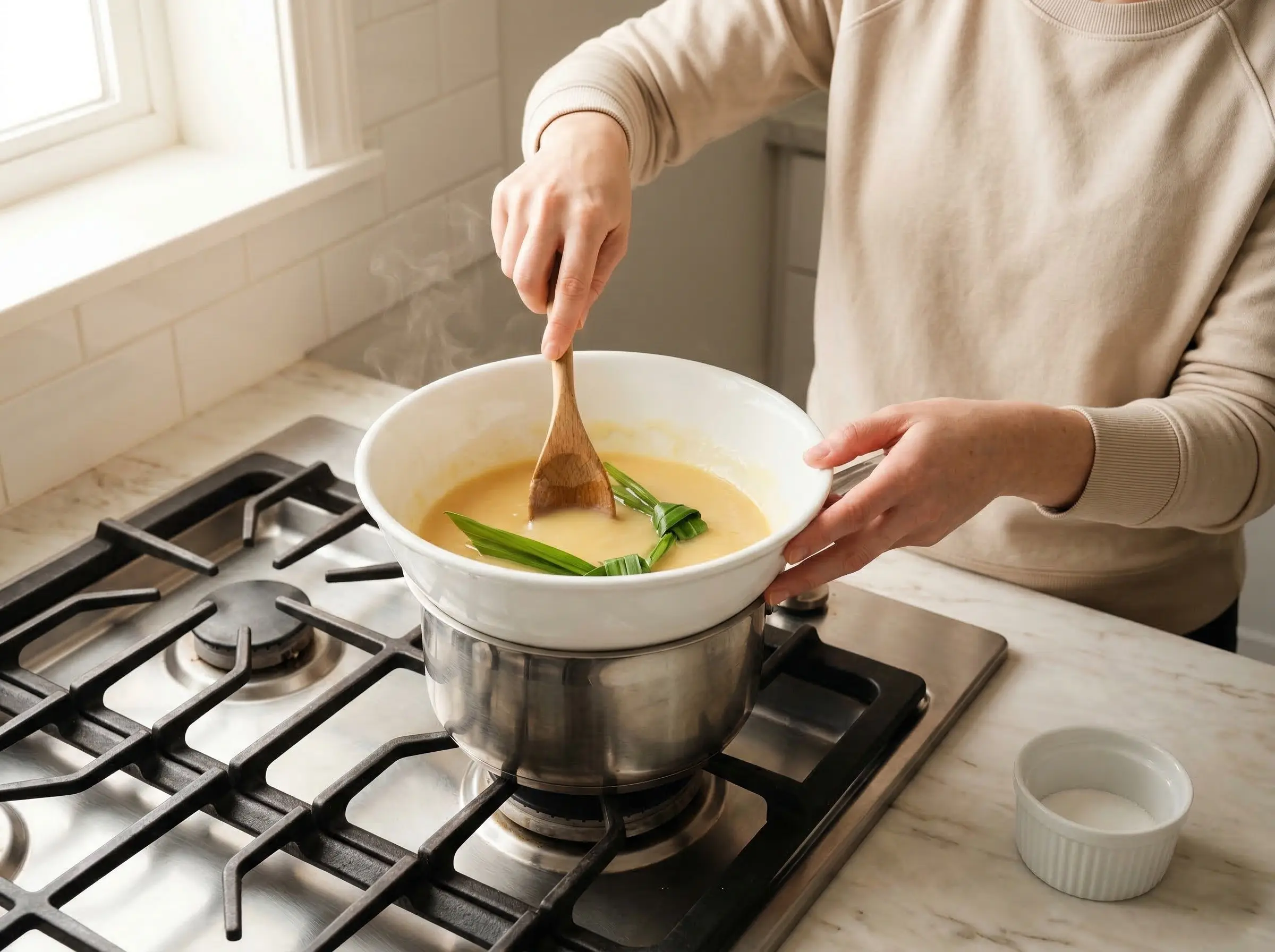
Make the kaya jam (can be done days ahead). In a heatproof bowl, whisk the eggs and sugar until well combined. Add the coconut cream and salt, whisking until smooth. If using pandan leaves, tie them into a knot and add to the mixture. Set the bowl over a pot of simmering water (double boiler method) - the bowl should not touch the water. Cook over low heat, stirring constantly with a wooden spoon or spatula, for 45-60 minutes. The kaya will slowly thicken; patience is essential. Stir continuously to prevent curdling and ensure even cooking.
Step 2
Continue cooking until proper consistency. The kaya is ready when it coats the back of a spoon and leaves a clear trail when you draw your finger through it - similar to a thick custard. The color will deepen to a caramel brown (or green-tinged if using pandan leaves). Remove from heat and discard the pandan leaves. For silky-smooth kaya, strain through a fine-mesh sieve to remove any bits of cooked egg. Transfer to a clean jar and let cool. The kaya will thicken further as it cools. Refrigerate for up to 2 weeks.
Step 3
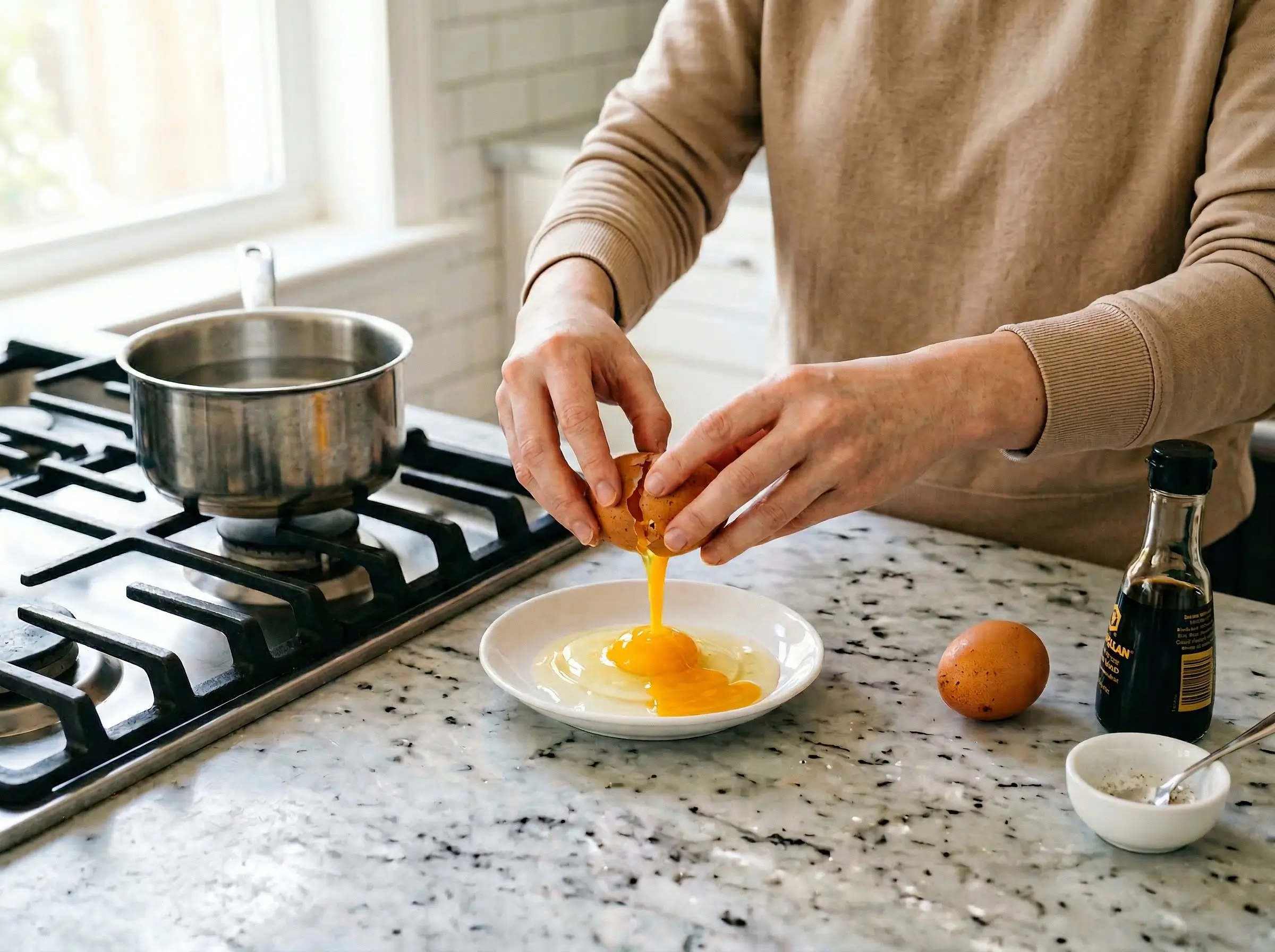
Prepare the soft-boiled eggs. Bring a pot of water to a rolling boil. Gently lower the eggs (at room temperature) into the water. Boil for exactly 6 minutes for traditional Singaporean-style soft-boiled eggs - the whites should be barely set and the yolks completely runny. Immediately remove and place in cool water to stop cooking. The eggs should be just warm, not hot. Crack each egg into a small shallow dish or saucer.
Step 4
Toast the bread. Traditional kaya toast is made with thin-sliced white bread toasted over charcoal for a distinctive smoky flavor. At home, use a toaster, broiler, or grill pan. Toast until golden brown and crispy on both sides - the bread should have some char marks and be thoroughly crisp, not soft in the center. Traditional kopitiam bread is thinner than standard sandwich bread; if using regular bread, toast it well. The crispiness is essential for textural contrast.
Step 5
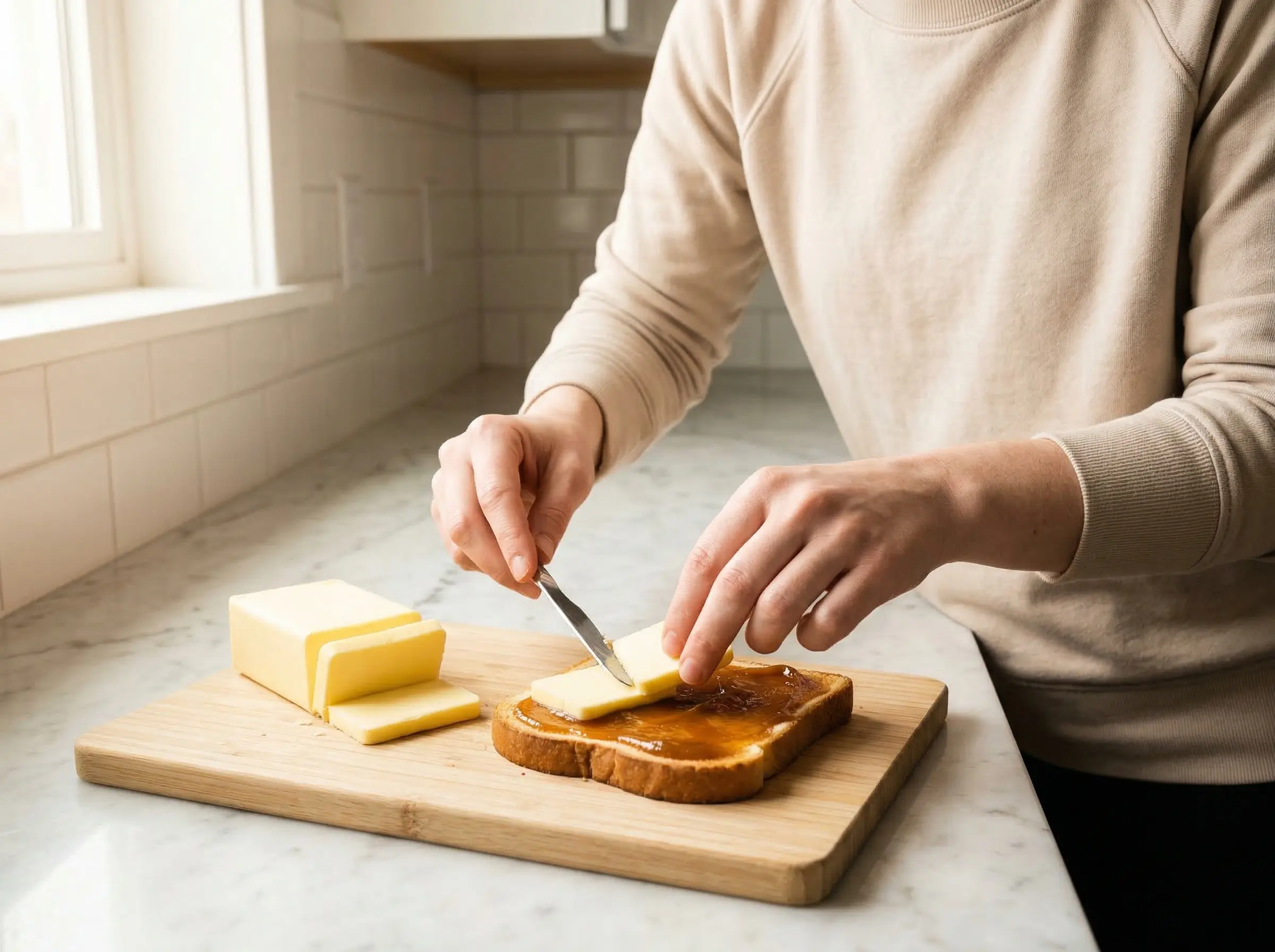
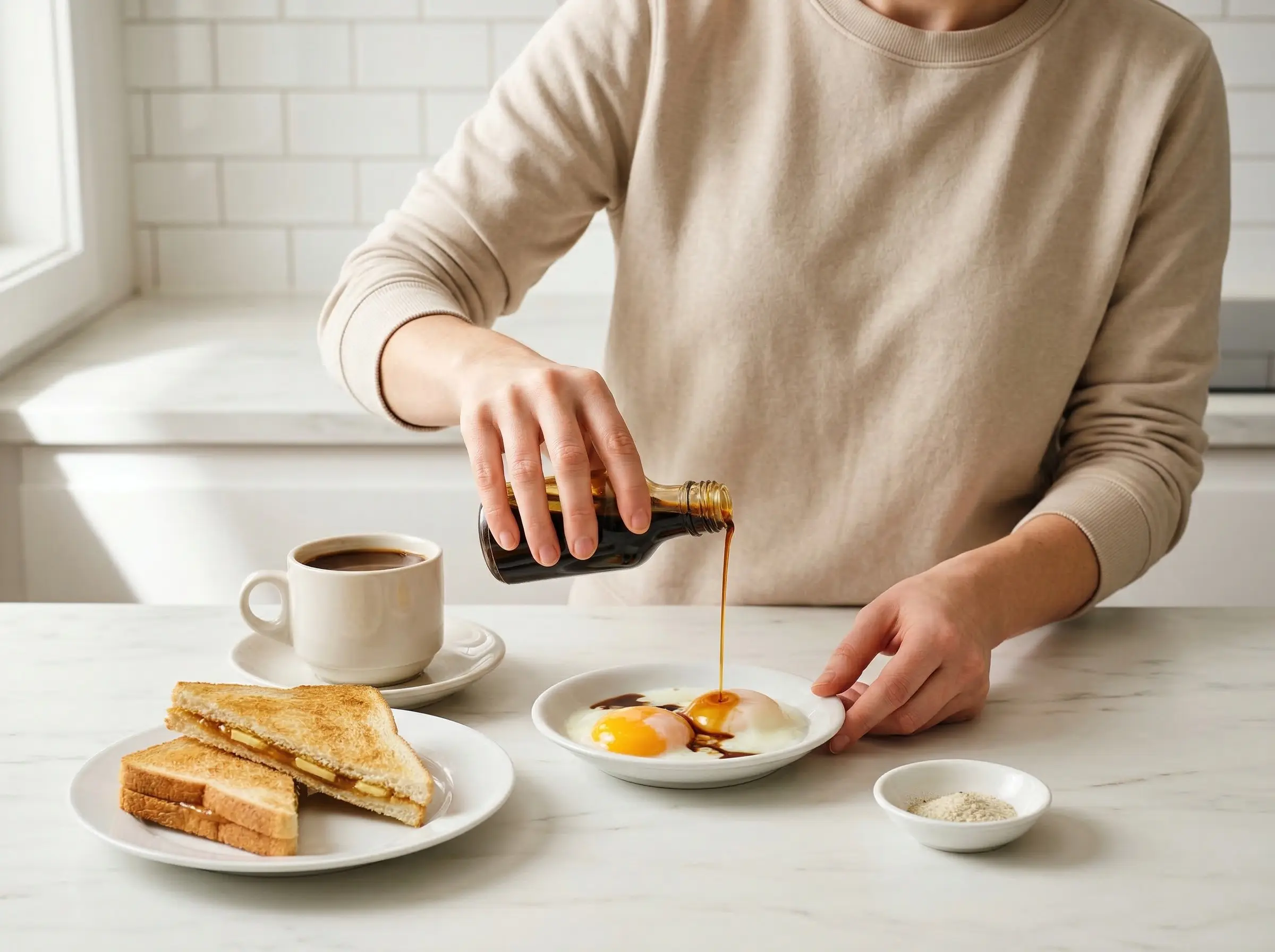
Assemble the kaya toast. Work quickly while the toast is hot. Take the butter directly from the refrigerator and slice it into thin pats - the butter must be cold, not softened. Spread a generous layer of kaya jam on one slice of hot toast. Top with slices of cold butter, distributing them evenly. Place the second slice of toast on top to create a sandwich. Some prefer the butter between the jam and bread; others prefer it on top of the jam. Cut diagonally into triangles or into fingers for traditional presentation.
Step 6
Serve the complete Singaporean breakfast. Season the soft-boiled eggs with dark soy sauce and white pepper to taste - start with about 1/2 tablespoon soy sauce per serving and a generous pinch of white pepper. Use a spoon to gently break and swirl the eggs together. Place the kaya toast on a plate alongside the dish of seasoned eggs. The traditional way to eat is to dip pieces of the buttery kaya toast into the runny eggs, combining sweet, savory, and rich in each bite. Serve with a cup of kopi (coffee with sweetened condensed milk) or kopi-o (black coffee with sugar) for the complete kopitiam experience. Kaya toast is breakfast food but is enjoyed throughout the day in Singapore - mid-afternoon kaya toast with coffee is a cherished ritual. The combination of textures (crispy toast, cold butter melting, silky eggs) and temperatures (hot toast, cold butter, warm eggs) is what makes this simple dish so extraordinary.
You Might Also Like
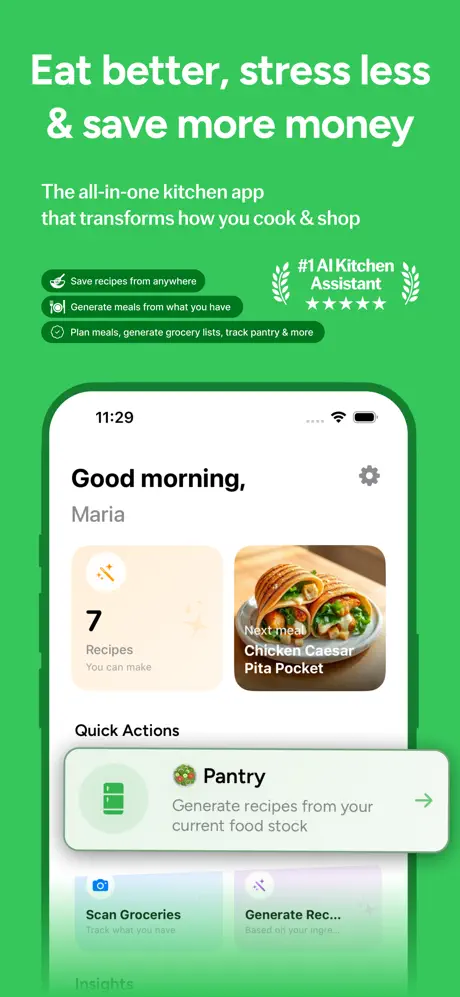
Master Your Kitchen with PantryAI
Love this recipe? Save it, shop for it, and cook it with ease. Download the PantryAI app to organize your pantry, track expirations, and discover recipes based on what you already have.

On a computer?Scan with your iPhone camera to download PantryAI.
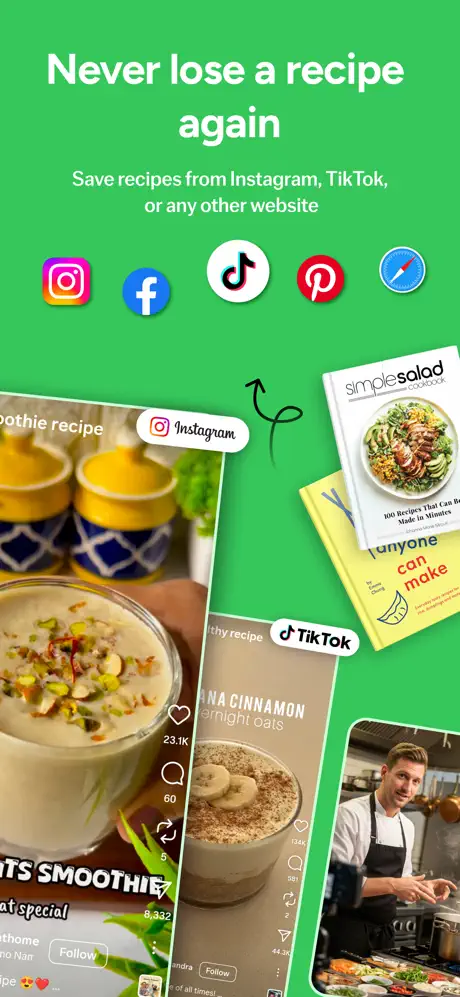
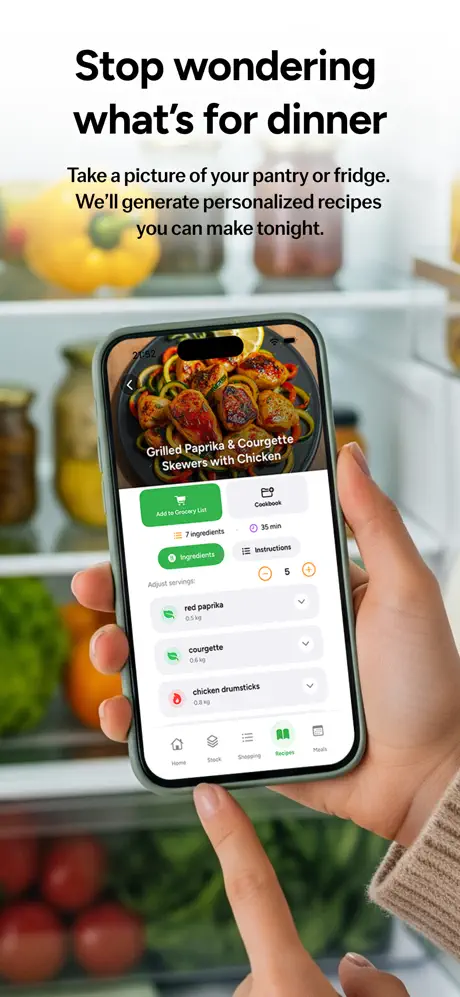
Swipe to see more screenshots