
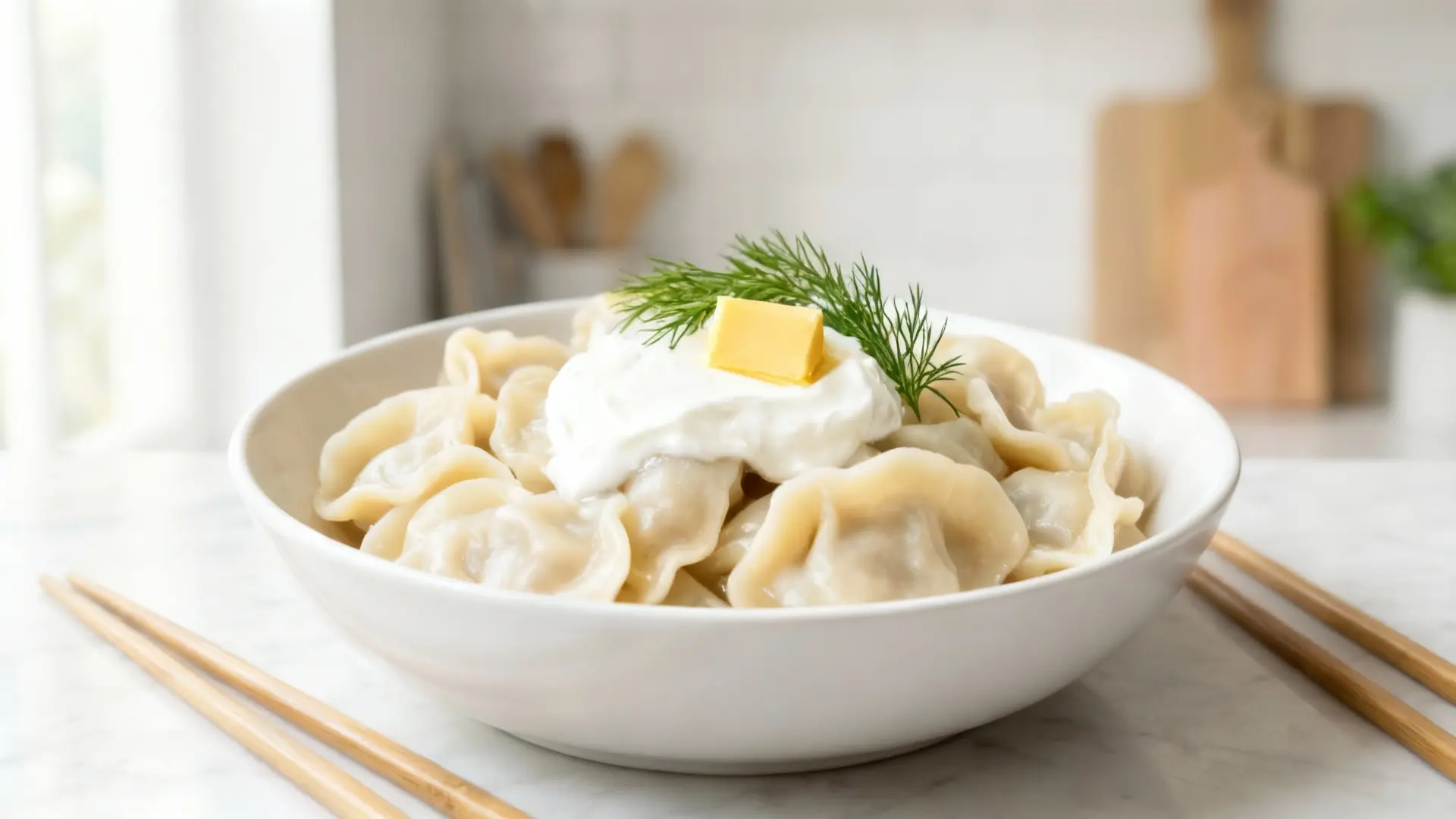
Traditional Pelmeni
Learn how to make authentic pelmeni, traditional Russian meat dumplings with a tender dough and savory filling. Perfect comfort food served with sour cream!
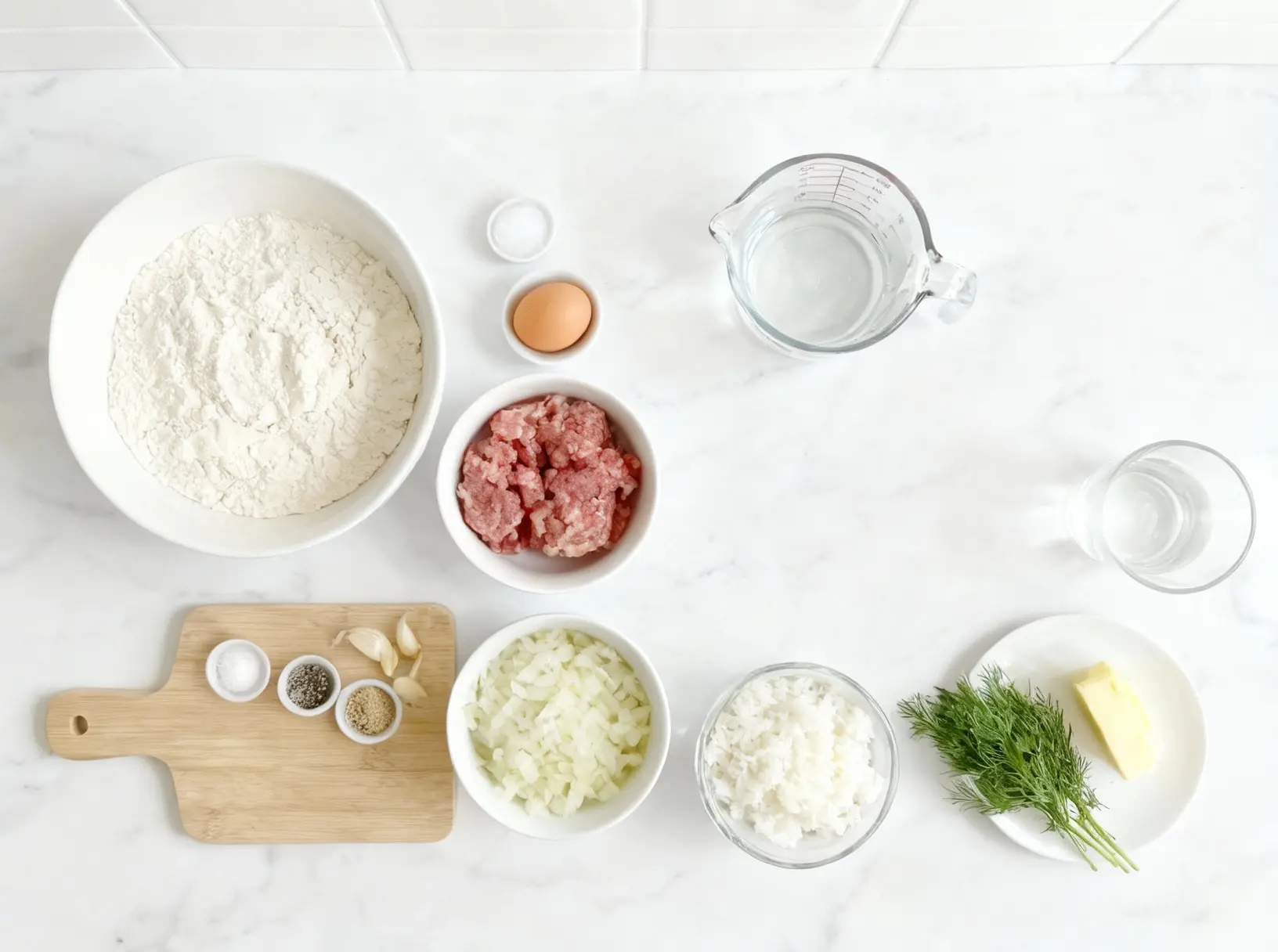
Ingredients
The Story
Pelmeni are traditional Russian dumplings that hold a cherished place in the cuisine and culture of Russia and neighboring countries. The origins of pelmeni are somewhat debated, but most historians believe they were introduced to the Ural Mountains region by Mongol and Turkic peoples during the medieval period, as similar dumplings exist throughout Central Asian cuisines. The name "pelmeni" likely derives from the Komi and Mansi languages of the Ural region, where "pel" means ear and "nyan" means bread, referring to the dumpling's ear-like shape. Another theory suggests it comes from "pelnyan," meaning "bread ear" in the Finno-Ugric languages. Pelmeni became essential to Russian cuisine due to practical necessity in the harsh Siberian climate. Families would gather in late autumn to make enormous batches of pelmeni - sometimes thousands at a time - in a social event called "lepka pelmeni" or dumpling-making. The filled dumplings would be frozen outside in the brutal winter cold, where they could be stored for months, providing a reliable source of protein throughout the long winter. Hunters and travelers would carry frozen pelmeni on expeditions, boiling them as needed for quick, nourishing meals. This tradition of communal dumpling-making continues today, with families gathering to make pelmeni together, sharing stories and passing down techniques through generations. What makes pelmeni special is their simplicity and versatility. The dough is a basic mixture of flour, water, and eggs, rolled thin and delicate. The filling is traditionally a mixture of ground meats - usually beef and pork, sometimes with lamb - seasoned simply with onion, salt, and pepper. Unlike their cousin vareniki which can have various fillings including potato and cheese, pelmeni are specifically meat dumplings. They are typically smaller and more delicate than Polish pierogi or Chinese dumplings. Served simply with butter, sour cream, vinegar, or a combination thereof, pelmeni represent the soul of Russian comfort food - humble ingredients transformed into something deeply satisfying and nostalgic.
Instructions
Step 1
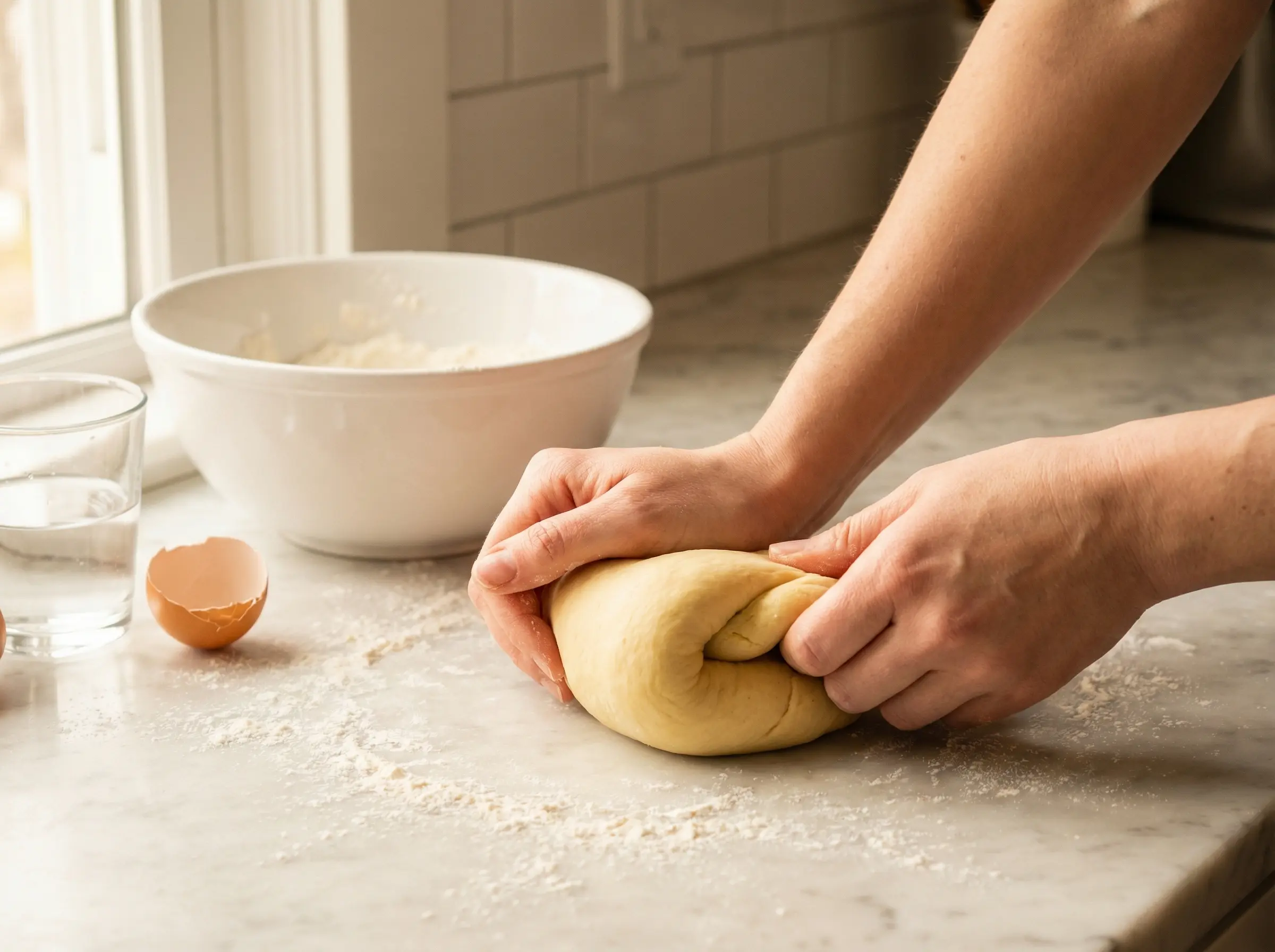
Make the dough by combining the flour and salt in a large mixing bowl. Make a well in the center and add the egg and water. Using a fork, gradually mix the flour into the wet ingredients, starting from the inner edges of the well. Once the mixture becomes too stiff to stir, turn it out onto a lightly floured surface and knead by hand for 8-10 minutes until the dough is smooth, elastic, and no longer sticky. The dough should be firm but pliable. If it feels too dry and crumbly, add water one teaspoon at a time. If too sticky, add flour one tablespoon at a time. Shape the dough into a ball, wrap it tightly in plastic wrap, and let it rest at room temperature for at least 30 minutes. This resting period allows the gluten to relax, making the dough easier to roll out thin.
Step 2
While the dough rests, prepare the filling. In a large bowl, combine the ground beef, ground pork, finely minced onion, minced garlic, salt, black pepper, and allspice. The onion should be minced as finely as possible - some people even grate it or pulse it in a food processor to create almost a paste. Add the 3 tablespoons of cold water to the meat mixture. Using your hands or a large spoon, mix everything together thoroughly until well combined and the mixture becomes slightly sticky. The water helps keep the filling moist during cooking. The filling should be well-seasoned - taste a small amount by cooking a tiny piece in a skillet if you want to check the seasoning before filling all your dumplings. Cover and refrigerate the filling until ready to use.
Step 3
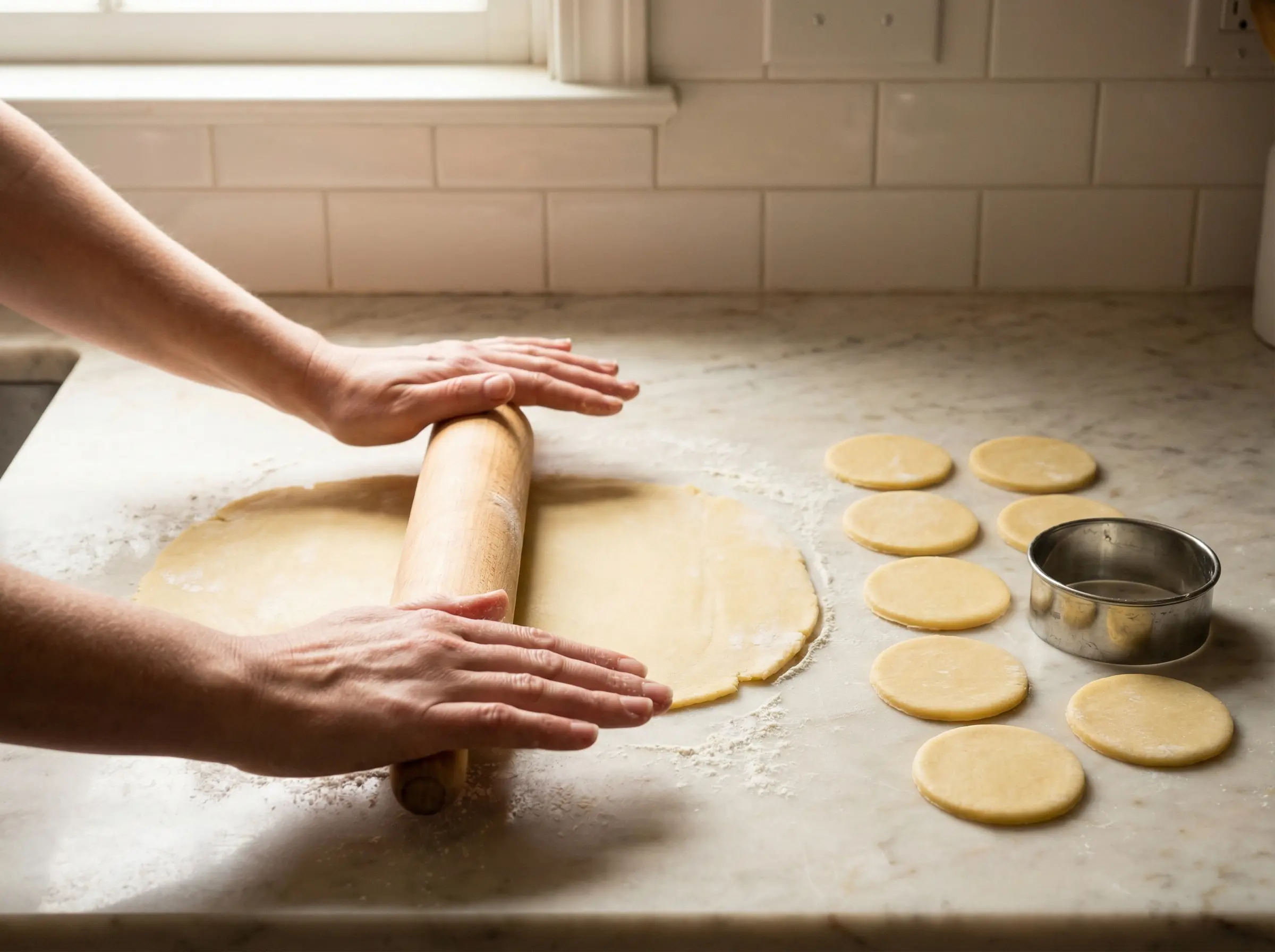
Once the dough has rested, divide it into 4 equal portions to make rolling easier. Keep the portions you are not working with covered to prevent drying. On a lightly floured surface, roll out one portion of dough as thin as possible - aim for about 1/16 inch thick, almost translucent. The thinner the dough, the more delicate and tender the pelmeni will be. Using a round cookie cutter or glass about 2.5 to 3 inches in diameter, cut out circles of dough. Gather the scraps, knead them together gently, and let rest for a few minutes before re-rolling to cut more circles. You should get about 12-15 circles per portion of dough.
Step 4
To form the pelmeni, place a circle of dough in the palm of your hand. Add about 1 teaspoon of filling to the center - do not overfill or they will burst during cooking. Fold the dough in half over the filling to create a half-moon shape, pressing the edges firmly together to seal. Make sure there are no air pockets and the seal is tight. Then, bring the two pointed ends of the half-moon together and pinch them to join, creating the distinctive ear-like shape. The shape should resemble a little hat or tortellini. Place the formed pelmeni on a lightly floured baking sheet or plate, making sure they do not touch each other or they will stick together. Repeat with remaining dough and filling. This process goes faster with practice, and it is traditionally a family activity where everyone helps fold.
Step 5
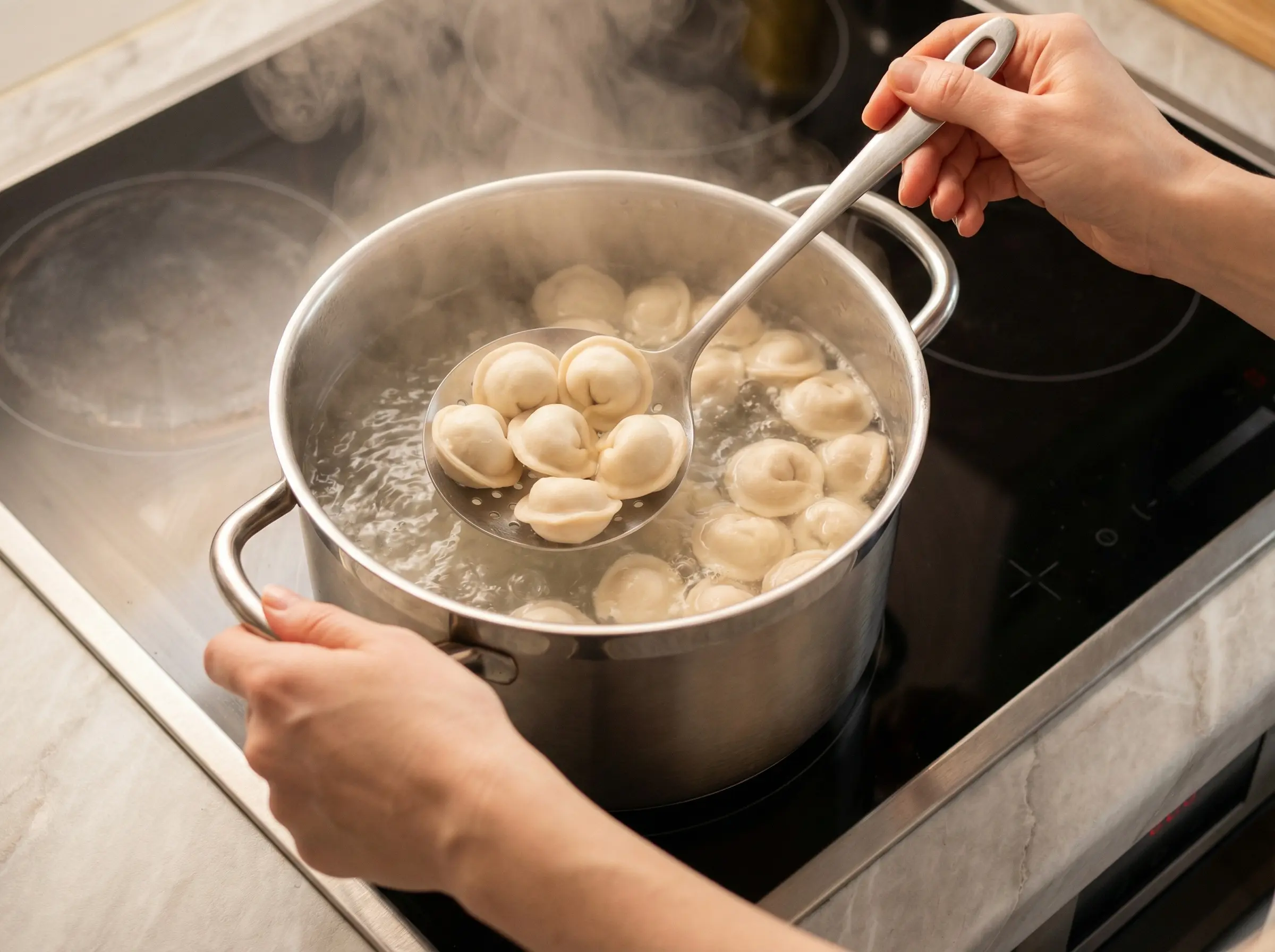
At this point, you can cook the pelmeni immediately or freeze them for later. To freeze, place the baking sheet with formed pelmeni in the freezer for 1-2 hours until frozen solid, then transfer to freezer bags. Frozen pelmeni can be stored for up to 3 months and cooked directly from frozen. To cook the pelmeni, bring a large pot of salted water to a rolling boil. The water should be well-salted, like pasta water. Gently drop the pelmeni into the boiling water, stirring immediately and gently to prevent sticking. Do not overcrowd the pot - cook in batches if necessary. Fresh pelmeni will float to the surface after 3-4 minutes and need to cook for about 1-2 minutes after floating. Frozen pelmeni will take 5-7 minutes after floating. They are done when they float and the dough is tender and cooked through.
Step 6
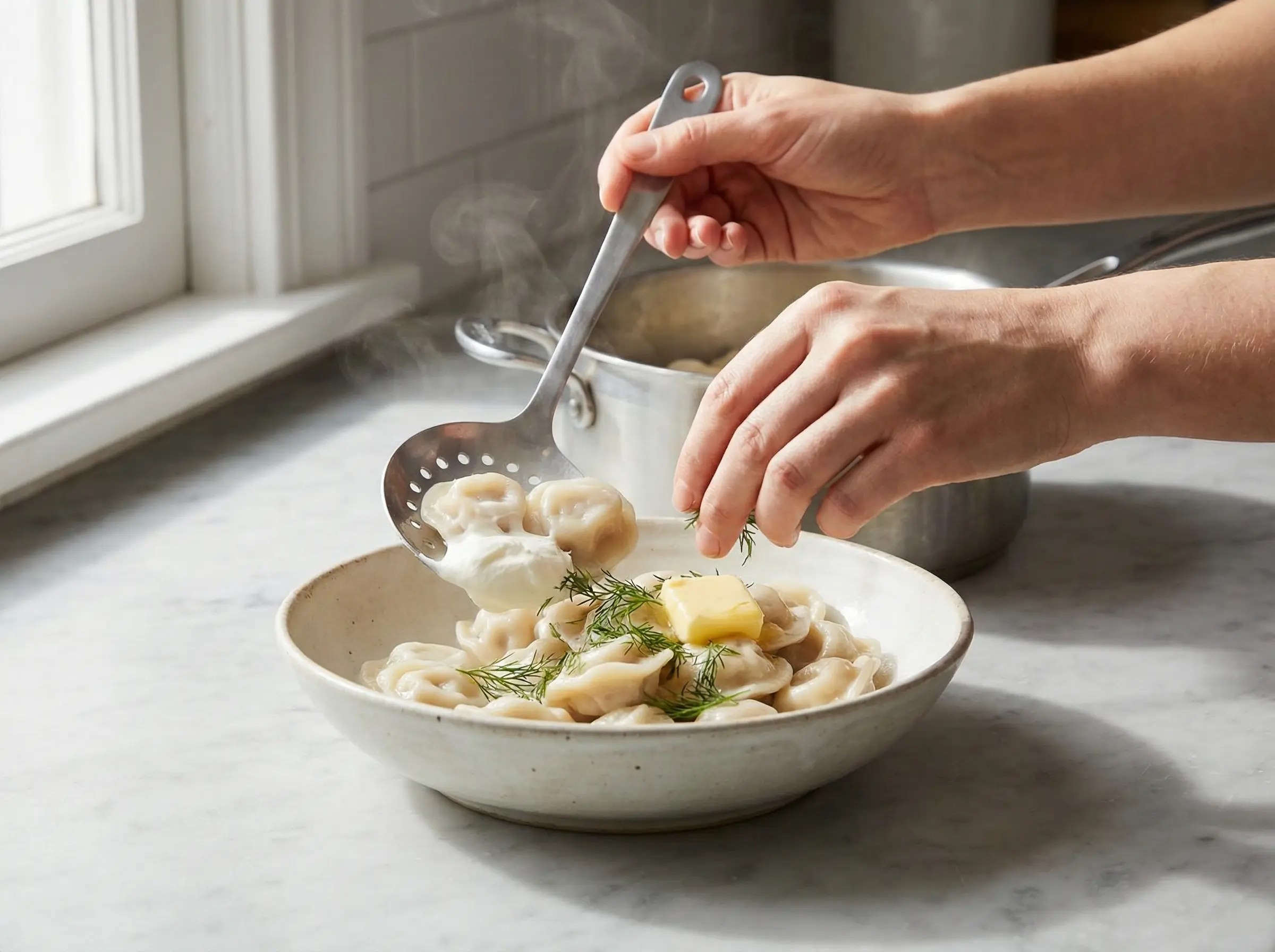
Using a slotted spoon, carefully remove the cooked pelmeni from the water and transfer to serving bowls. Drain well. Traditionally, pelmeni are served very simply to let the delicate dumpling shine. Top with a generous pat of butter and a large dollop of sour cream. Garnish with fresh chopped dill and a crack of black pepper. Some people also like to serve them with a splash of vinegar or a drizzle of melted butter mixed with vinegar. The sour cream is essential - it provides a cool, tangy contrast to the hot, savory dumplings. Serve immediately while hot. Pelmeni are comfort food at its finest, especially on cold winter days. Leftover cooked pelmeni can be pan-fried in butter the next day for a crispy exterior.
You Might Also Like
Master Your Kitchen with PantryAI
Love this recipe? Save it, shop for it, and cook it with ease. Download the PantryAI app to organize your pantry, track expirations, and discover recipes based on what you already have.

On a computer?Scan with your iPhone camera to download PantryAI.








Swipe to see more screenshots