
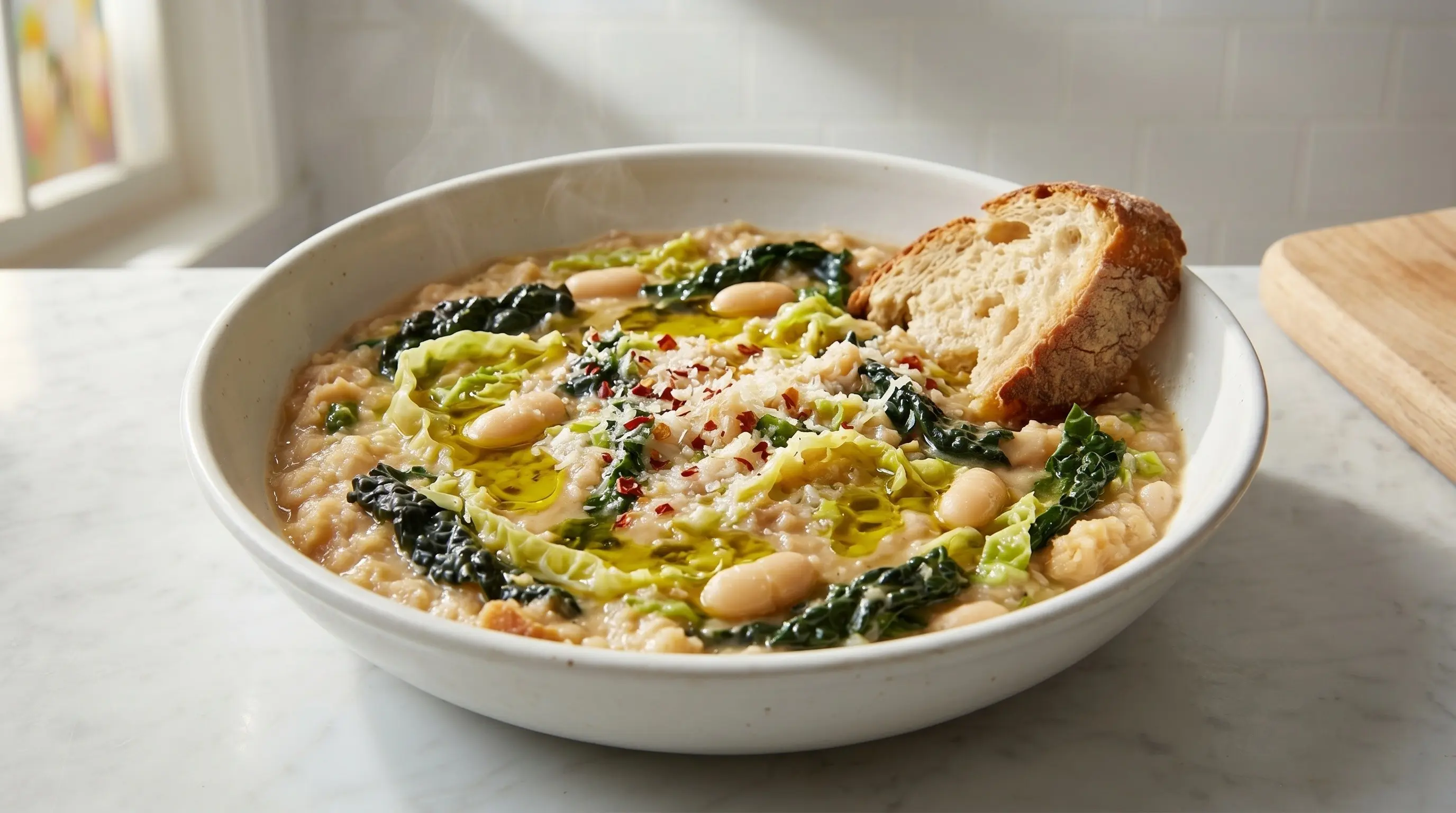
Ribollita
Learn how to make authentic ribollita, the hearty Tuscan soup of cannellini beans, cavolo nero, and stale bread that becomes impossibly thick and satisfying. This cucina povera classic is Italian comfort food at its finest!
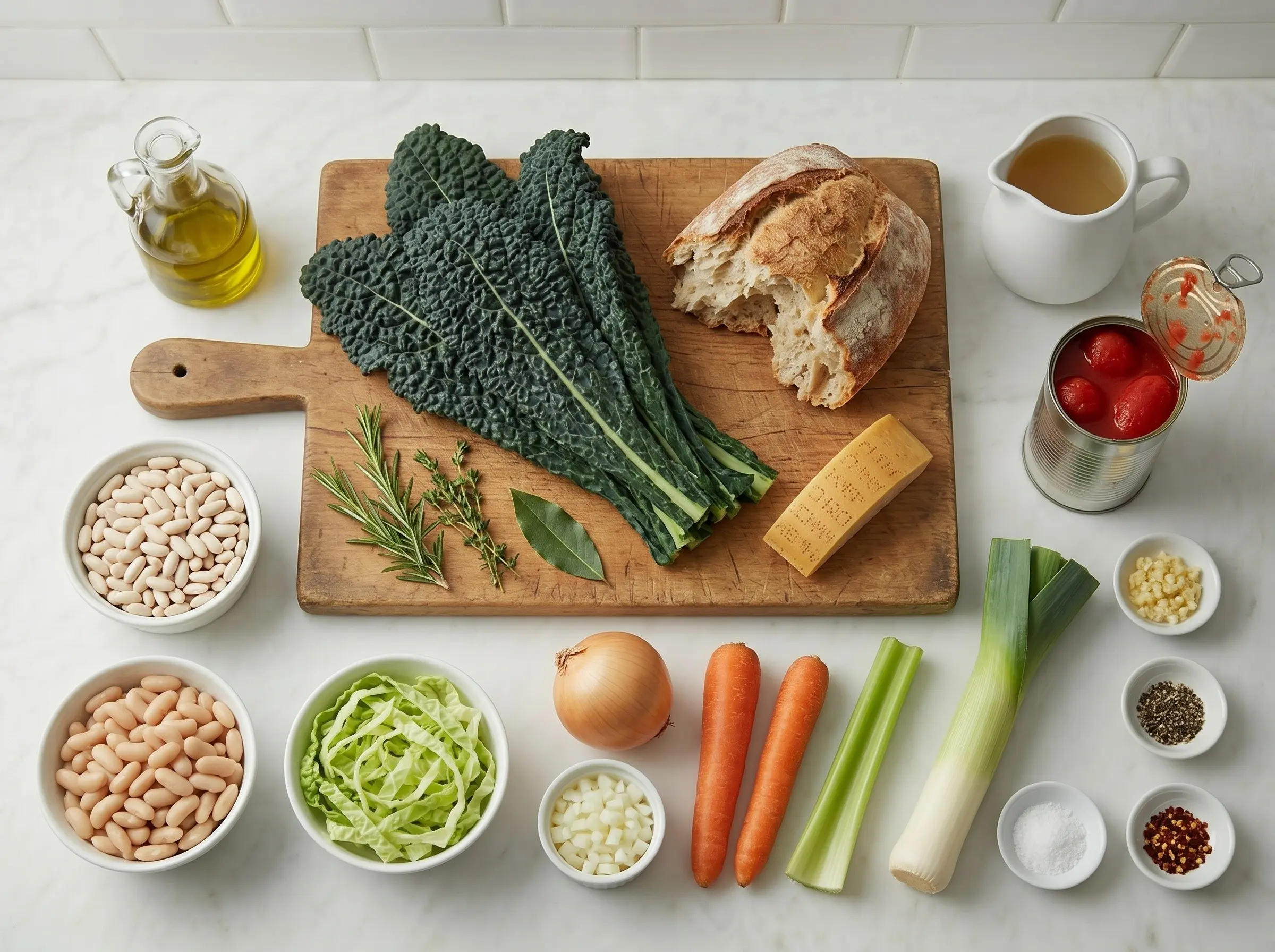
Ingredients
The Story
Ribollita is the soul of Tuscan cucina povera, a thick, hearty soup of beans, dark leafy greens, vegetables, and stale bread that exemplifies the Italian genius for transforming humble ingredients into something extraordinary. The name means "reboiled" in Italian, referring to the traditional practice of making a large pot of vegetable and bean soup, then reheating it over successive days with additional bread until it becomes so thick that a wooden spoon stands upright in the pot. This is not soup to be sipped delicately - ribollita is substantial, almost stew-like, a meal that sustained Tuscan peasants and farmers through cold winters for centuries. The dish has its roots in the frugal kitchens of rural Tuscany, where nothing was wasted. Stale bread, too hard to eat on its own, found new life when simmered in soup, breaking down to thicken the broth and absorb its flavors. Cannellini beans, a Tuscan staple, provided protein and creaminess. Cavolo nero (Tuscan black kale, also called lacinato or dinosaur kale) contributed earthy depth and nutrition. Whatever vegetables were available - carrots, celery, onions, tomatoes, zucchini - went into the pot. The soup was made on one day, then reboiled and improved on subsequent days, each reheating concentrating the flavors and thickening the texture. What makes ribollita so extraordinary is the alchemy that occurs when bread meets broth. Unlike soups where bread is merely a garnish, in ribollita the bread dissolves into the liquid, creating a texture that is impossibly thick, almost porridge-like, yet still recognizable as soup. The cannellini beans, some left whole and some mashed, contribute their creamy starch. The cavolo nero softens but retains its character, providing pockets of earthy, slightly bitter green throughout. The final drizzle of raw, peppery Tuscan olive oil - absolutely essential - brings everything into focus. Ribollita is best made a day ahead and reheated, honoring its name and tradition. It is proof that poverty can produce cuisine, that necessity truly is the mother of invention.
Instructions
Step 1
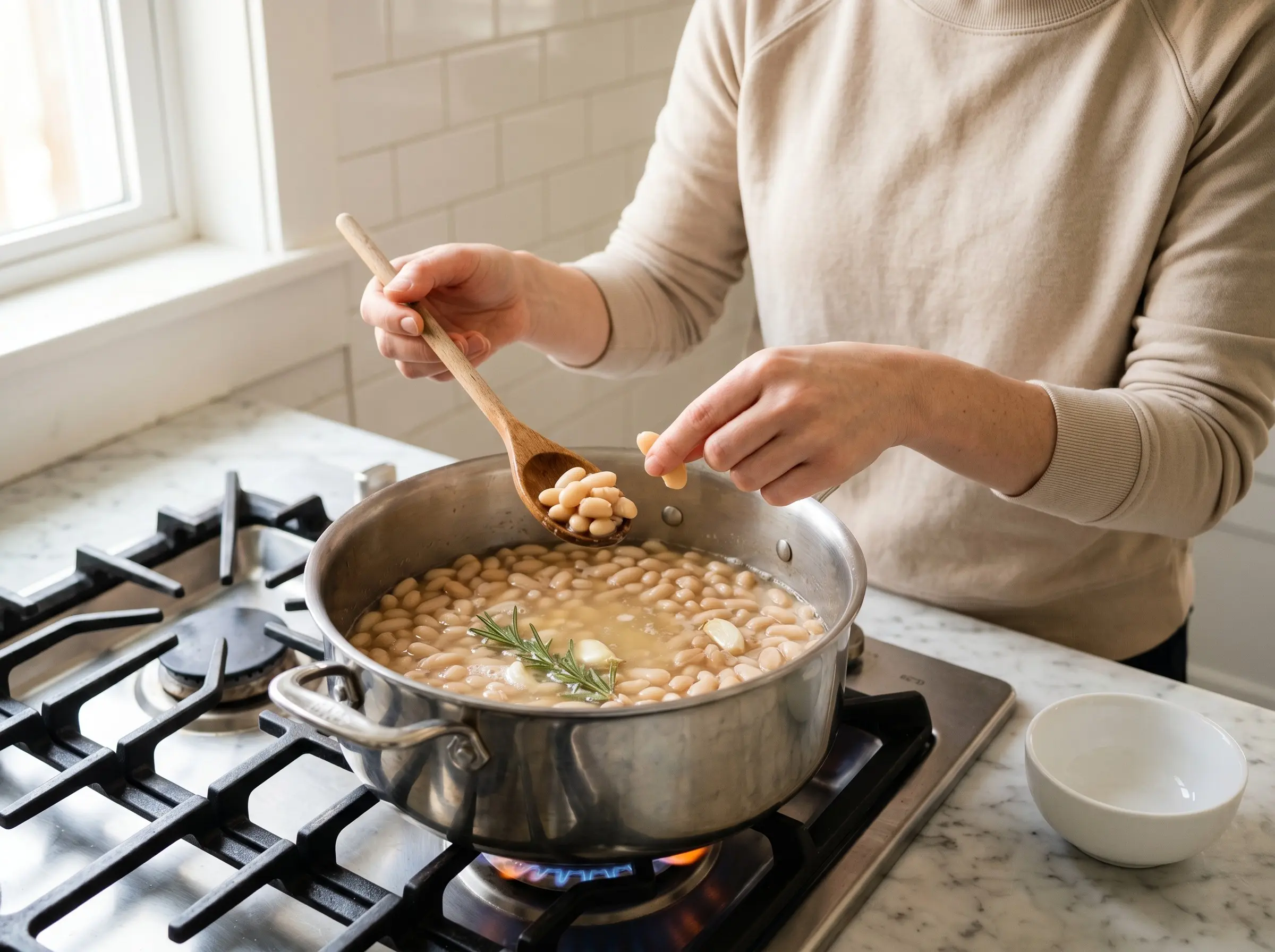
Cook the beans if using dried. Drain the soaked beans and place in a large pot. Cover with fresh water by 3 inches. Add a few garlic cloves, a sprig of rosemary, and a drizzle of olive oil. Bring to a boil, then reduce to a gentle simmer. Cook for 1 to 1.5 hours until the beans are completely tender and creamy. Season with salt in the last 15 minutes of cooking. Reserve the cooking liquid. If using canned beans, drain and rinse them, then proceed.
Step 2
Prepare the vegetables. Strip the cavolo nero leaves from their tough central stems and roughly chop the leaves. Remove the core from the cabbage and slice into ribbons. Dice the carrots, celery, and onion into small pieces. Slice the leek and rinse well to remove any grit. Mince the garlic. Crush the canned tomatoes by hand or with a fork.
Step 3
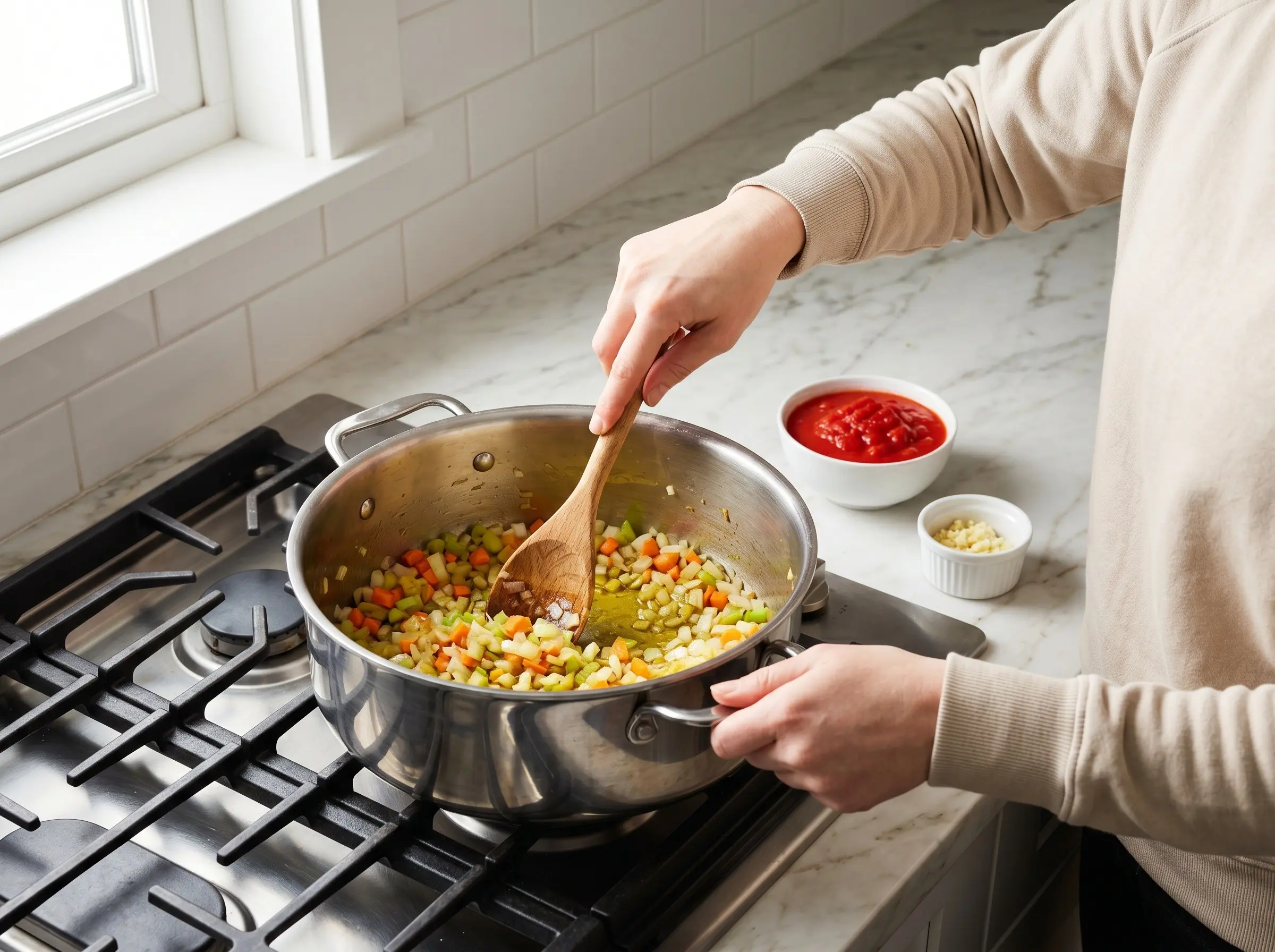
Build the soup base. Heat the olive oil in a large Dutch oven or heavy pot over medium heat. Add the onion, carrots, celery, and leek with a pinch of salt. Cook for 10-12 minutes, stirring occasionally, until the vegetables are soft and beginning to caramelize. Add the garlic and cook for another minute until fragrant. Add the crushed tomatoes and cook for 5 minutes until slightly reduced.
Step 4
Add beans and greens. Add about two-thirds of the cooked beans to the pot, reserving the rest. Add the vegetable broth (or water plus bean cooking liquid), rosemary, thyme, bay leaf, and Parmesan rind if using. Bring to a simmer. Add the cavolo nero and cabbage, pushing them down into the liquid. Simmer for 30-40 minutes until the greens are very tender and the flavors have melded.
Step 5
Mash remaining beans and add bread. Using a fork or potato masher, mash the reserved beans into a rough paste. Stir this paste into the soup - it will thicken the broth significantly. Remove the herb sprigs, bay leaf, and Parmesan rind. Add the torn stale bread, pushing the pieces down into the liquid. The bread should be stale enough to absorb liquid without immediately becoming mush. Simmer for another 15-20 minutes, stirring occasionally, until the bread has broken down and the soup is very thick.
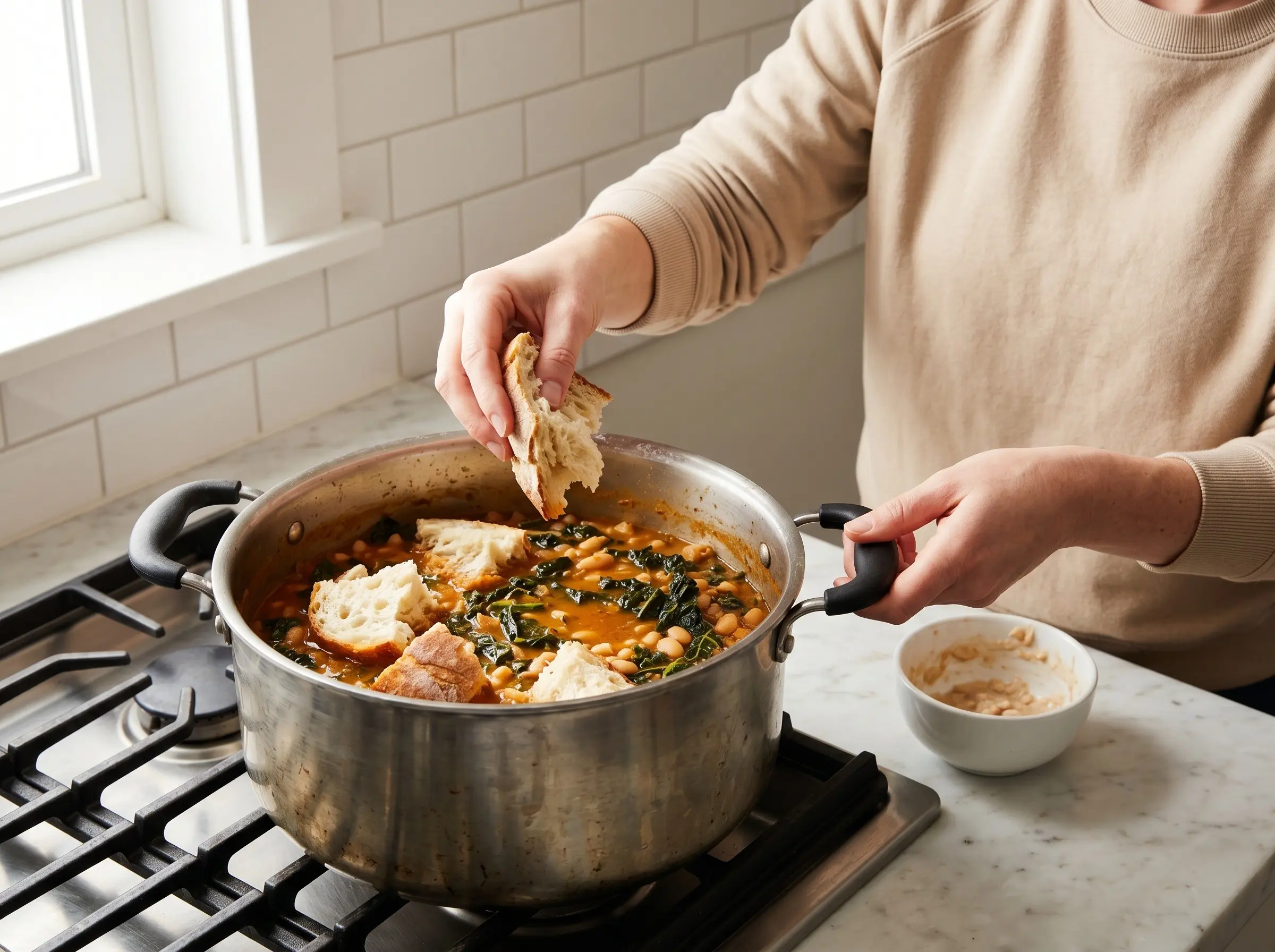
Step 6
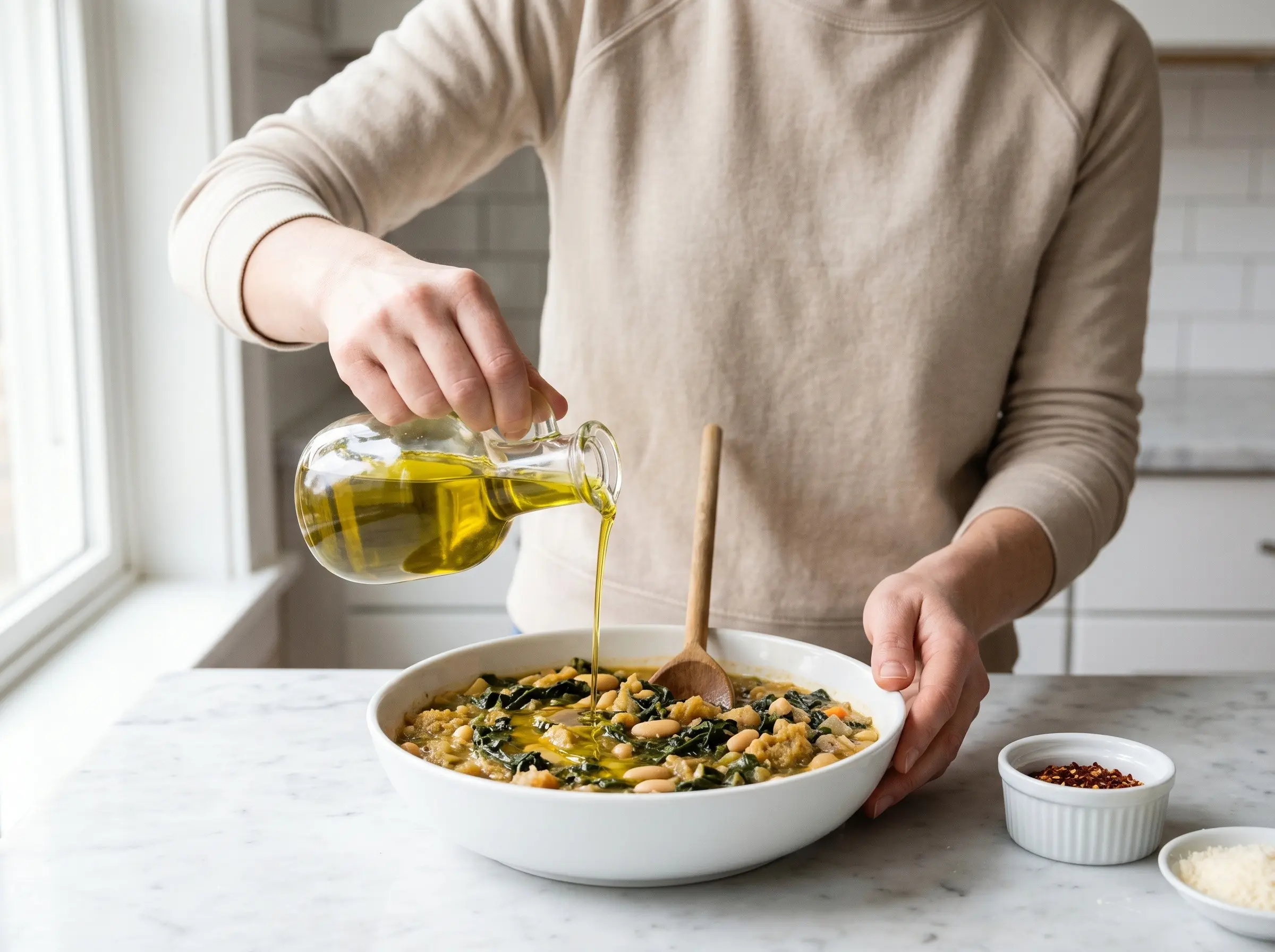
Rest, reheat, and serve. For authentic ribollita, let the soup cool, then refrigerate overnight. The next day, reheat gently over low heat, adding a splash of water or broth if too thick. This reboiling is where the dish gets its name and develops its best flavor and texture. The soup should be thick enough that a wooden spoon stands up in it. Taste and adjust seasoning with salt and pepper. Serve in warm bowls with a generous drizzle of your best extra virgin olive oil - this final flourish is absolutely essential. A sprinkle of red pepper flakes and a grating of Parmesan are optional but welcome. Ribollita is even better on the third day. It is peasant food elevated by time and tradition.
You Might Also Like
Master Your Kitchen with PantryAI
Love this recipe? Save it, shop for it, and cook it with ease. Download the PantryAI app to organize your pantry, track expirations, and discover recipes based on what you already have.

On a computer?Scan with your iPhone camera to download PantryAI.








Swipe to see more screenshots