
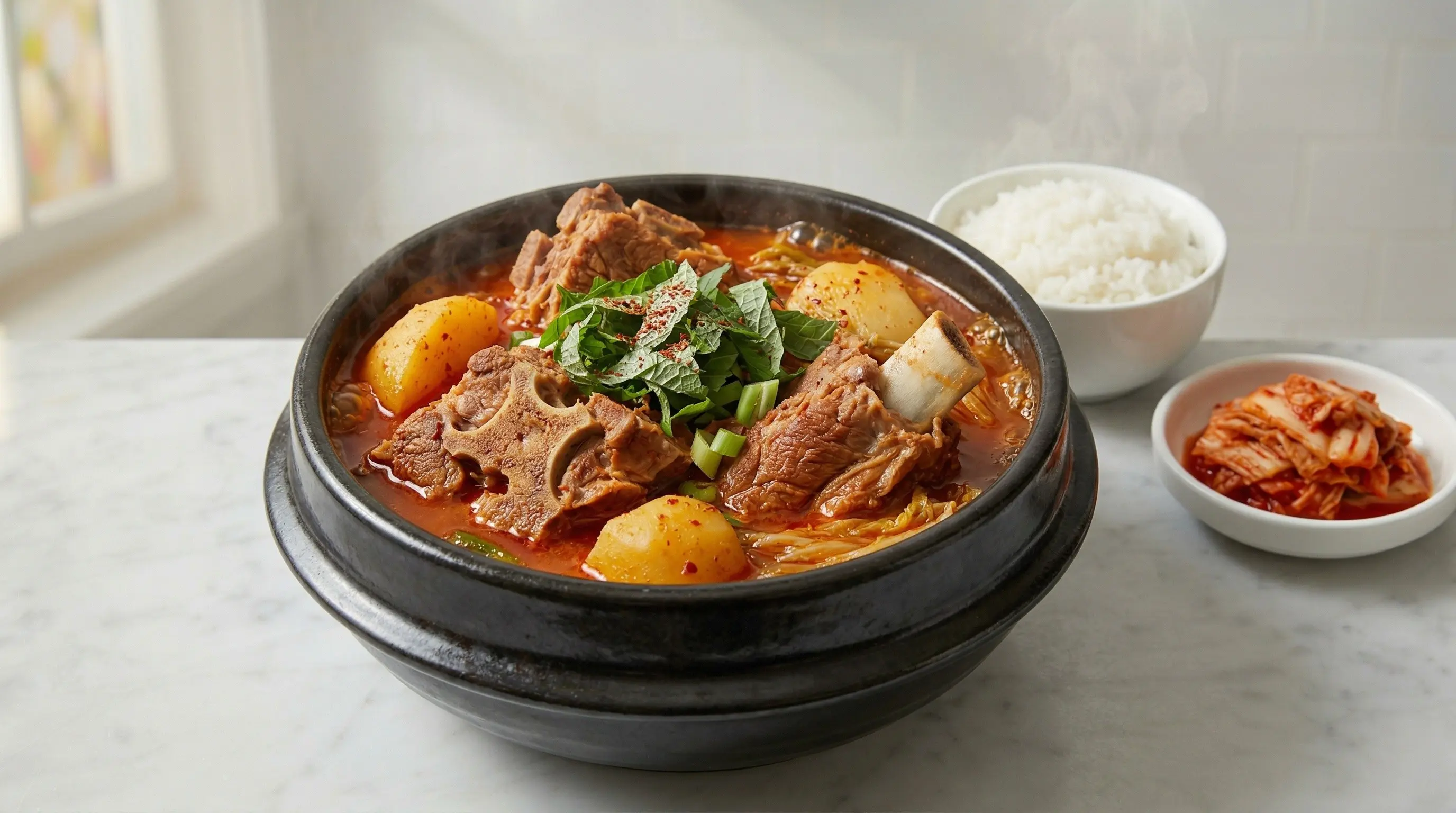
Gamjatang
Learn how to make authentic gamjatang, Korea's hearty pork bone soup with fall-off-the-bone meat, potatoes, and spicy gochugaru broth. This soul-warming Korean classic is the ultimate comfort food!
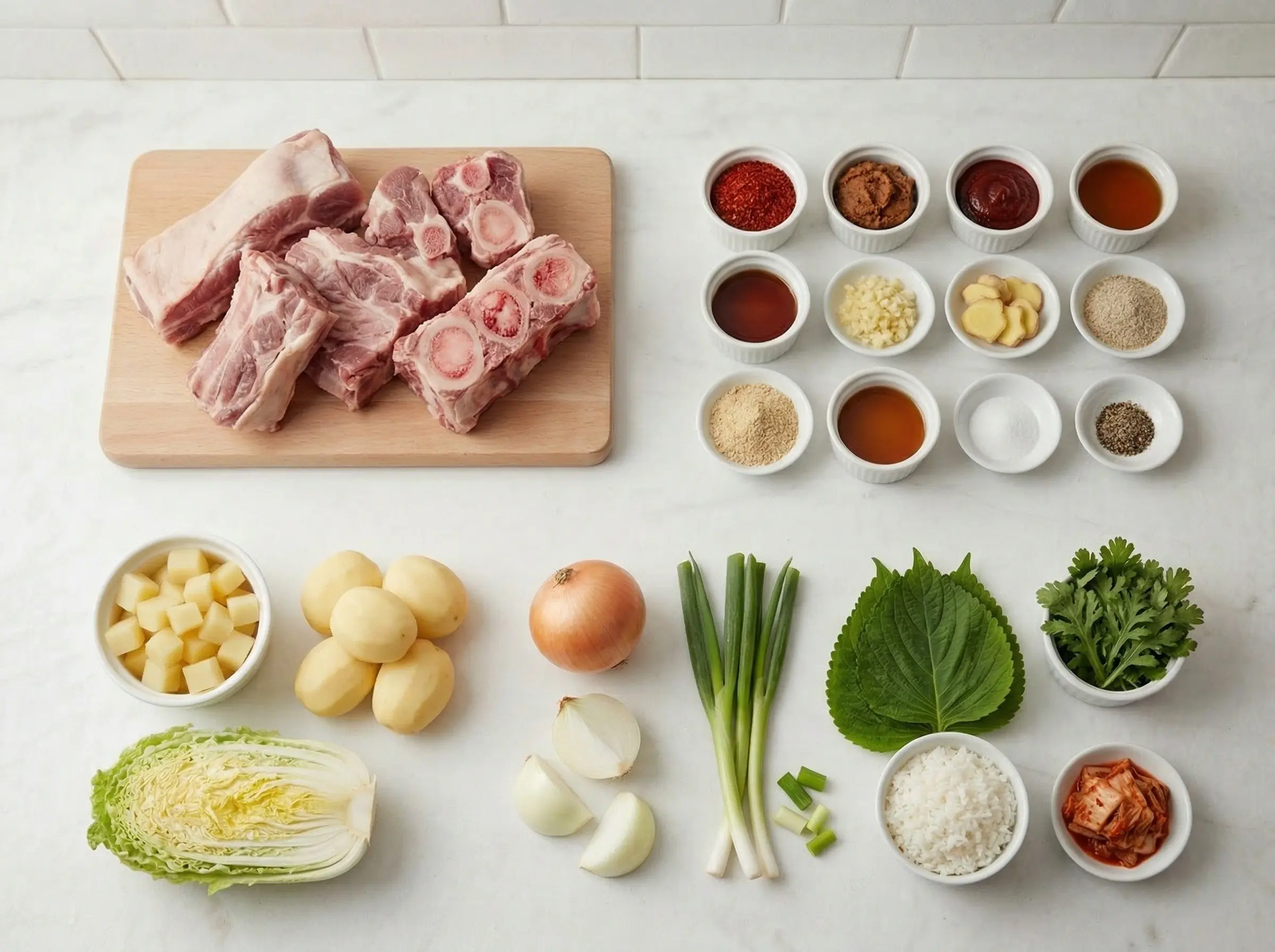
Ingredients
The Story
Gamjatang is one of Korea's most satisfying soups, a hearty, spicy stew of pork neck bones or spine simmered until the meat falls off the bone, enriched with potatoes, vegetables, and a fiery red broth. The name is often mistranslated as "potato soup" because "gamja" means potato in modern Korean, but food historians believe the name actually derives from an older term for pork spine or the marrow within the bones. Regardless of etymology, potatoes have become an essential component, absorbing the rich, spicy broth and providing starchy comfort alongside the succulent pork. Gamjatang has working-class origins, emerging as a hearty, economical meal that transformed humble pork bones into something deeply nourishing. The dish is associated with the Jeolla province in southwestern Korea, though it is now beloved nationwide. In Seoul and other cities, 24-hour gamjatang restaurants serve construction workers finishing night shifts, students studying late, and revelers seeking sustenance after nights of drinking. The soup is considered a perfect hangover cure, its rich broth and spicy heat believed to restore the body and clear the head. Many gamjatang specialists operate through the night, their bubbling pots a beacon for those seeking comfort at any hour. What makes gamjatang so extraordinary is the depth of flavor extracted from hours of simmering pork bones. The neck bones and spine contain rich marrow that melts into the broth, creating a gelatinous, deeply savory base. The meat clinging to the bones becomes impossibly tender, falling away at the touch of chopsticks. The broth is seasoned with doenjang (fermented soybean paste) for umami depth, gochugaru (red chili flakes) for heat, and perilla seeds (deulkkae) for a distinctive nutty, slightly minty fragrance that is uniquely Korean. Potatoes cook until just tender, napa cabbage wilts into the soup, and green onions add freshness. Served bubbling in a heavy stone pot, gamjatang is meant to be shared - diners gather around, picking meat from bones with chopsticks, spooning broth over rice, and warming themselves from the inside out.
Instructions
Step 1
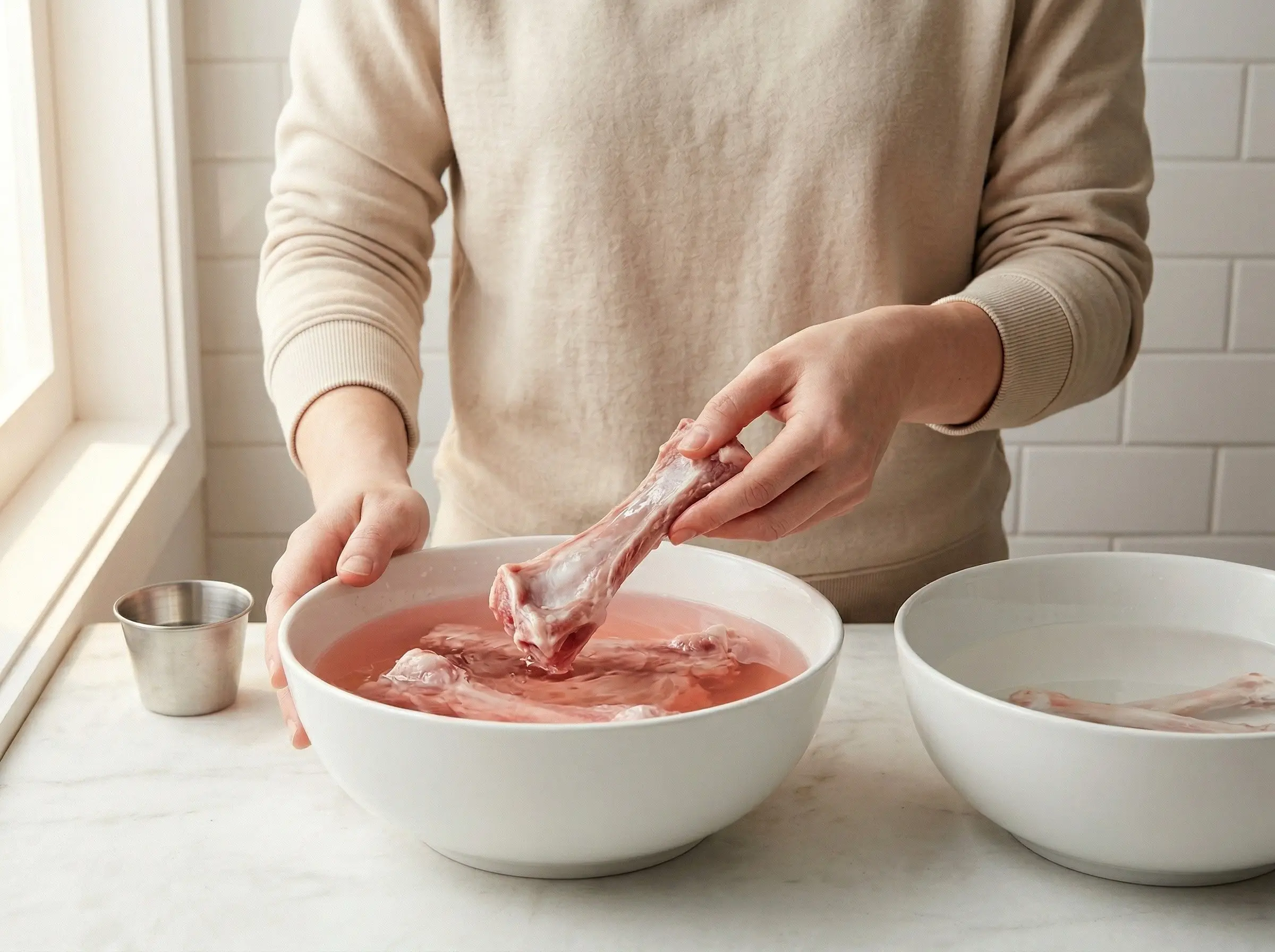
Soak and clean the pork bones. Place the pork neck bones or spine in a large bowl and cover with cold water. Soak for 1-2 hours, changing the water 2-3 times, to draw out blood and impurities. This step is essential for a clean-tasting broth. After soaking, drain the bones and rinse thoroughly under cold running water, scrubbing off any remaining blood or bone fragments.
Step 2
Blanch the bones. Place the cleaned bones in a large pot and cover with fresh cold water. Bring to a rolling boil over high heat. Boil vigorously for 10-15 minutes - the water will become cloudy and scummy. Drain the bones, discarding the water. Rinse each bone under running water, scrubbing away any remaining scum or impurities. This blanching step removes gamey flavors and ensures a clear, clean-tasting broth. Rinse the pot as well.
Step 3
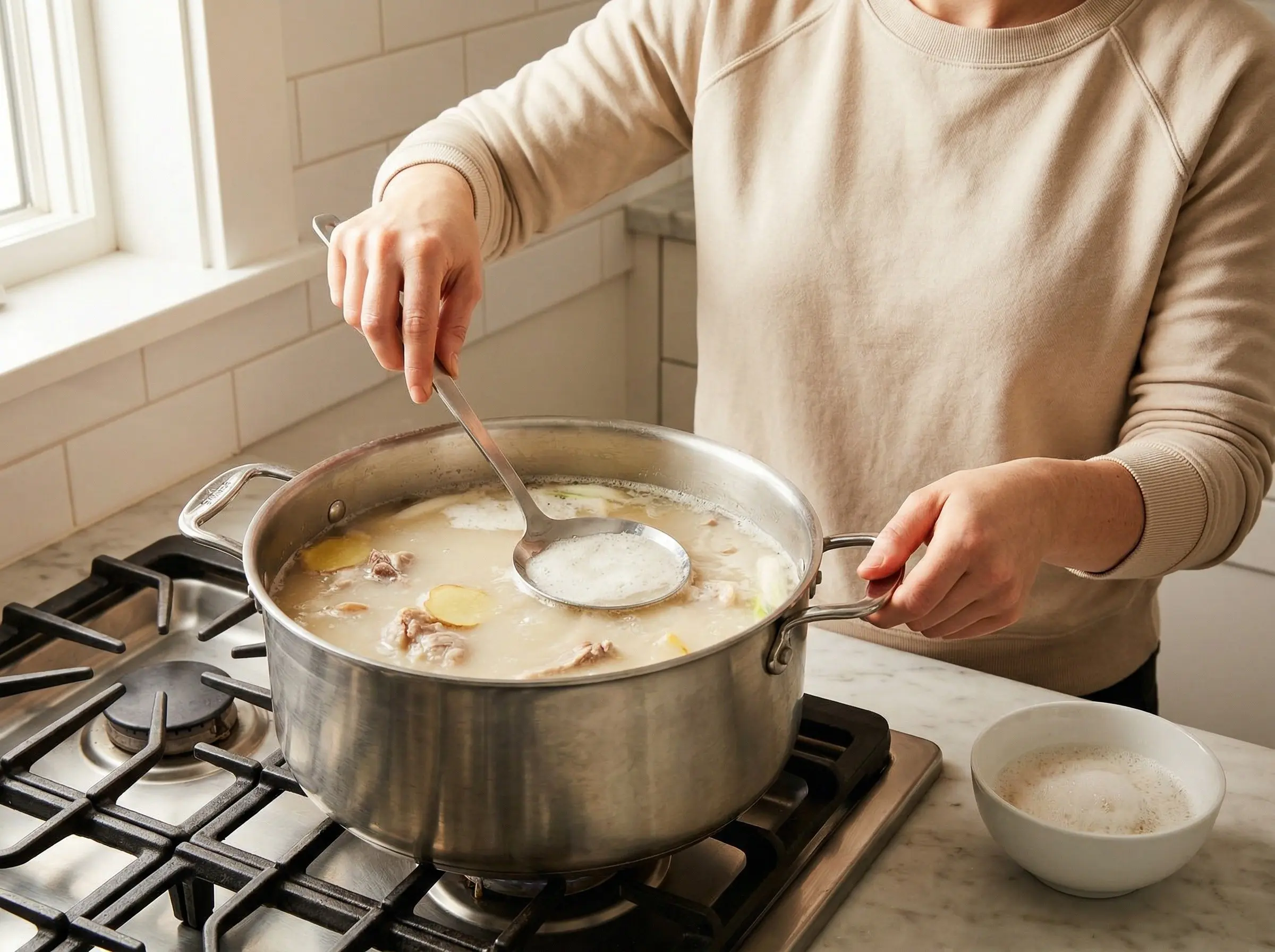
Simmer the bones to make the broth. Return the blanched bones to the clean pot. Add 12 cups of fresh water, the sliced ginger, and half the minced garlic. Bring to a boil, then reduce to a gentle simmer. Cover partially and cook for 1.5 to 2 hours until the meat is very tender and beginning to fall off the bones. The broth should become slightly milky from the rendered marrow. Skim any foam that rises during the first 30 minutes.
Step 4
Season the broth. In a small bowl, combine the gochugaru, doenjang, gochujang, soy sauce, remaining garlic, perilla seed powder, fish sauce, sugar, and black pepper. Mix well to form a paste. Add this seasoning paste to the simmering broth and stir to dissolve. The broth will turn a vibrant red. Taste and adjust - it should be spicy, savory, and deeply flavored. Simmer for another 15-20 minutes to allow the seasonings to meld.
Step 5
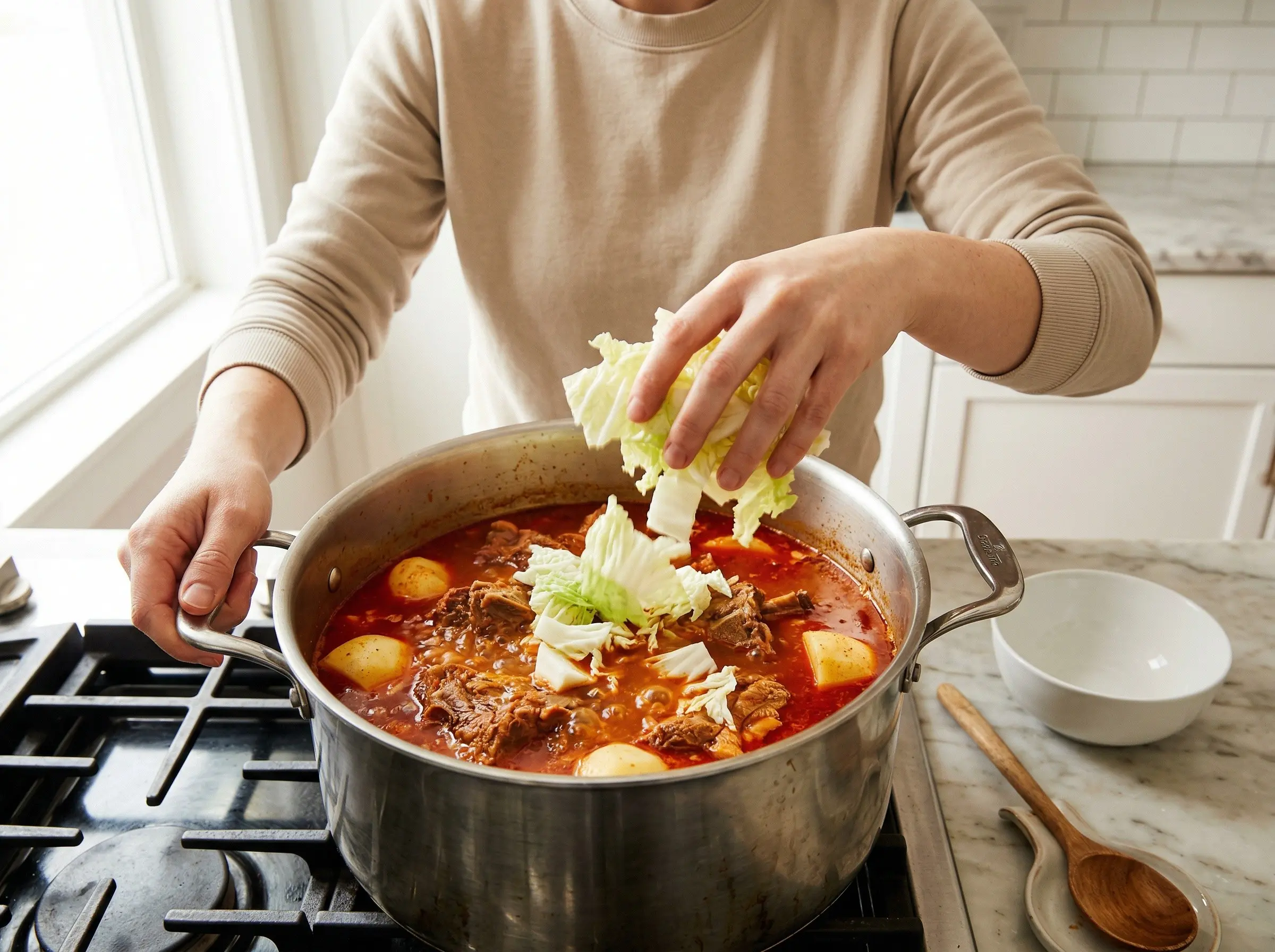
Add the vegetables. Add the quartered potatoes and onion to the pot. Simmer for 15 minutes until the potatoes are nearly tender. Add the napa cabbage chunks and cook for another 5-7 minutes until the cabbage is wilted and the potatoes are fully cooked. The potatoes should be tender but not falling apart - they will continue cooking in the hot broth.
Step 6
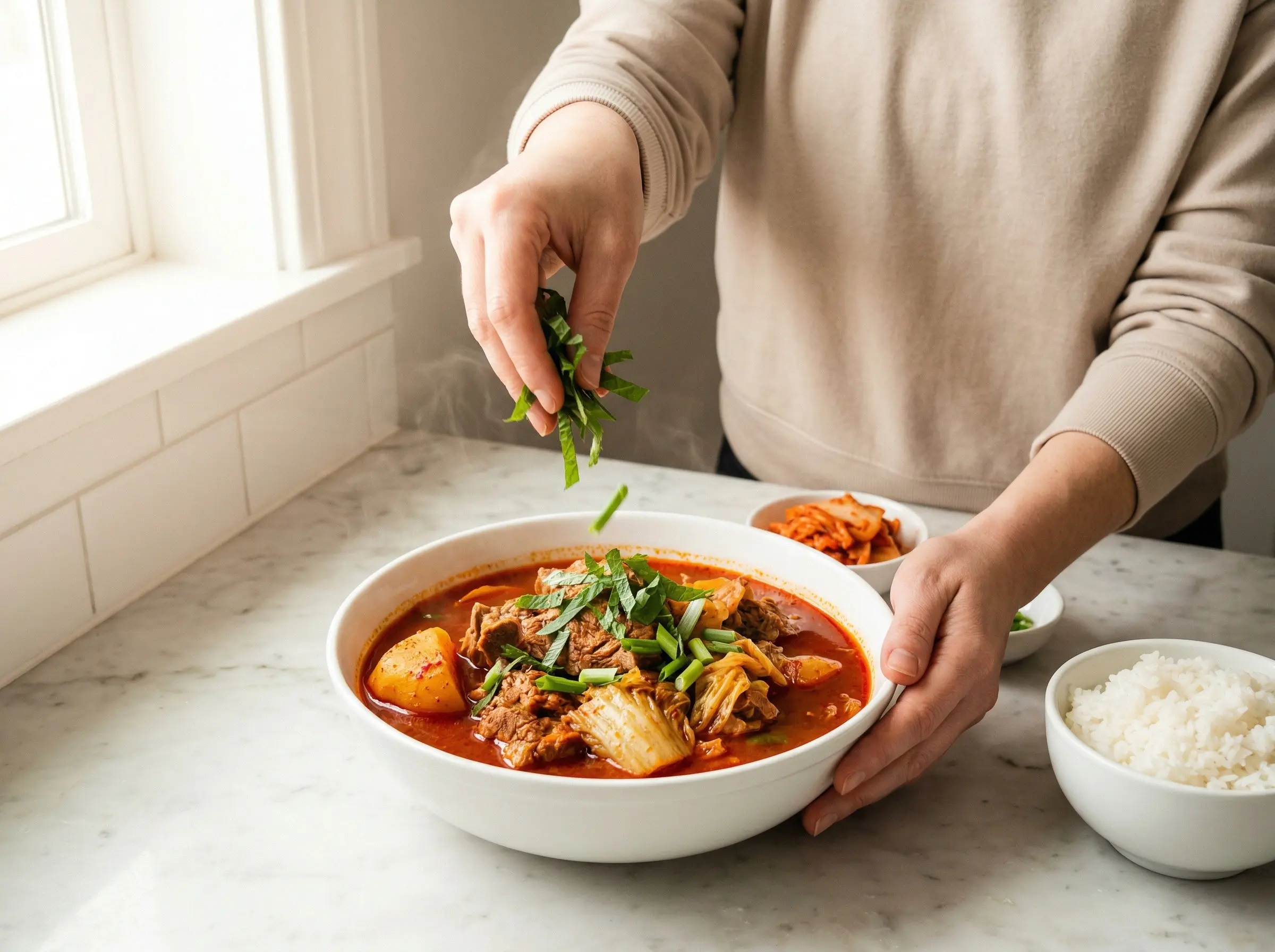
Finish and serve. Just before serving, add the green onion pieces and sliced perilla leaves if using. For an authentic touch, add crown daisy greens (ssukgat), which contribute a distinctive slightly bitter, herbaceous flavor. Transfer to a large stone pot (ttukbaegi) or heavy pot and bring to the table still bubbling. Serve immediately with steamed white rice and kimchi. The traditional way to eat gamjatang is to pick the tender meat from the bones with chopsticks, spoon broth over rice, and enjoy the potatoes and vegetables between bites of meat. Use a spoon to scrape out the rich marrow from inside the bones - this is considered the best part. Gamjatang is communal food, meant to be shared around the table on cold nights.
You Might Also Like
Master Your Kitchen with PantryAI
Love this recipe? Save it, shop for it, and cook it with ease. Download the PantryAI app to organize your pantry, track expirations, and discover recipes based on what you already have.

On a computer?Scan with your iPhone camera to download PantryAI.








Swipe to see more screenshots